


The Three Pillars of Protection
To cut through the noise, dermatologists recommend looking for three key things on any sunscreen label. First, an SPF of 30 or higher. Second, the words "broad spectrum." And third, "water resistant." These three features are the foundation of effective
sun protection. The American Academy of Dermatology (AAD) recommends this combination to guard against sunburn, reduce the risk of skin cancer, and prevent premature skin aging like wrinkles and sunspots. While other factors like formula and ingredients matter for personal preference, if your sunscreen has these three qualities, you're starting from a strong position.
Decoding SPF: Higher Isn't Always Better
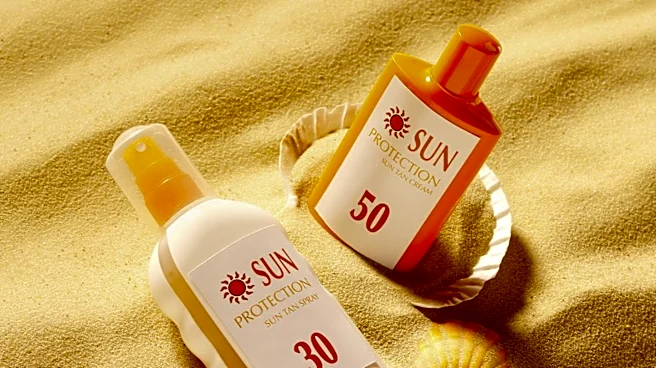
SPF, or Sun Protection Factor, measures how well a sunscreen protects you from UVB rays, the kind that cause sunburn. The AAD's baseline recommendation is SPF 30, which blocks about 97% of UVB rays. You might assume SPF 50 or 100 offers vastly superior protection, but the difference is smaller than you think. SPF 50 blocks about 98% of UVB rays, while SPF 100 blocks roughly 99%. That single percentage point often comes at a higher price. The most important factor isn't chasing the highest number, but applying enough sunscreen and reapplying it consistently. A higher SPF number does not mean you can stay in the sun longer without reapplication.
Go Broad: Why 'Broad-Spectrum' Is a Must
SPF only tells half the story. It measures protection against UVB (burning) rays, but it says nothing about UVA rays. UVA rays are the ones responsible for premature skin aging—think wrinkles and fine lines—and also contribute to skin cancer. They are present year-round and can even penetrate clouds and window glass. This is why the "broad-spectrum" label is non-negotiable. It certifies that the product has passed FDA testing to prove it protects against both UVA and UVB rays, giving you comprehensive coverage. If a sunscreen isn't labeled broad-spectrum, it likely only protects against sunburn, not the deeper skin damage that accelerates aging.
Chemical vs. Mineral: Choosing Your Shield
Sunscreens work in one of two ways: chemically or physically (mineral). Chemical sunscreens use active ingredients like avobenzone and octinoxate that absorb UV radiation and convert it into heat, which is then released from the skin. These formulas tend to be lightweight, transparent, and easy to apply. Mineral sunscreens use zinc oxide and/or titanium dioxide to create a physical barrier that sits on top of the skin, reflecting and scattering UV rays. Mineral formulas are often recommended for sensitive, acne-prone, or children's skin because they are less likely to cause irritation. However, they can sometimes be thicker and may leave a white cast, especially on deeper skin tones. The best choice often comes down to personal preference and skin type.
Finding the Right Formula for Your Skin
The best sunscreen is the one you'll wear every day, so finding a texture you like is key. If you have oily or acne-prone skin, look for lightweight gels or fluids labeled "oil-free" and "non-comedogenic" (meaning they won't clog pores). For those with dry skin, cream-based sunscreens with hydrating ingredients like hyaluronic acid or ceramides can provide moisture and protection. People with sensitive skin often do best with mineral-based, fragrance-free formulas to avoid irritation. And for deeper skin tones, cosmetically elegant chemical sunscreens or tinted mineral options can help avoid a white cast.
Water Resistance and Reapplication
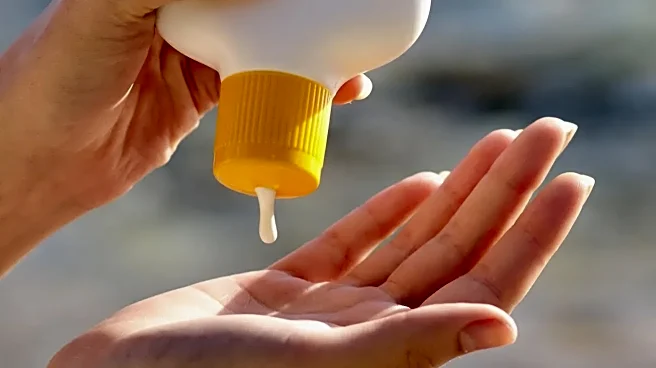
No sunscreen is truly "waterproof" or "sweatproof," which is why the FDA prohibits those terms. Instead, you'll see labels for "water resistant" (effective for 40 minutes in water) or "very water resistant" (effective for 80 minutes). This indicates how long the SPF level holds up while swimming or sweating. After that time, you must reapply. In fact, reapplication is crucial regardless of the situation. Sunscreen should be reapplied at least every two hours when outdoors, and more frequently after swimming, sweating, or towel drying. Most people don't apply enough sunscreen to begin with—the recommended amount is about one ounce (a full shot glass) to cover the body.