

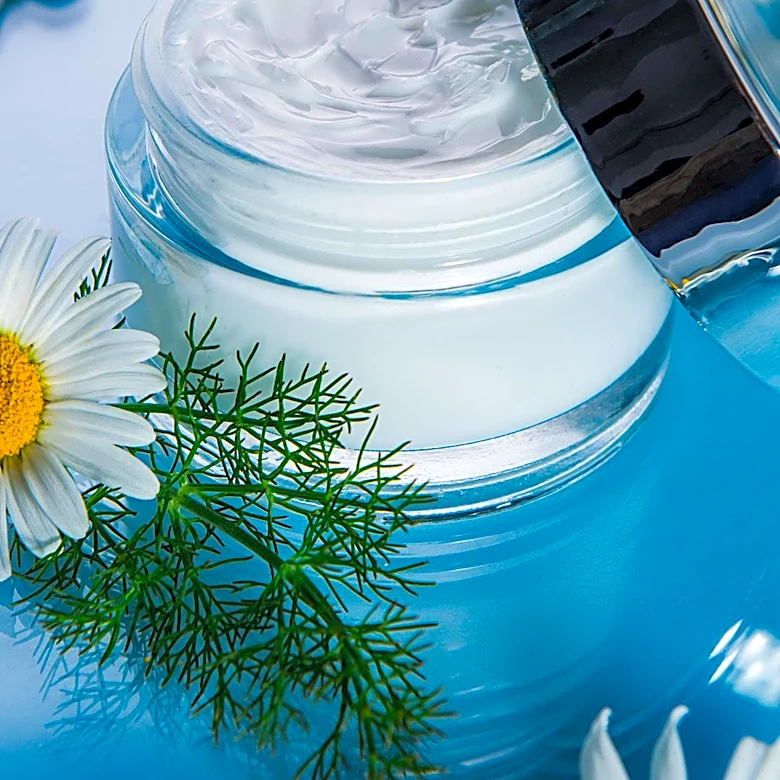







1. Master the Gentle Cleanse
The first step in any effective routine is proper cleansing. The goal is to remove dirt, oil, makeup, and pollutants without stripping your skin of its natural oils. Many experts recommend washing your face twice daily—once in the morning and once at night.
Using hot water can strip the skin, so opt for lukewarm water instead. Rather than aggressive scrubbing, use your fingertips to gently massage a cleanser suited for your skin type in circular motions for about 60 seconds. This ensures you're thoroughly cleaning the skin without causing irritation. For those with very dry or sensitive skin, cleansing just once in the evening might be sufficient.
2. Use Sunscreen Every Single Day
If dermatologists agree on one thing, it's the non-negotiable importance of daily sunscreen. Sun exposure is a primary cause of premature aging, including wrinkles and age spots, and significantly increases the risk of skin cancer. For daily use, choose a broad-spectrum sunscreen with an SPF of at least 30. Broad-spectrum protection is crucial because it shields you from both UVA rays (which cause aging) and UVB rays (which cause sunburn). This isn't just a habit for sunny summer days; up to 80% of the sun's UV rays can penetrate clouds, and they can also pass through windows, making year-round protection essential.
3. Moisturize to Lock in Hydration
Moisturizer is essential for every skin type, even oily skin. Its main job is to support your skin's natural barrier, which holds in moisture and protects you from environmental irritants. The best time to apply moisturizer is right after cleansing, while your skin is still slightly damp. This technique helps lock in the hydration from washing your face. Look for creams and ointments over lotions, as they are generally more effective at moisturizing. Consistent moisturizing not only prevents dryness and flaking but also helps your skin feel more comfortable and appear more radiant.
4. Treat Your Skin Gently
An aggressive approach to skincare often does more harm than good. Harsh scrubbing, using overly strong soaps, or picking at blemishes can damage the skin's protective barrier, leading to irritation, redness, and even accelerated aging. Treat your skin gently by avoiding products with high amounts of alcohol or fragrance if you have sensitive or dry skin. When drying your face, pat it with a soft towel instead of rubbing. The same gentle principle applies to exfoliation; while removing dead skin cells is beneficial, over-exfoliating can cause damage. For most people, a gentle exfoliation once a week is plenty.
5. Support Your Skin From the Inside
What you put into your body plays a significant role in your skin's health. Habits like getting enough sleep, managing stress, and eating a balanced diet can have a noticeable impact. During sleep, your body repairs itself, and this includes producing new collagen and increasing blood flow to the skin. Experts recommend aiming for seven to nine hours of sleep per night. Staying hydrated by drinking plenty of water helps maintain skin elasticity. Furthermore, a diet rich in fruits, vegetables, lean proteins, and healthy fats provides the building blocks for healthy skin, while limiting processed foods and added sugar may help calm inflammation.