






The Birth of an Icon
Our story begins in 2003, in a secure research lab at Starbucks headquarters nicknamed the "Liquid Lab." Following the success of winter drinks like the Peppermint Mocha, a team was tasked with creating a signature beverage for the fall. The group famously
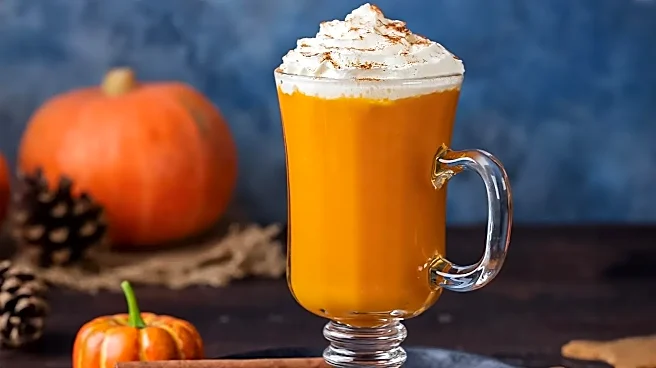
sampled bites of pumpkin pie followed by sips of espresso to pinpoint the perfect flavor combination. After three months of development, a drink featuring a sauce of cinnamon, clove, and nutmeg was born. It was tested in about 100 stores, and the positive reaction was immediate. By the fall of 2004, the Pumpkin Spice Latte—or PSL—rolled out nationwide, and a seasonal tradition was officially underway.
What's Actually in 'Pumpkin Spice'?
For years, a common critique of the famous latte was that it didn't contain any actual pumpkin. And for a long time, that was true. The name refers to the blend of spices traditionally used to flavor pumpkin pie, not the gourd itself. This mix generally includes cinnamon, nutmeg, ginger, cloves, and sometimes allspice. These spices have a history stretching back thousands of years, traveling ancient trade routes from places like Indonesia and Sri Lanka. In the 1930s, spice companies like McCormick began selling a pre-mixed "pumpkin pie spice," making the flavor accessible to home bakers. In 2015, following consumer feedback, Starbucks did add real pumpkin puree to its recipe, though the soul of the flavor remains that iconic spice blend.
A Flavor That Became a Feeling
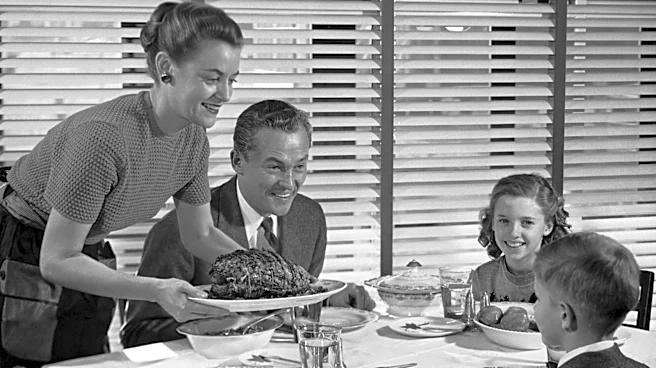
The PSL didn’t just sell a drink; it sold a feeling. The annual return of pumpkin spice has become synonymous with the cozy, nostalgic ideal of autumn in America. It evokes images of falling leaves, warm sweaters, and holiday gatherings. This powerful association is a major reason for its enduring popularity. It represents a seasonal ritual, a comforting and predictable part of the year that people anticipate. Of course, its omnipresence has also made it a target of lighthearted satire, with jokes about its "basic" appeal becoming as much a part of the season as the flavor itself.
The Pumpkin Spice Empire of 2026
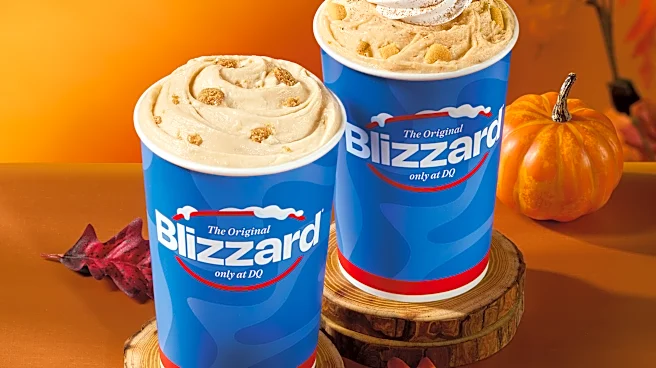
The success of the latte sparked an explosion of pumpkin spice products that goes far beyond the coffee shop. The trend has expanded to include everything from breakfast cereals, creamers, and yogurts to savory and sometimes bizarre items. In previous years, the world has seen everything from Pumpkin Spice Spam to pumpkin-flavored mac and cheese. The 2026 season continues the tradition with a host of new and returning favorites. Dunkin' is back with its signature latte and donuts, alongside a new Pumpkin Pie Coffee Chiller. Dave's Killer Bread has brought back its Pumpkin Spice Madness Bagels for the first time in seven years. Meanwhile, Starbucks has expanded its own lineup with new creations like an Iced Pumpkin Cream Shaken Espresso and a Pumpkin Cream Matcha, ensuring there's a pumpkin spice option for nearly every taste.
Beyond the Original
While the classic combination remains king, the flavor continues to evolve. Brands are experimenting with new twists, creating what some call "newstalgia"—a blend of the familiar and the novel. For 2026, you might see pairings like pumpkin vanilla chai, salted maple pumpkin, or even pumpkin horchata. There's also a growing trend toward using more natural ingredients, as consumers become more interested in what's in their food and drinks. Companies are highlighting the use of real pumpkin and steering clear of artificial additives to appeal to a more health-conscious audience, proving that even a flavor steeped in nostalgia can adapt and find new ways to stay relevant.