





The Break That Made a Name
The year is 1978, not 1987 as is often misreported, and the setting is the US Open. Tennis champion Chris Evert is in the middle of a heated match when she feels something snap. Her delicate diamond bracelet flies off her wrist. In a move that would become
legendary, Evert asks the officials to pause the game until her precious jewelry can be found. The televised search for the glittering accessory captivated audiences, and in that moment of unexpected drama, a jewelry icon was rebranded. Before then, it was known as a diamond line or eternity bracelet. After that day, jewelers were flooded with requests for that “tennis bracelet,” and the name stuck forever.
A Design Decades in the Making
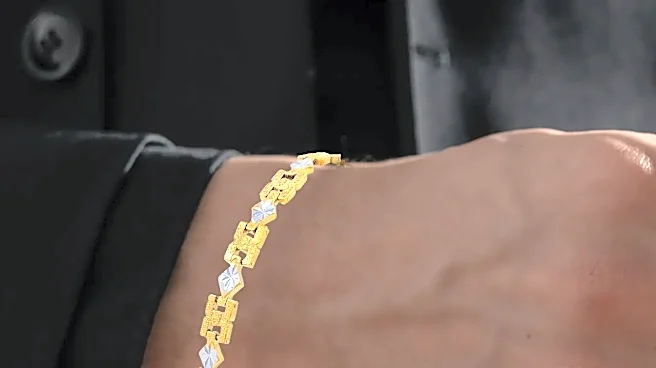
While Chris Evert gave the bracelet its famous moniker, its design origins stretch back much further. The style first gained popularity in the 1920s during the Art Deco era. Known then as a “line bracelet,” its clean, symmetrical row of stones was the perfect complement to the glamorous, streamlined fashions of the time. Crafted from platinum and diamonds, these bracelets were seen as the height of evening sophistication. They were originally designed for grand occasions, a world away from the sweat and endurance of a professional tennis court. The genius of the design, however, lay in its flexibility and simple, unbroken line—qualities that would later make it perfect for an active, modern lifestyle.
The Rules of Everyday Luxury
Evert’s impromptu marketing moment did more than just rename a bracelet; it changed how women thought about wearing fine jewelry. By wearing diamonds during a professional sporting event, she shattered the old rule that precious gems were only for formal evening affairs. Suddenly, here was proof that luxury could be part of everyday life. The tennis bracelet became a symbol of this new, accessible elegance. Its design is the key to its versatility; it’s substantial enough to make a statement but subtle enough not to overpower an outfit. It looks just as right with a cocktail dress as it does with jeans and a t-shirt, whispering luxury rather than shouting it.
An Enduring Symbol of Style
Today, the tennis bracelet remains a foundational piece in any jewelry collection. Its appeal has only broadened, seen on the wrists of everyone from Meghan Markle and Zendaya to male style icons like Timothée Chalamet. The 2024 tennis-themed movie “Challengers” even sparked a new surge in the bracelet’s popularity. Its original symbolism as an “eternity bracelet,” representing an unbroken circle of love, still resonates. But its modern identity is one of grace under pressure and effortless confidence—a piece of jewelry that moves with you, catching the light without demanding the spotlight. It represents a quiet, personal luxury that feels just as relevant today as it did on that New York tennis court decades ago.