




What's Happening?
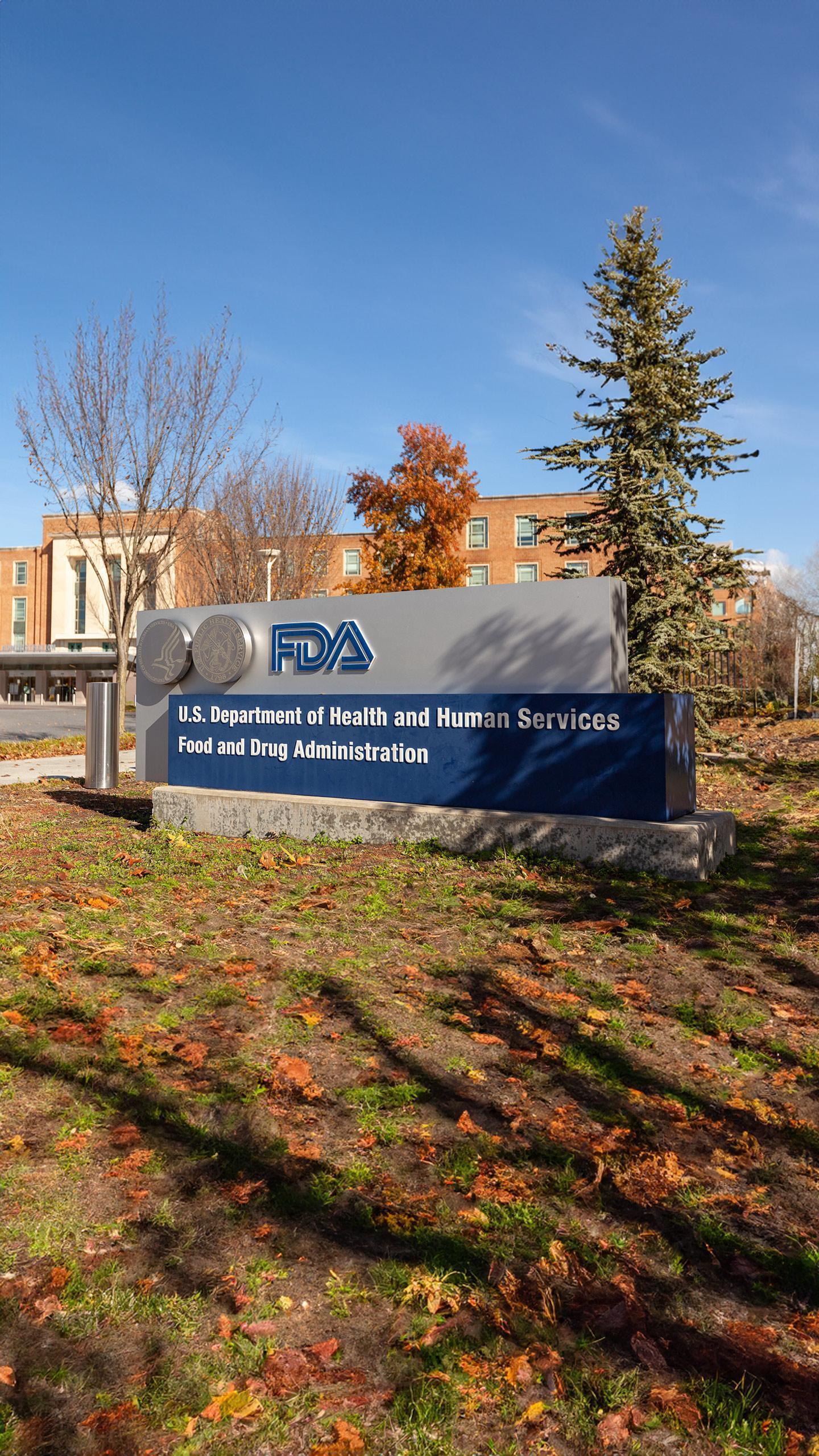
The FDA is facing a busy November with at least 11 target action dates for various new therapies. Among the most anticipated decisions are those for Summit Therapeutics and Akeso's bispecific antibody
ivonescimab, Capricor Therapeutics' Duchenne muscular dystrophy cell therapy, and Vertex Pharmaceuticals' IgA nephropathy (IgAN) therapy povetacicept. By November 14, the FDA is expected to rule on ivonescimab for EGFR-mutated non-small cell lung cancer (NSCLC), which could introduce the first PD-1xVEGF bispecific antibody to the U.S. market. Capricor's deramiocel, a cell therapy for Duchenne muscular dystrophy, has a decision date of November 22, following a three-month delay and a contentious advisory committee meeting. Vertex's povetacicept for IgAN is awaiting a decision by November 30, with strong Phase 3 data supporting its application.
Why It's Important?
These upcoming FDA decisions are critical for patients suffering from severe and often life-threatening conditions, including specific types of lung cancer, Duchenne muscular dystrophy, and IgA nephropathy. An approval for ivonescimab could revolutionize NSCLC treatment by offering a novel bispecific antibody approach. For Duchenne muscular dystrophy, deramiocel could provide a much-needed disease-modifying therapy, despite its challenging regulatory journey. Vertex's povetacicept has the potential to establish the company's presence in the renal disease space, offering a new treatment for IgAN. These approvals could significantly expand therapeutic options, improve patient outcomes, and drive innovation in their respective fields.
What's Next?
The FDA's decisions in November will determine the market entry of these therapies. For ivonescimab, an approval would mark its U.S. debut, building on its existing approval in China for various NSCLC indications. The outcome for deramiocel will be closely watched, as it has faced significant regulatory hurdles, including manufacturing issues and debates over statistical analysis. If approved, it would be a major victory for Capricor and Duchenne patients. Vertex's povetacicept, if approved, would enter a competitive IgAN market but is expected to benefit from ongoing awareness efforts by other manufacturers. The broader implications of these decisions will extend to the companies' stock performance, future R&D investments, and the overall landscape of specialized medicine.
Beyond the Headlines
The FDA's rigorous review process, particularly evident in the case of Capricor's deramiocel, highlights the complexities and high standards required for drug approval, especially for novel therapies. The debate over statistical significance and the need for robust clinical data underscore the scientific challenges in bringing innovative treatments to market. The emergence of bispecific antibodies like ivonescimab signifies a new era in targeted cancer therapy, moving beyond traditional monoclonal antibodies. Furthermore, the entry of multiple new drugs into the IgAN space, including povetacicept, indicates a growing understanding and therapeutic focus on rare diseases, which can lead to significant advancements for underserved patient populations.