



What's Happening?
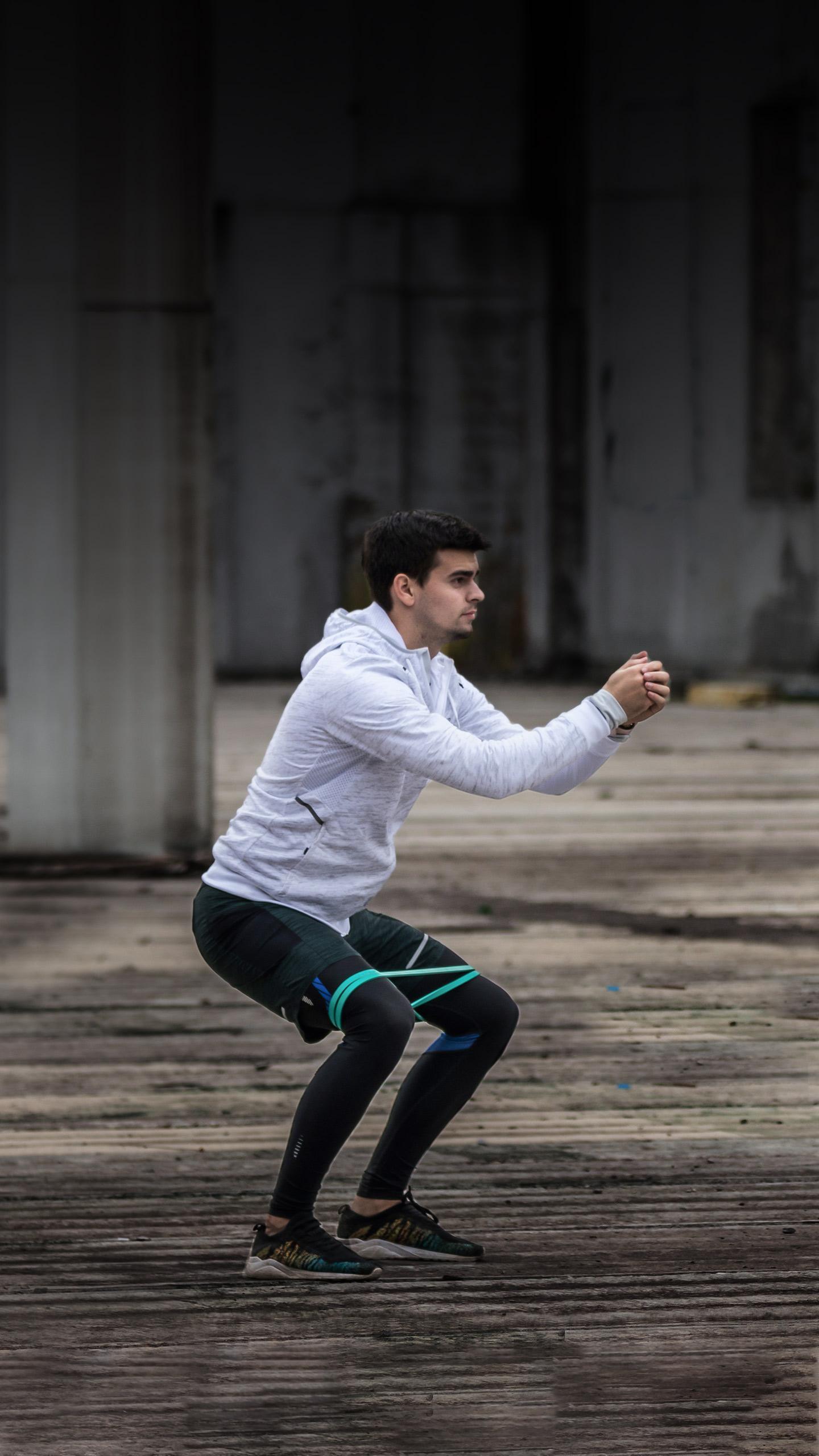
Adding resistance, such as through weighted vests, to bodyweight exercises can significantly enhance muscle growth and overall workout effectiveness. This approach addresses the limitation of bodyweight training,
where progressive overload—the need for greater effort to stimulate muscle growth—can quickly reach its limit. While increasing repetitions, slowing down movements, or changing form can make bodyweight workouts harder, these methods eventually lead to exercises feeling more like cardio than strength training. Weighted vests, by adding five or ten kilograms, immediately re-challenge muscles in familiar movements like squats, lunges, or pull-ups, making each repetition more impactful. This method allows for shorter, more intense workouts and can also contribute to bone adaptation, though its effect on bone density in older adults undergoing weight loss has shown mixed results.
Why It's Important?
This development is important for individuals engaged in bodyweight training, as it provides a clear pathway to continue making progress once their current routines become too easy. It offers a practical solution for achieving progressive overload without needing access to a full gym or complex equipment. By making bodyweight exercises more challenging, it can lead to greater strength gains and muscle mass development, which are crucial for overall physical health and functional fitness. The ability to intensify workouts at home or with minimal equipment also makes fitness more accessible and sustainable for many, potentially reducing barriers to consistent exercise and promoting long-term physical well-being.
What's Next?
Individuals looking to incorporate resistance into their bodyweight routines are advised to start with a weight equivalent to 5 to 10% of their body weight. The recommendation is to add 1 or 2 kilograms every two weeks, rather than after every workout, to ensure gradual progression. It's crucial to monitor form and avoid localized joint pain, which are signs of excessive load. If a plateau is reached or fatigue becomes persistent, reducing the weight for a week or two is suggested as a mechanism for sustainable progress. When choosing a weighted vest, adjustability, even weight distribution, and a secure fit that doesn't restrict movement are key considerations.
Beyond the Headlines
The discussion around adding resistance to bodyweight training highlights a deeper principle in exercise science: progressive overload. This concept is fundamental to muscle adaptation and growth, and its application through weighted vests democratizes access to advanced training techniques. It also touches upon the mechanostat theory, which explains how bones adapt to mechanical stress, suggesting potential benefits for bone health, although research indicates that the manner of use (dynamic vs. static stress) is critical. This nuanced understanding encourages a more informed approach to fitness, where individuals can optimize their workouts based on scientific principles, moving beyond simply 'working out harder' to 'working out smarter' for specific physiological adaptations.