




What's Happening?
At 93 years old, actress, singer, and writer Dame Sheila Hancock is actively engaged in strength training, describing herself as 'addicted' to the gym. Despite facing health challenges like cancer and rheumatoid
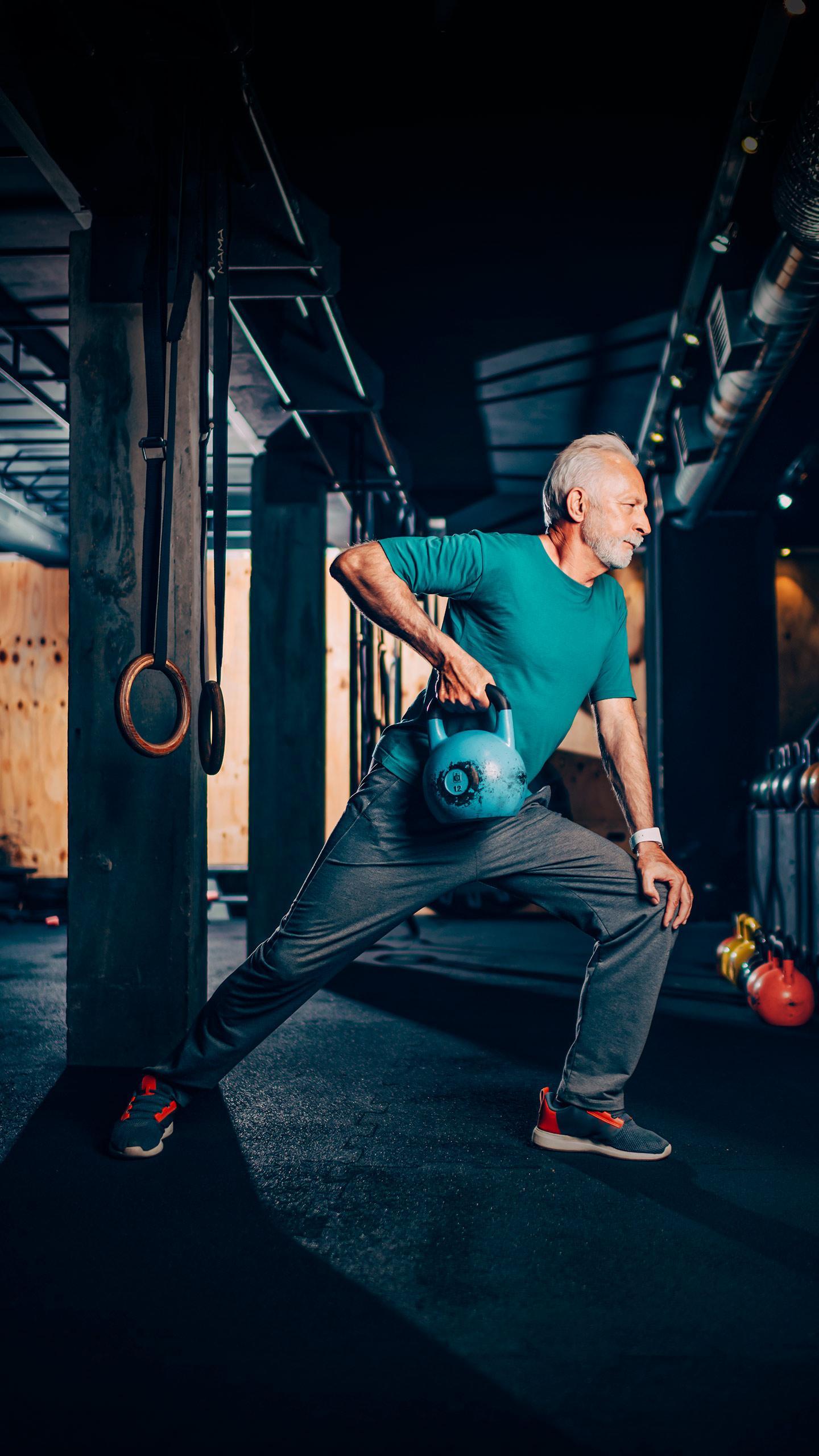
arthritis, Hancock emphasizes the importance of continuous physical activity, stating that bodies weaken if not used. She began weightlifting in her 80s, a practice she credits with helping to reverse muscle decline. Her routine includes exercises such as wall sits, lunges, and bodyweight squats. Hancock's commitment to fitness is driven by a belief that older individuals should be encouraged to remain active, and she has previously shared that her biological age was reported to be 20 years younger than her chronological age.
Why It's Important?
Sheila Hancock's dedication to strength training at 93 highlights the significant benefits of physical activity for older adults, particularly in maintaining independence and cognitive health. Research suggests a strong correlation between lower-body strength and reduced risk of dementia, improved blood flow to the brain, and enhanced nervous system function. Her story challenges common misconceptions about aging and physical limitations, advocating for continued activity to combat age-related decline. This approach can inspire a broader societal shift towards promoting active lifestyles among seniors, potentially reducing healthcare burdens associated with age-related mobility issues and cognitive decline. The emphasis on accessible exercises like bodyweight squats and wall sits also demonstrates that effective strength training doesn't always require specialized equipment, making it a viable option for many.
What's Next?
Hancock's continued advocacy for active aging may encourage more discussions and initiatives around senior fitness programs. Her personal trainer's role in introducing her to weightlifting suggests a growing trend in personalized fitness for older demographics. Future developments could include increased availability of tailored exercise programs in community centers and gyms, focusing on strength and mobility for seniors. There might also be a greater emphasis on integrating simple, at-home exercises into daily routines for those who cannot access gym facilities. Her public statements could also influence public health campaigns to promote the long-term benefits of strength training, potentially leading to policy changes that support active lifestyles for the elderly.
Beyond the Headlines
Beyond the immediate health benefits, Sheila Hancock's story touches upon the cultural perception of aging and the potential for individuals to redefine their later years. Her active lifestyle challenges the stereotype of passivity in old age, promoting a narrative of vitality and continuous self-improvement. This could lead to a broader re-evaluation of how society views and supports its elderly population, moving towards models that prioritize engagement and physical well-being. Ethically, it underscores the importance of providing resources and encouragement for all age groups to maintain physical health, recognizing its impact on overall quality of life and mental well-being. Her experience also highlights the psychological benefits of exercise, such as increased self-efficacy and a sense of accomplishment, which are crucial for mental health at any age.