
What's Happening?
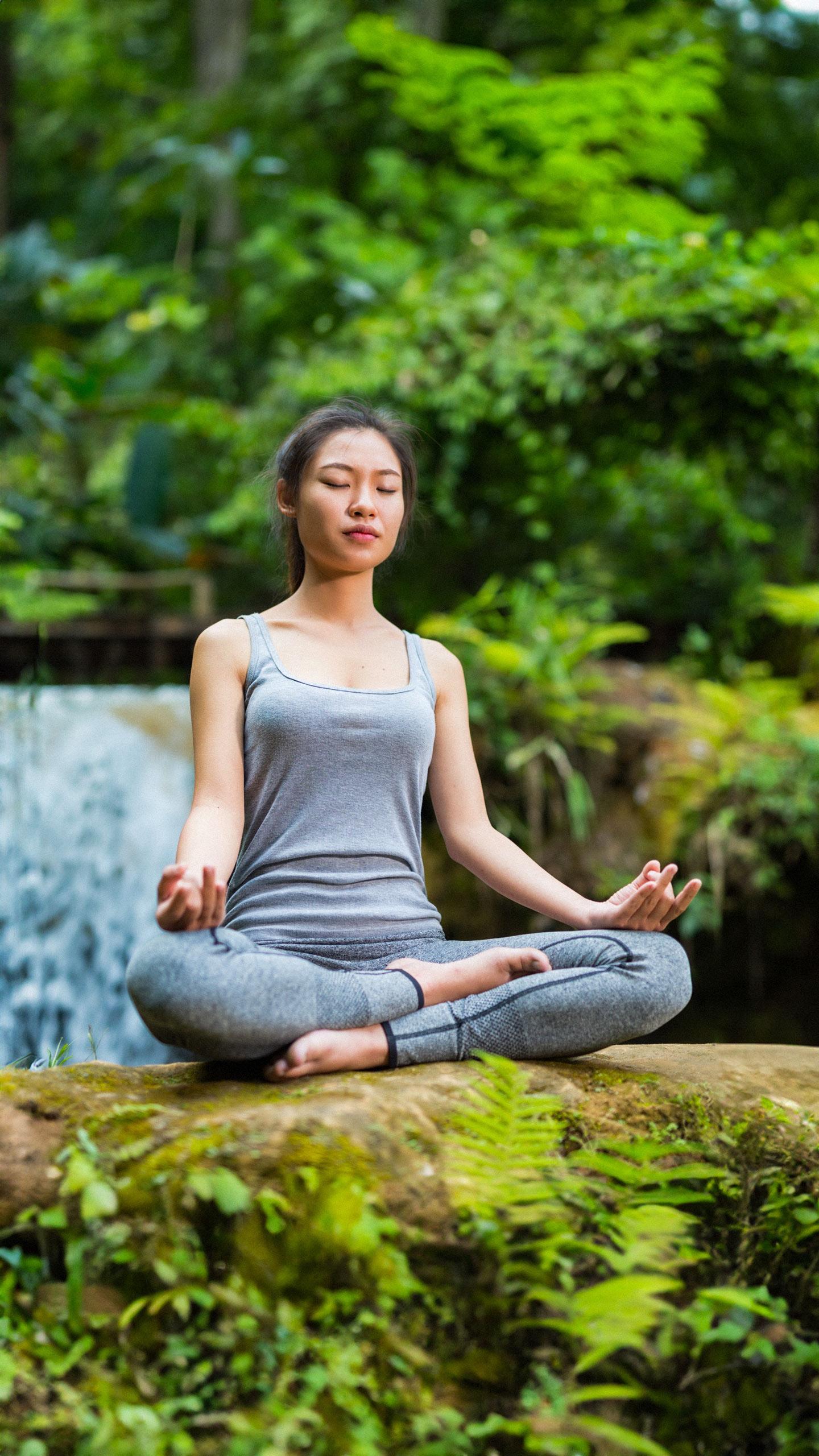
Forest bathing, known as Shinrin-yoku in Japan, is emerging as a guided, sensory-led practice aimed at improving well-being through immersion in natural environments. Unlike a brisk nature walk, this practice emphasizes
slowing down and engaging all five senses with the surroundings. Practitioners guide participants to notice textures like bark and moss, listen to natural soundscapes, and experience the scents of conifers and damp earth. Research suggests that forest-based experiences can lead to lower cortisol levels and a steadier pulse compared to urban walks. The practice is adaptable to various settings, including urban parks and school grounds, and can even be modified for indoor environments using plants and natural elements. The core idea is to create a container for participants to connect with nature, fostering a sense of calm and presence.
Why It's Important?
The growing interest in forest bathing highlights a broader societal need for stress reduction and mental well-being, particularly in fast-paced urban environments. As individuals increasingly face attention strain from digital devices and demanding routines, practices like Shinrin-yoku offer an accessible method to disengage and reconnect with the natural world. The reported benefits, such as reduced anxiety, improved mood, and physiological changes like lowered blood pressure, could have significant implications for public health and corporate wellness programs. Companies and HR teams might consider integrating forest bathing into employee wellness initiatives to combat burnout and enhance productivity. Furthermore, the adaptability of the practice means it can be implemented in diverse settings, making it a viable option for a wide range of demographics, including students and urban dwellers, who may not have easy access to extensive natural landscapes.
What's Next?
The continued integration of forest bathing into mainstream wellness programs is a likely next step. As more research emerges to substantiate its benefits, we can expect to see increased adoption by healthcare providers, corporate wellness departments, and educational institutions. Training programs for forest bathing guides may also expand to meet growing demand, ensuring standardized and effective practices. There is potential for urban planners and landscape architects to incorporate principles of forest bathing into city design, creating more accessible green spaces that facilitate sensory engagement with nature. Additionally, the development of structured series, such as four-week programs, could help individuals integrate the practice more deeply into their routines, fostering long-term well-being and a sustained connection with the environment.
Beyond the Headlines
Beyond its immediate health benefits, forest bathing touches upon deeper ethical and cultural dimensions. It encourages a respectful relationship with the land and acknowledges the long-held understanding across many cultures that spending time among trees can profoundly change people. This practice challenges the modern tendency to view nature merely as a resource or a backdrop, instead promoting it as an active participant in human well-being. It also raises questions about environmental stewardship and the importance of preserving natural spaces for their intrinsic value and their role in human health. The emphasis on sensory presence and slowing down offers a counter-narrative to the constant demand for speed and productivity, potentially fostering a cultural shift towards more mindful living and a greater appreciation for the subtle rhythms of the natural world.