


What's Happening?
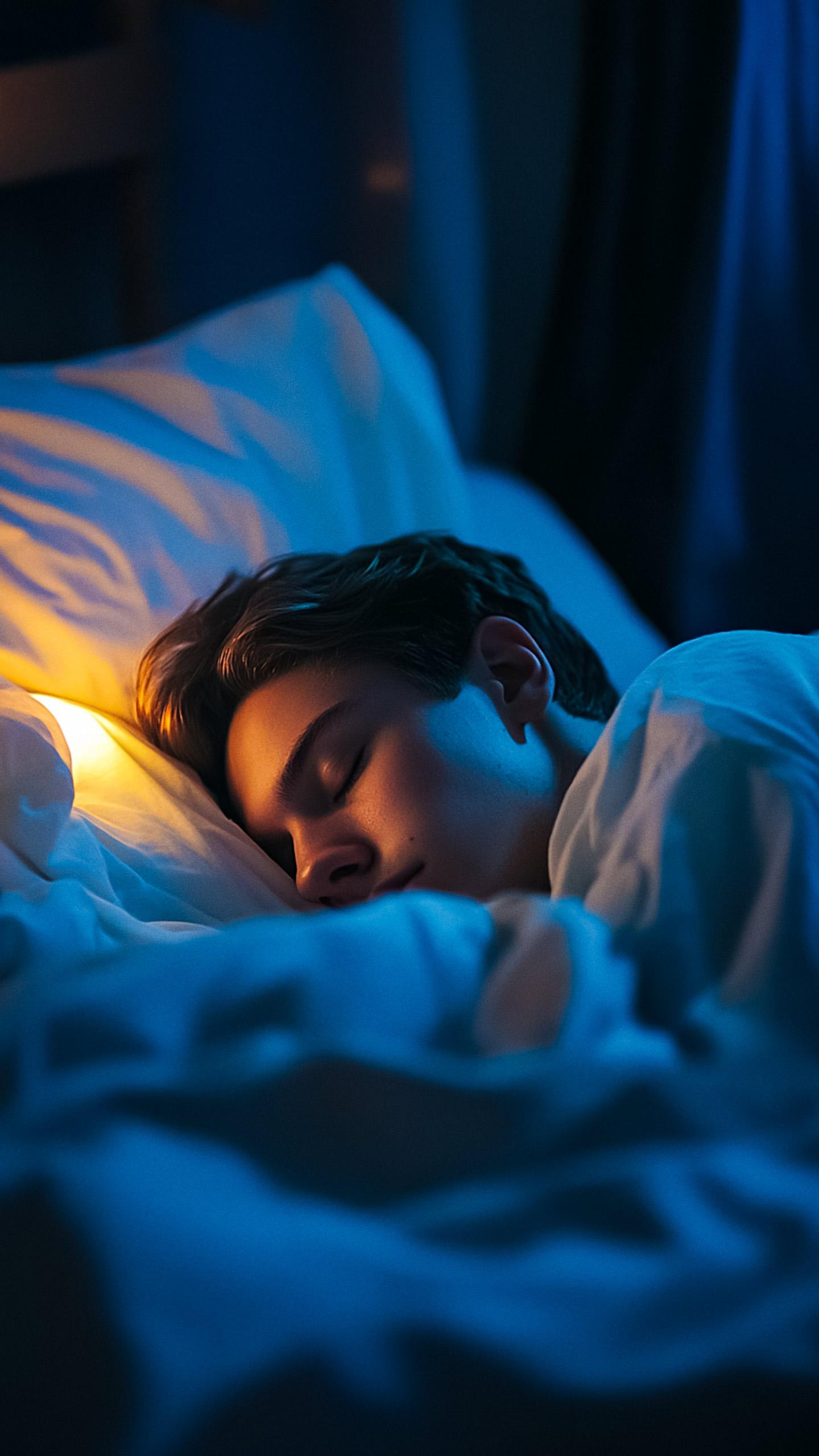
A new wellness trend called 'sleepmaxxing' has gained significant traction on social media platforms like TikTok and Instagram. This phenomenon involves individuals adopting a variety of lifestyle habits,
products, gadgets, and bedtime rituals to optimize sleep quality and duration. Practices range from maintaining consistent sleep schedules, limiting caffeine, and reducing screen exposure to experimenting with weighted blankets, white noise machines, mouth tape, melatonin supplements, and specific bedtime snacks. Technology also plays a role, with numerous apps and smartwatches offering sleep tracking, habit reminders, and personalized recommendations. While some practices, such as consistent sleep schedules and reducing evening light exposure, have scientific backing, the overall concept of sleepmaxxing as a comprehensive method lacks scientific establishment. Many viral practices, like mouth taping, have limited evidence and may pose risks, particularly for individuals with conditions like obstructive sleep apnea.
Why It's Important?
The rise of sleepmaxxing highlights a growing public awareness of sleep's critical influence on physical and mental health, prompting individuals to seek ways to improve their rest. This trend impacts the wellness industry, driving demand for sleep-related products, apps, and supplements. However, the lack of scientific validation for many sleepmaxxing practices poses potential risks to public health. Uncritically adopting viral hacks without professional guidance can lead to ineffective strategies or even harm, as seen with mouth taping for individuals with breathing difficulties. Furthermore, an excessive focus on achieving perfect sleep scores through tracking technology can lead to 'orthosomnia,' an unhealthy fixation on optimizing sleep that paradoxically creates anxiety, undermining the very goal of restorative rest. This trend underscores the need for critical evaluation of health information disseminated on social media and the importance of consulting healthcare professionals for persistent sleep issues.
What's Next?
As sleepmaxxing continues to evolve on social media, there will likely be increased scrutiny from medical professionals and health organizations regarding the scientific validity and safety of its various practices. Consumers may become more discerning, seeking evidence-based approaches rather than viral trends. The market for sleep-related products and technologies will likely continue to grow, but successful offerings may need to demonstrate stronger scientific backing and clinical efficacy. There could also be a push for greater regulation or clearer guidelines for health claims made on social media platforms. Individuals struggling with sleep will increasingly need to differentiate between beneficial lifestyle adjustments and unproven or potentially harmful 'hacks,' emphasizing the role of healthcare providers in guiding sleep health strategies. The long-term impact will depend on how effectively scientific understanding can counter misinformation and guide public perception of optimal sleep practices.
Beyond the Headlines
The sleepmaxxing phenomenon reflects a broader societal trend of 'optimization' in various aspects of life, driven by social media and the pursuit of peak performance. It taps into anxieties about productivity and well-being in a fast-paced world, where sleep is often viewed as a resource to be maximized. This trend also highlights the double-edged sword of technology in health: while sleep tracking can raise awareness, an over-reliance on metrics and scores can transform a natural biological process into another performance indicator, leading to stress and anxiety. Culturally, it signifies a shift from viewing sleep as a passive necessity to an active project requiring elaborate routines and technological aids. This commodification of sleep, driven by a desire for control and improvement, raises questions about our relationship with natural bodily functions and the influence of digital culture on personal health practices. It underscores the importance of balance and a holistic approach to well-being, rather than chasing perfection through fragmented, unverified methods.