


What's Happening?
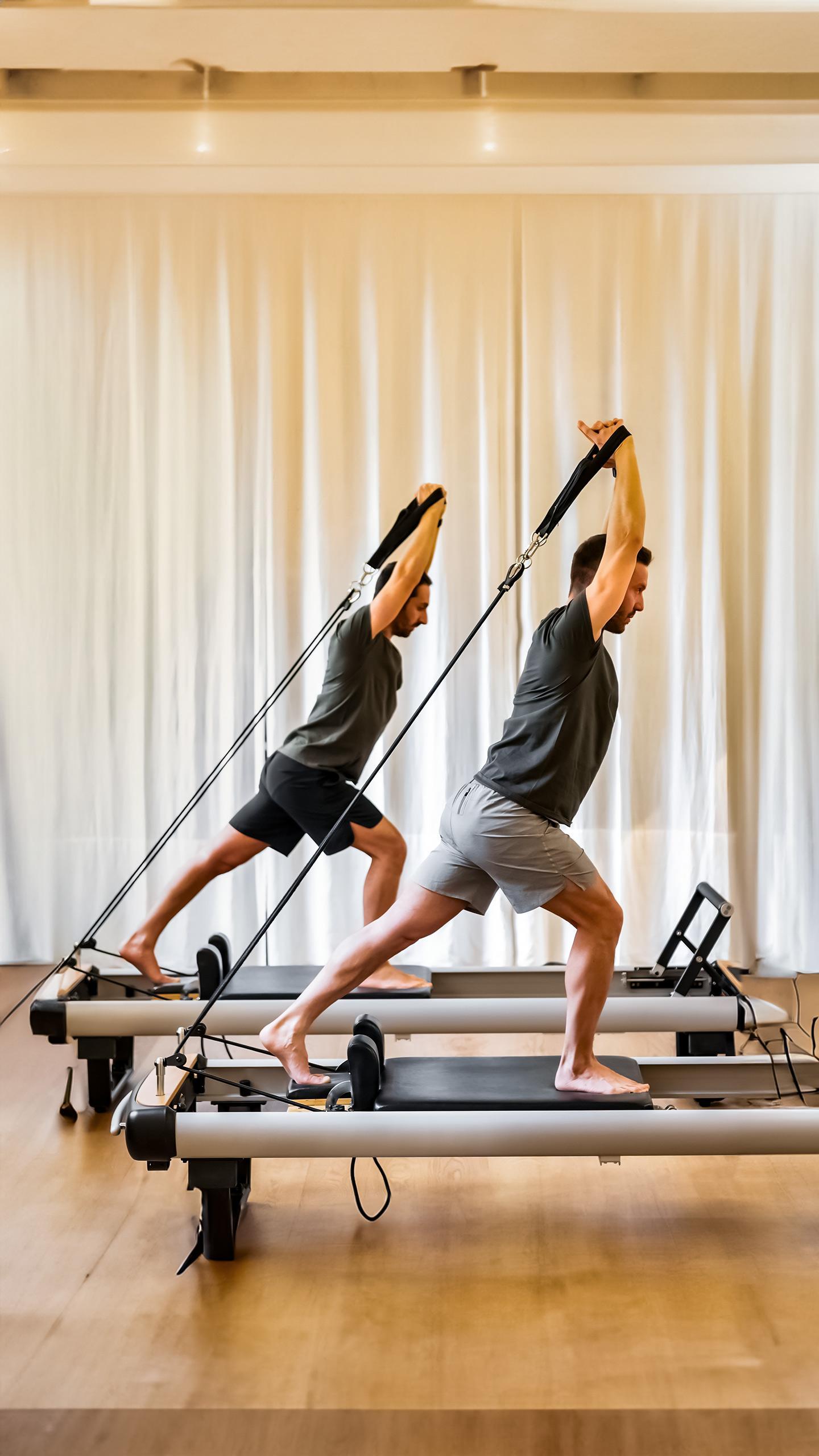
Life Time, identified as the largest provider of traditional Pilates and private Pilates sessions in the U.S., has observed a substantial surge in male participation in its Pilates programs. Over the past
five years, the number of unique male participants has more than doubled, with men now constituting approximately 25% of those engaging in private Pilates sessions. This trend is occurring across Life Time's more than 180 locations that offer Pilates programming. The company, which is celebrating 20 years of Pilates in 2026, notes that while women continue to drive significant growth in the practice, men are increasingly embracing Pilates for its benefits in strength, mobility, recovery, and longevity. Theresa Barone, the Director of Pilates at Life Time, highlights that male members report improvements in daily life and specific sports like golf, tennis, and running, including reduced pain from injuries and increased mobility.
Why It's Important?
This shift in demographics for Pilates participation at Life Time reflects a broader change in fitness trends within the U.S., indicating a growing recognition among men of the benefits of low-impact, high-results strength training. Historically, Pilates has been perceived as a female-dominated activity, but its increasing adoption by men, including professional athletes and active older adults, underscores a move towards more holistic and sustainable fitness approaches. The emphasis on strength, longevity, and mental well-being, which are key benefits of Pilates, aligns with top consumer wellness priorities identified in Life Time's annual Wellness Survey. This trend could lead to increased investment in Pilates facilities and instructor training across the fitness industry, potentially expanding the market for Pilates equipment and related services. For individuals, it signifies a growing acceptance of diverse fitness modalities for injury prevention, performance enhancement, and long-term health.
What's Next?
As male participation in Pilates continues to grow, Life Time and other fitness providers may further tailor their offerings to cater to this expanding demographic. This could involve developing more male-focused Pilates classes, marketing campaigns that highlight the benefits for men, and integrating Pilates more explicitly into athletic training programs. The company's existing portfolio, which includes traditional Pilates and its high-energy, Pilates-inspired athletic reformer workout called CTR (Core. Tone. Reform.), positions it to meet diverse demands. The continued emphasis on intelligent strength training, mobility, and long-term health suggests that Pilates will remain a foundational and high-demand part of the member experience as Life Time opens new clubs and expands existing destinations. Other fitness brands may follow suit, recognizing the untapped potential in the male fitness market for Pilates.
Beyond the Headlines
The increasing male engagement in Pilates challenges traditional gender stereotypes in fitness, promoting a more inclusive view of physical activity. This development could have cultural implications, encouraging men to explore fitness practices that prioritize flexibility, core strength, and mental well-being alongside conventional strength training. It also highlights a growing awareness of the importance of functional movement and injury prevention, moving beyond purely aesthetic fitness goals. The integration of Pilates into the routines of professional athletes and active agers suggests a broader understanding of its role in enhancing performance and supporting healthy aging. This trend may also influence healthcare and rehabilitation, with Pilates potentially gaining more recognition as a therapeutic exercise for various conditions, further blurring the lines between fitness and wellness.