




What's Happening?
The fitness industry is undergoing a significant transformation, increasingly adopting hospitality-oriented models to enhance member experience and foster a sense of belonging. Dr. Valentina Clergue highlights
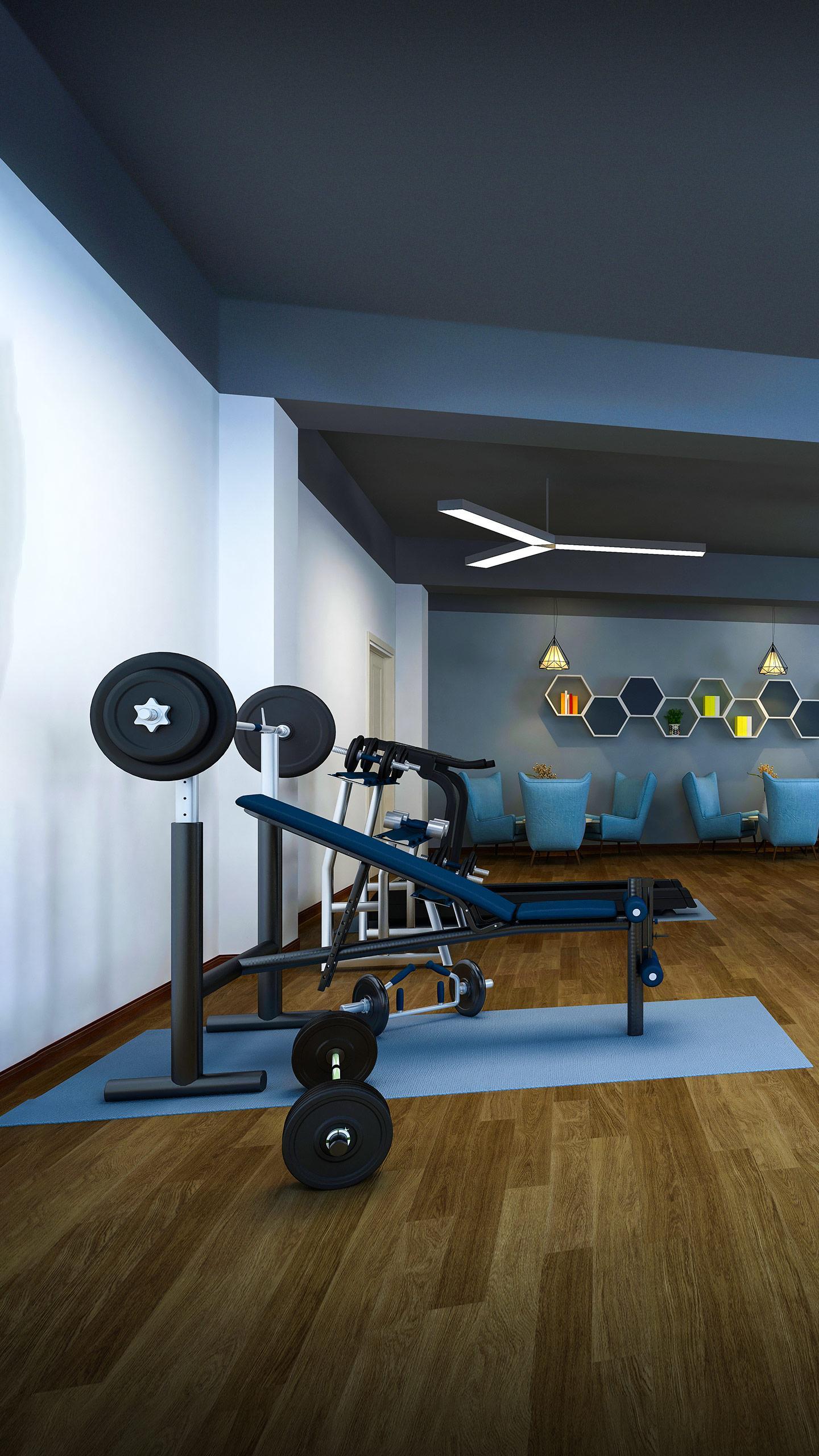
that fitness centers are moving beyond being mere workout spaces to become 'third places' that offer social connections and community. This shift is driven by the global wellness economy's rapid growth, projected to reach nearly $9.75 trillion by 2029, and the evolving expectations of younger consumers, particularly Gen Z and Millennials, who view well-being as a continuous and personalized practice. Operators like Life Time in North America exemplify this trend by combining fitness with wellness facilities, dining, and social spaces to encourage members to stay beyond their workouts.
Why It's Important?
This transformation is crucial for the U.S. fitness industry as it seeks to attract and retain the next generation of members. By prioritizing hospitality principles such as personalized service, low intimidation, high inclusivity, and well-being by design, fitness centers can create more engaging and sticky experiences. This approach directly impacts the business models of gyms and wellness centers, pushing them to innovate beyond traditional membership structures and offer more holistic services. The convergence of hospitality and fitness also creates new opportunities for cross-industry partnerships and influences real estate development, as fitness centers become lifestyle destinations. For consumers, it means a richer, more integrated wellness experience that caters to broader lifestyle needs, potentially improving public health outcomes by making fitness more appealing and accessible.
What's Next?
The fitness industry is expected to continue evolving towards a 'club as destination' model, where members are treated as guests. This involves creating welcoming social spaces, organizing member events, and offering diverse group activities. Future developments will likely include more personalized experiences through technology and data analytics, complemented by human interaction to build loyalty. Fitness businesses will also focus on curating varied experiences, from strength training and Pilates to yoga and well-being workshops, to cater to members' desire for variety and discovery. Recovery services, such as lounges, infrared saunas, and cold plunges, will become more integral to the fitness experience, reflecting a shift towards holistic well-being.
Beyond the Headlines
The deeper implication of this trend is a redefinition of what a 'gym' or 'fitness center' truly is. It's no longer just about physical exertion but about creating environments that support mental, emotional, and social well-being. This shift challenges the traditional, often intimidating, image of gyms and promotes a more inclusive and community-oriented approach to health. The emphasis on 'well-being by design' and 'low intimidation' suggests a move towards spaces that are aesthetically pleasing and psychologically comforting, making wellness more accessible to a broader demographic. This could lead to a more integrated approach to urban living, where fitness and social hubs are seamlessly woven into the fabric of communities, fostering greater social connection and overall quality of life.