




What's Happening?
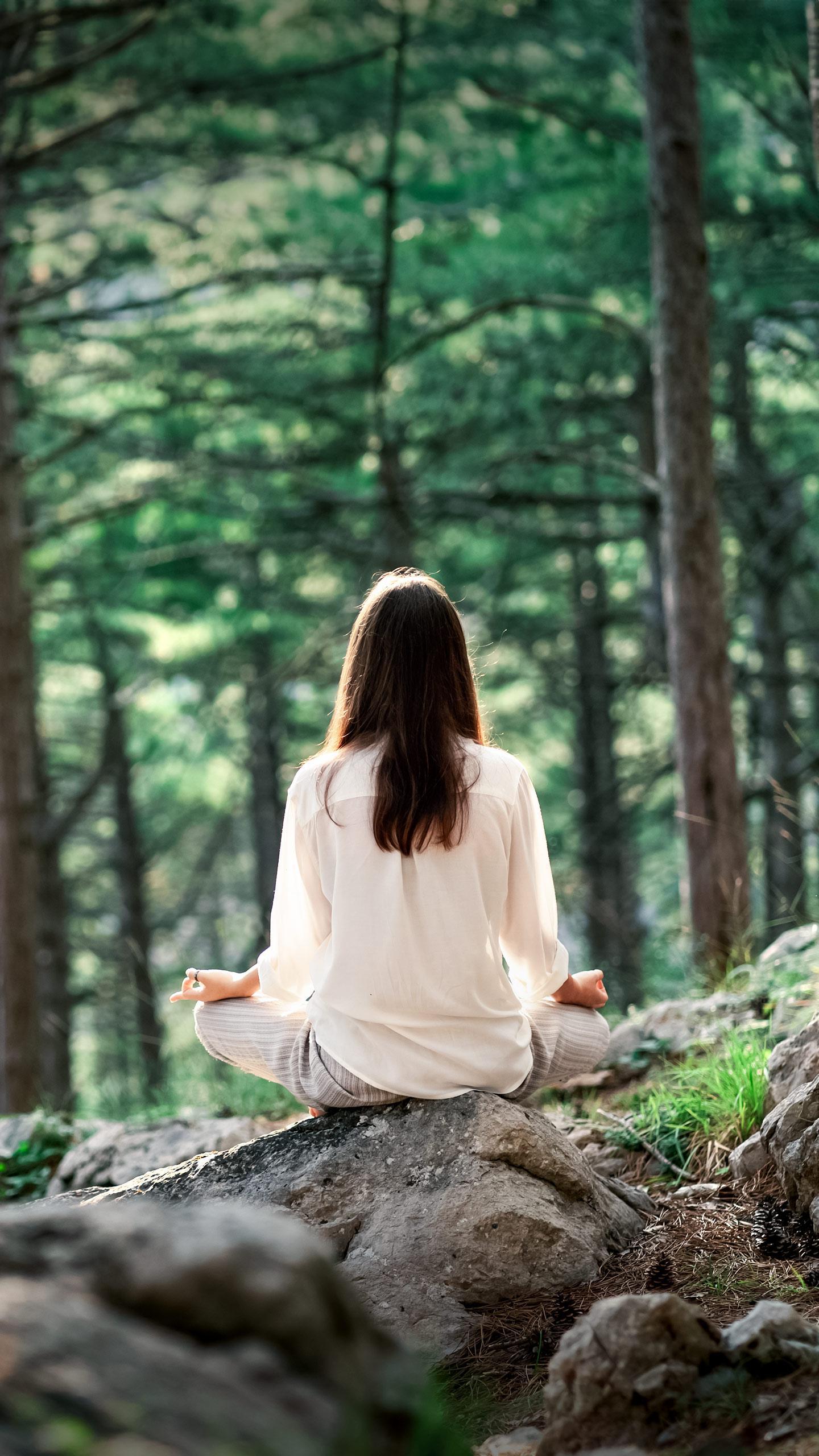
Forest bathing, also known as shinrin-yoku, a practice originating in Japan, is gaining popularity in the Poconos region of the United States. This wellness technique, developed in the 1980s, involves
immersing oneself in nature to connect with the environment through the five senses: sight, smell, hearing, touch, and taste. Richie Roche, based in Shawnee-on-Delaware, leads forest bathing classes at the French Manor Inn and Spa in South Sterling and Deerfield Health Retreat and Spa in East Stroudsburg. Participants are encouraged to turn off cell phones and maintain silence to fully engage with the natural surroundings. Studies cited in the source, including a 2018 review by Science Direct, indicate that forest bathing can decrease stress hormone levels, benefit the cardiovascular, respiratory, and immune systems, and increase the activity of NK cells, which protect against viruses and cancer. Roche emphasizes that the practice helps individuals reconnect with nature, a connection often lost in modern, indoor-centric lifestyles.
Why It's Important?
The growing interest in forest bathing in the U.S., particularly in regions like the Poconos, highlights a broader societal shift towards holistic wellness and nature-based therapies. With a significant portion of the American population spending most of their time indoors, as noted by a 2018 EPA study, practices like shinrin-yoku offer a potential antidote to the stresses of modern life. The reported health benefits, such as reduced anxiety, improved cardiovascular health, and enhanced immune function, could lead to increased adoption of such practices in personal wellness routines and potentially influence public health initiatives. The integration of forest bathing into resort and retreat programs also signifies a growing market for experiential wellness tourism, creating economic opportunities for guides and hospitality businesses in natural areas. This trend underscores a recognition of nature's therapeutic value and its role in mental and physical well-being.
What's Next?
As awareness of forest bathing's benefits continues to spread, it is likely that more wellness centers, resorts, and nature preserves across the U.S. will begin offering guided shinrin-yoku sessions. The increasing scientific validation of its positive effects on stress reduction and immune function could encourage healthcare providers to consider recommending nature immersion as a complementary therapy. This could also lead to the development of standardized training programs for forest bathing guides and the establishment of designated 'forest therapy bases' similar to those in Japan. Furthermore, the emphasis on disconnecting from digital devices during these sessions may foster a broader conversation about digital detox and mindful engagement with the environment, potentially influencing lifestyle choices and urban planning to incorporate more accessible green spaces for public well-being.
Beyond the Headlines
The resurgence of practices like forest bathing reflects a deeper cultural yearning for reconnection with the natural world in an increasingly digitized and urbanized society. Beyond the immediate health benefits, shinrin-yoku encourages a philosophical shift towards viewing humans as an integral part of nature, rather than separate from it. This perspective can foster greater environmental stewardship and a more mindful approach to consumption and resource use. The practice also subtly challenges the prevailing notion of productivity, advocating for moments of stillness and sensory engagement as essential for human flourishing. Ethically, it raises questions about equitable access to natural spaces and the potential for commercialization to dilute the authentic experience of nature immersion. Ultimately, forest bathing could contribute to a broader re-evaluation of societal values, prioritizing well-being and ecological harmony.