



What's Happening?
Ulysses Wu, MD, with Hartford HealthCare, emphasizes the significant role a well-stocked and organized freezer plays in maintaining healthy eating habits. Dr. Wu states that frozen foods, when chosen wisely
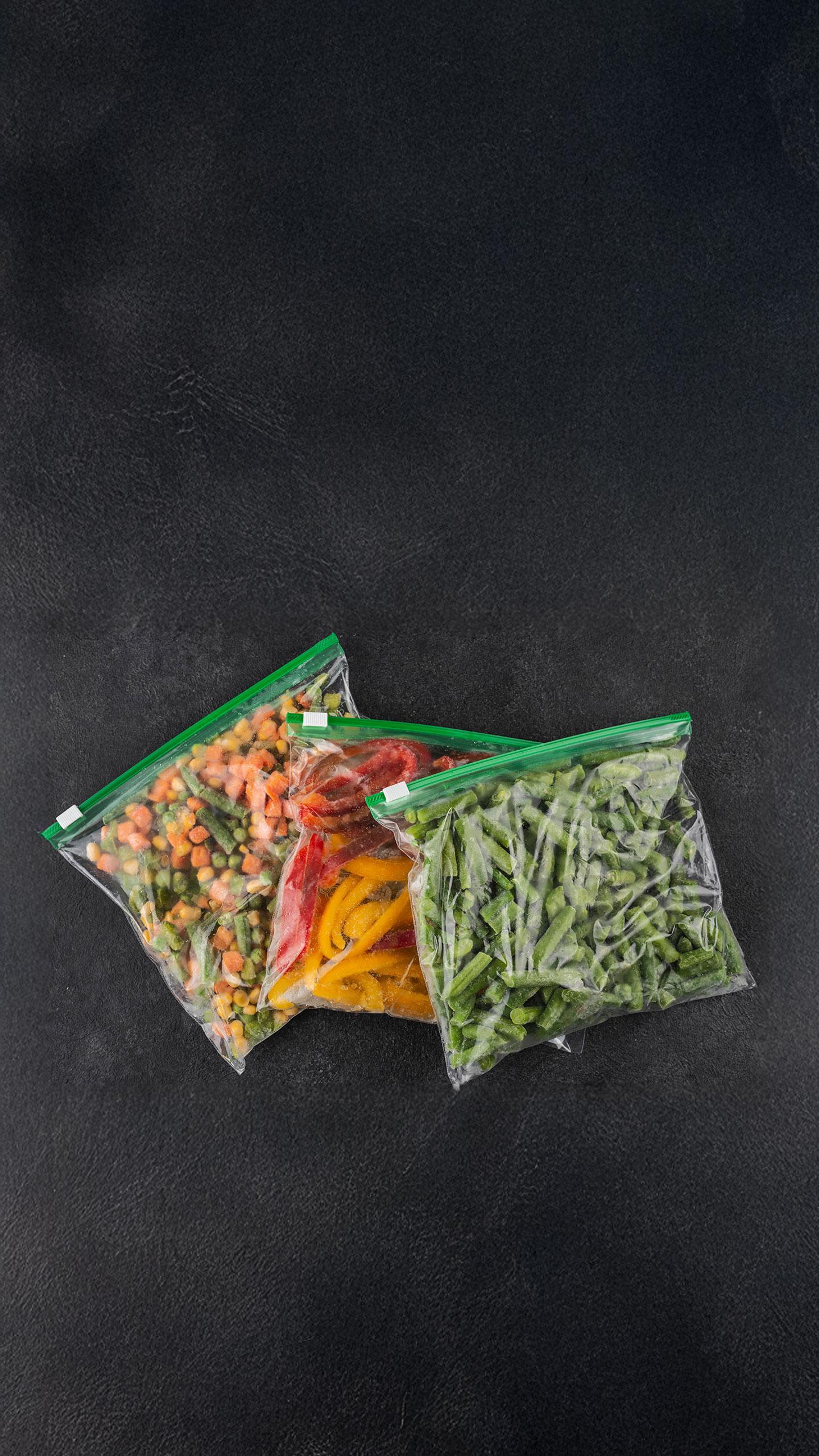
(balanced, minimally processed options), can greatly support a healthy diet. He advises stocking up on frozen vegetables, which retain nutritional value and reduce food waste, and keeping various proteins on hand to simplify meal preparation. Additionally, Dr. Wu suggests having backup frozen meals for nights when cooking is not feasible, freezing fruits for easy breakfasts and snacks, and preserving leftovers before they become unappealing. A crucial piece of advice is to organize the freezer so that healthy foods are easily visible and accessible, as this environmental cue can significantly influence eating choices. Dr. Wu also stresses the importance of including enjoyable foods in the freezer to prevent feelings of restriction, which can undermine long-term healthy habits.
Why It's Important?
This guidance from Hartford Hospital is important because it addresses a common barrier to healthy eating: convenience and sustainability. Many individuals struggle to maintain healthy diets due to busy schedules, food waste, or the perception that healthy eating is restrictive and unenjoyable. Dr. Wu's advice provides practical, actionable strategies that can help overcome these challenges. By promoting the strategic use of freezers, it encourages meal planning and reduces reliance on less healthy takeout options. The emphasis on including enjoyable foods is particularly significant, as it acknowledges the psychological aspect of dietary adherence; overly restrictive diets often lead to burnout and abandonment of healthy goals. This approach empowers individuals to build sustainable habits by making healthy choices easier, more accessible, and more satisfying, ultimately contributing to better public health outcomes by fostering consistent nutritious eating.
What's Next?
The recommendations from Hartford Hospital are likely to encourage more individuals to re-evaluate their freezer usage and adopt more strategic stocking and organization methods. This could lead to an increased demand for a wider variety of healthy, minimally processed frozen food options in grocery stores. Nutrition educators and healthcare providers may integrate these practical tips into their counseling sessions, further promoting the idea of the freezer as a tool for health. There might also be a trend towards more home meal prepping and freezing, as people realize the convenience and cost-saving benefits. Food manufacturers could respond by offering more diverse and appealing frozen meals that align with health guidelines, focusing on balanced nutrition and reduced sodium. Ultimately, this advice could contribute to a broader cultural shift towards more efficient and sustainable healthy eating practices in American households.
Beyond the Headlines
The strategic use of freezers for healthy eating has deeper implications beyond mere convenience. It touches upon food security, food waste reduction, and economic efficiency in household management. By freezing fresh produce and leftovers, households can significantly reduce food waste, which has environmental benefits and saves money. This approach also democratizes healthy eating to some extent, as frozen fruits and vegetables are often more affordable and have a longer shelf life than their fresh counterparts, making nutritious options accessible to a wider range of income levels. Furthermore, the psychological aspect of 'leaving room for enjoyment' in healthy eating challenges the puritanical view of diet often prevalent in wellness culture, promoting a more balanced and less guilt-ridden relationship with food. This holistic perspective on food storage and consumption can foster greater food literacy and empower individuals to take more control over their dietary health in a practical and sustainable manner.