




What's Happening?
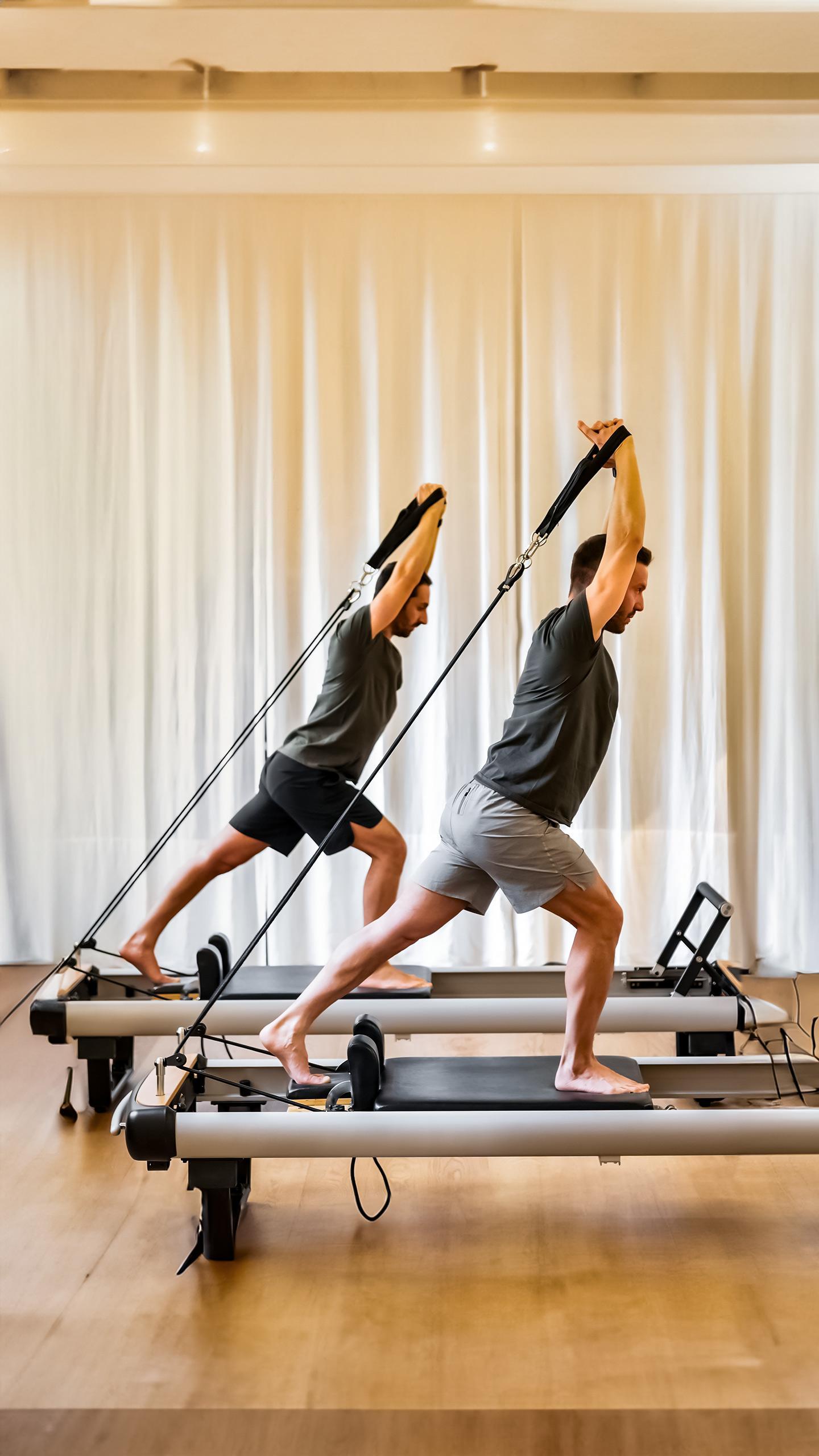
Traditional Pilates, developed by Joseph Pilates in the early 20th century, is a low-impact exercise system focusing on controlled movement, breath, and core engagement. It typically involves standardized
mat exercises and equipment work on reformers, Cadillacs, and Wunda Chairs, with classes following a set sequence for general fitness. In contrast, Clinical Pilates is a therapeutic adaptation delivered by healthcare professionals, often physiotherapists. This approach retains the core principles of traditional Pilates but filters exercise choices through a clinical lens, beginning with a detailed assessment of movement patterns, pain history, strength deficits, and functional goals. While traditional Pilates instructors are fitness-oriented, clinical Pilates instructors possess university-level training in anatomy, physiology, biomechanics, and pathology, allowing them to adapt exercises for specific diagnoses and rehabilitation.
Why It's Important?
The distinction between Traditional and Clinical Pilates is crucial for individuals seeking exercise for general fitness versus those requiring rehabilitation or injury prevention. Traditional Pilates offers a consistent, low-impact workout for improving posture, balance, endurance, and muscular control, suitable for generally healthy individuals. However, for those with specific injuries, chronic pain, post-surgical recovery needs, or conditions like osteoporosis, Clinical Pilates provides a safer and more effective starting point. The individualized assessment and tailored programs in Clinical Pilates ensure that exercises support healing and address the root cause of pain, minimizing the risk of aggravating existing conditions and promoting a safer return to daily activities. This differentiation helps consumers make informed decisions about which type of Pilates best suits their health and fitness objectives.
What's Next?
Individuals considering Pilates should first assess their needs and goals. If the aim is general fitness and there are no major movement limitations or acute pain, traditional Pilates classes may be appropriate. However, if recovery from injury, pain relief, or management of specific musculoskeletal conditions is the primary objective, consulting a healthcare professional who practices Clinical Pilates is recommended. This initial assessment can determine the most suitable approach, potentially leading to a tailored clinical program or clearance for traditional classes with specific modifications. Many individuals may start with Clinical Pilates to establish a safe foundation and later transition to traditional classes for ongoing fitness and maintenance.
Beyond the Headlines
The evolution of Pilates into both traditional and clinical forms reflects a broader trend in the fitness and healthcare industries towards specialized, evidence-based interventions. This dual approach highlights the increasing recognition of exercise as both a preventative measure and a therapeutic tool. The emphasis on individualized assessment and professional oversight in Clinical Pilates underscores the importance of integrating exercise science and physical therapy principles into fitness practices, particularly for vulnerable populations or those with complex health needs. This development also raises questions about the scope of practice for fitness instructors versus licensed healthcare professionals, emphasizing the need for clear guidelines and consumer education to ensure safe and effective exercise participation.