



What's Happening?
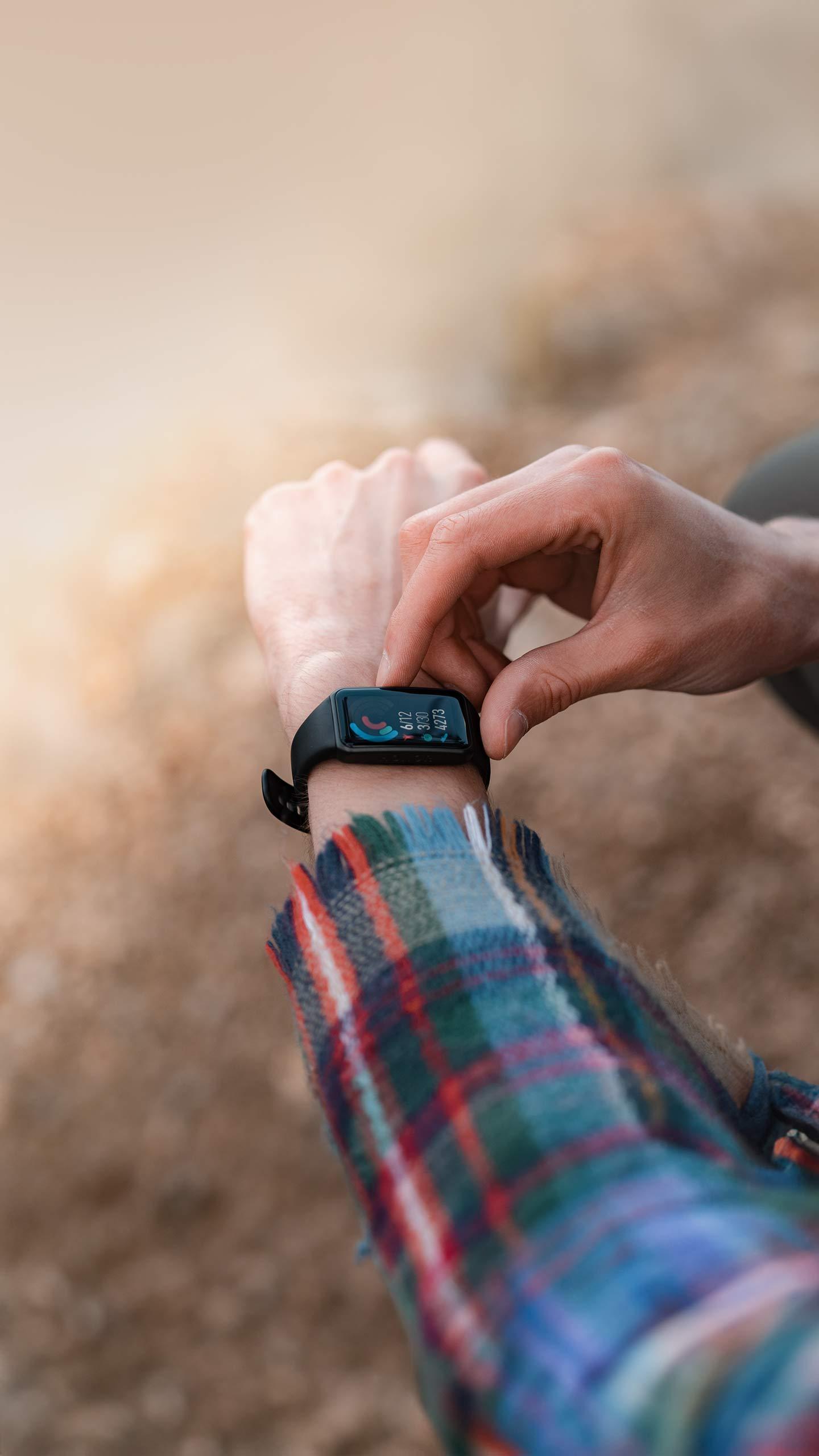
The fitness tracker market is expanding with a variety of devices catering to different user needs, from serious athletes to beginners. The Fitbit Inspire 3 is highlighted as a beginner-friendly option,
offering basic fitness tracking, ECG, and AFib detection for under $100, though it lacks detailed recovery analysis and on-device GPS. For athletes, the WHOOP focuses on strain, recovery, and sleep, providing daily guidance on workout intensity, but it requires a subscription and is not ideal for sleep tracking due to its wrist-worn design. The Circular Ring 2 offers advanced fitness tracking with AI coaching and ECG/AFib detection without a subscription, emphasizing comfort and accuracy. The Amazfit Helio Strap is presented as a budget-friendly option for strength training, featuring automatic recognition of 25 strength training movements and BioCharge energy monitoring, though its accuracy improves when worn on the upper arm. These devices aim to provide alternatives to bulky smartwatches, focusing on comfort, vital tracking accuracy, and value.
Why It's Important?
The diversification of the fitness tracker market is significant for U.S. consumers and the health technology industry. It indicates a growing demand for specialized health monitoring solutions beyond traditional smartwatches. For consumers, this means more tailored options to meet specific fitness goals, whether it's basic activity tracking, advanced athletic performance analysis, or discreet health monitoring. The inclusion of features like ECG and AFib detection in more accessible devices like the Fitbit Inspire 3 and Circular Ring 2 could lead to earlier detection of potential heart conditions, impacting public health outcomes. The competitive landscape, with both subscription-based models like WHOOP and no-subscription alternatives, offers consumers flexibility in cost and features. This trend also pushes manufacturers to innovate in areas like sensor accuracy, battery life, and AI-driven insights, fostering a more robust and responsive health tech ecosystem in the U.S.
What's Next?
The future of fitness trackers will likely see continued innovation in sensor technology, AI-driven personalized coaching, and integration with broader health ecosystems. Manufacturers may focus on improving the accuracy of non-wrist-based trackers, such as rings and straps, to provide more reliable data for serious athletes. The trend towards subscription-free models with advanced features, as seen with the Circular Ring 2, could put pressure on companies like WHOOP to justify their recurring costs with even more sophisticated analytics and services. Furthermore, as these devices become more prevalent, there may be increased scrutiny from regulatory bodies regarding the accuracy and medical claims of health-related features like ECG and AFib detection. The market is expected to continue segmenting, offering highly specialized devices for niche user groups while also improving the accessibility and affordability of basic health monitoring for the general public.
Beyond the Headlines
The evolution of fitness trackers extends beyond mere step counting, delving into deeper implications for personal health management and data privacy. The ability of devices like the Circular Ring 2 and Fitbit Inspire 3 to detect conditions such as AFib raises questions about the role of consumer wearables in preventative healthcare and their potential to bridge the gap between personal health monitoring and clinical diagnostics. This could lead to a shift in how individuals engage with their health, empowering them with more data and potentially reducing healthcare costs through early intervention. However, the collection of extensive personal health data by these devices also brings forth significant privacy concerns. Users must weigh the benefits of detailed health insights against the risks associated with data security and how their biometric information might be used or shared. The industry will need to navigate these ethical and legal challenges, ensuring transparency and robust data protection measures to maintain consumer trust and fully realize the potential of these advanced health technologies.