


What's Happening?
CookUnity, a meal delivery marketplace, has announced a strategic partnership with Oura, a health intelligence platform known for its smart rings. This collaboration allows users to connect their Oura data,
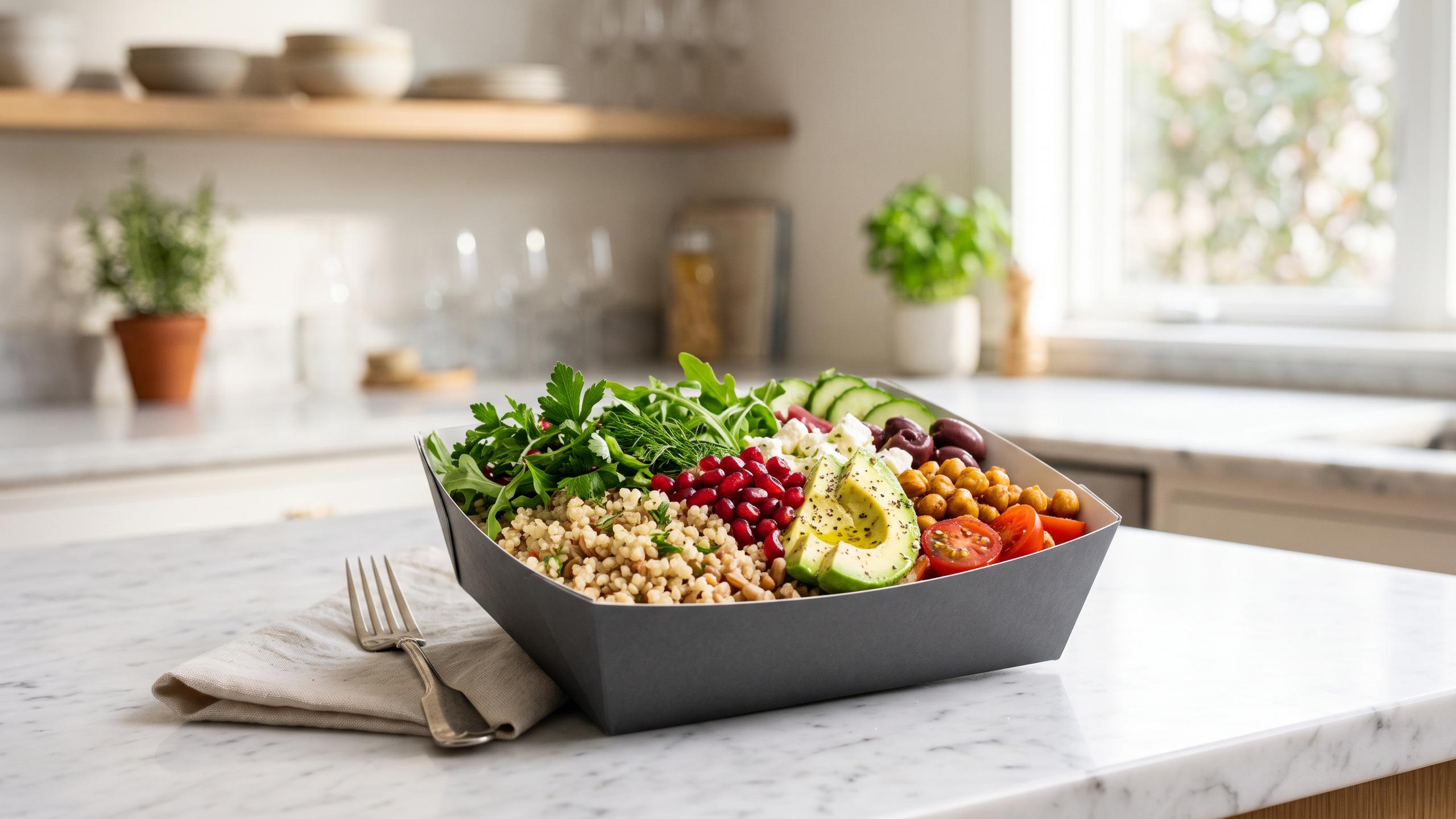
including sleep and activity insights, with CookUnity to receive personalized weekly meal recommendations. The system uses metrics like Sleep and Activity Scores to inform meal suggestions, aiming to align food choices with individual health and activity needs. CookUnity, which features meals from a collective of chefs, will deliver these tailored selections directly to members' homes. This integration is designed to simplify meal planning by removing guesswork and offering suggestions based on health trends, food preferences, and personal goals. The partnership represents a significant step in connecting personal health insights with prepared, high-quality meals, according to Morley Ivers, Head of Strategic Partnerships at CookUnity. Dorothy Kilroy, chief commercial officer at Oura, emphasized that nutrition is a crucial pillar of overall health, and this partnership extends Oura's mission to help people understand their bodies better.
Why It's Important?
This partnership is significant as it addresses a growing consumer demand for personalized health solutions, particularly in nutrition. A Deloitte survey indicated that 76% of Americans prefer using food over prescription medications for managing their overall health, highlighting a shift towards proactive and integrated wellness approaches. By combining Oura's detailed health metrics with CookUnity's diverse culinary offerings, the collaboration aims to empower individuals to make more informed dietary choices that directly support their health goals. This could lead to improved health outcomes for users by optimizing their nutrition based on real-time physiological data. For the meal delivery industry, this sets a new standard for personalization, potentially driving other companies to integrate similar health-tracking technologies. It also reinforces the concept of 'food as medicine,' making it more accessible and actionable for everyday consumers. The involvement of registered dietitians and a Clinical Advisory Board in developing CookUnity's nutritional framework further adds credibility to the personalized recommendations.
What's Next?
CookUnity members across North America can now access the Oura integration via web and iOS platforms, allowing immediate utilization of the personalized meal recommendation service. The companies will likely monitor user engagement and health outcomes to refine the integration and expand its features. Future developments could include more granular data integration, such as specific workout types influencing meal composition, or even real-time adjustments based on daily fluctuations in health metrics. This partnership may also inspire other health tech companies to seek similar collaborations with food service providers, leading to a broader trend of integrated health and nutrition platforms. CookUnity and Oura may also explore educational content or community features to further support users in their health journeys, leveraging the insights gained from this data-driven approach to nutrition. The success of this model could influence how consumers perceive and utilize meal delivery services, shifting them from mere convenience to essential health management tools.
Beyond the Headlines
This collaboration touches upon deeper implications regarding data privacy and the ethical use of personal health information. As more companies integrate health data into consumer services, questions about data security, consent, and how this sensitive information is stored and utilized will become increasingly pertinent. The partnership also highlights the evolving landscape of wellness, where technology is blurring the lines between health monitoring, dietary planning, and lifestyle management. This could lead to a future where individual health profiles are seamlessly integrated across various services, creating a highly personalized but also potentially intrusive ecosystem. Furthermore, the emphasis on personalized nutrition could exacerbate existing health disparities if access to such advanced, data-driven services remains limited to those who can afford smart devices and premium meal delivery subscriptions. The long-term impact on public health will depend on how widely accessible and equitable these personalized nutrition solutions become.