



What's Happening?
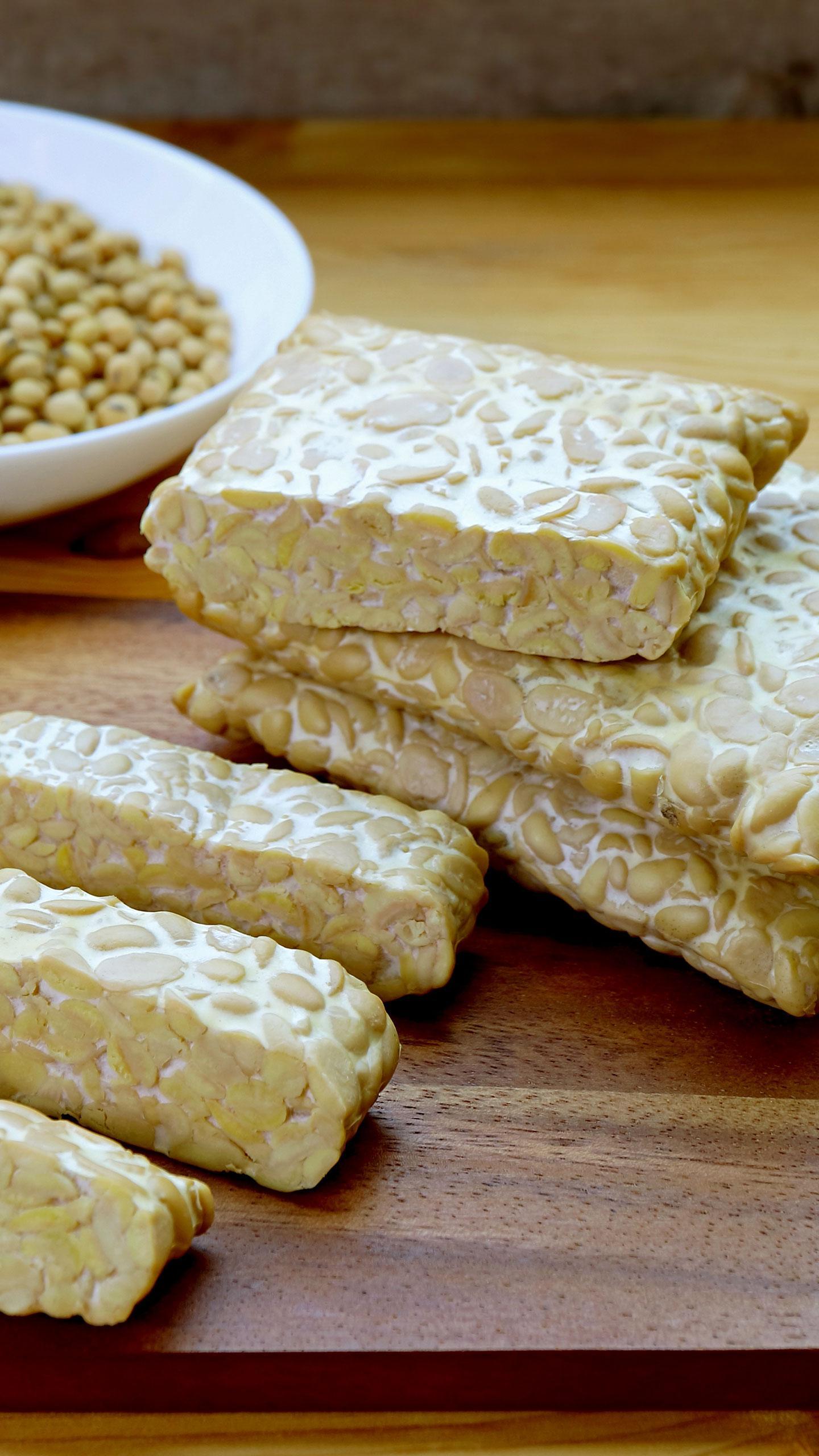
Plain, firm tempeh is generally considered a low FODMAP food at a serving size of approximately 100g, making it a potentially suitable option for individuals with Irritable Bowel Syndrome (IBS). The fermentation
process involved in making tempeh breaks down oligosaccharides, specifically galacto-oligosaccharides (GOS), which are high FODMAP compounds found in whole soybeans. This transformation enhances tempeh's digestibility for those sensitive to fermentable carbohydrates. However, individual tolerance can vary based on IBS subtype, sensitivity to fermented foods, and overall gut health. It is crucial to check product labels as some tempeh brands may include high-FODMAP ingredients like barley or flavorings such as onion and garlic. For optimal tolerance, it is recommended to start with smaller portions (50-75g) and gradually increase, while also steaming tempeh for 10-15 minutes before cooking to improve digestibility and reduce bitterness. Compared to tofu, tempeh is higher in fiber and contains fermentation-derived compounds that may support gut health, while tofu is generally lower in fiber and FODMAPs, making it a gentler starting point for highly sensitive individuals.
Why It's Important?
The guidance on tempeh for IBS sufferers is important for individuals seeking plant-based protein sources that align with their dietary restrictions. IBS affects a significant portion of the population, and managing symptoms often involves careful dietary choices. By identifying tempeh as a low FODMAP option, this information empowers consumers to make informed decisions that can improve their digestive comfort and nutritional intake. The detailed comparison with tofu helps individuals understand the nuances of soy products and select the most appropriate option for their specific digestive needs. Furthermore, the emphasis on proper preparation and portion control highlights the importance of personalized dietary approaches, reducing the risk of triggering IBS symptoms. This can lead to a better quality of life for those managing IBS, allowing them to diversify their diet without adverse effects.
What's Next?
Individuals with IBS who wish to incorporate tempeh into their diet should follow a step-by-step introduction plan. This involves starting with small portions (50-75g) of plain, firm tempeh when IBS symptoms are stable. Proper preparation, such as steaming tempeh before cooking and using low-FODMAP marinades (e.g., garlic-infused oil, tamari, ginger, citrus), is crucial. Monitoring symptoms for 24-48 hours after consumption will help assess individual tolerance. If well-tolerated, the portion size can be gradually increased to 100g. If symptoms occur, reducing the portion or frequency is advised. For personalized guidance, individuals may consider gut microbiome testing to better understand how their body processes different foods and to tailor their diet accordingly. Continued awareness of product labels to avoid high-FODMAP additives will also be essential for sustained digestive comfort.
Beyond the Headlines
The discussion around tempeh and IBS extends beyond immediate dietary choices, touching upon broader aspects of gut health and personalized nutrition. The varying individual responses to tempeh underscore the complexity of the gut microbiome and its influence on digestive health. Factors such as microbiome composition, IBS subtype, histamine handling, and coexisting conditions all play a role in how a person reacts to fermented foods. This highlights the limitations of generic 'safe' and 'unsafe' food lists and emphasizes the need for individualized dietary strategies. The potential for fermentation to reduce antinutrients and improve digestibility also points to the broader benefits of traditional food preparation methods. As research into the gut microbiome advances, there is a growing recognition that understanding one's unique biological makeup is key to optimizing health and managing chronic conditions like IBS, moving towards a more precise and personalized approach to diet and wellness.