



What's Happening?
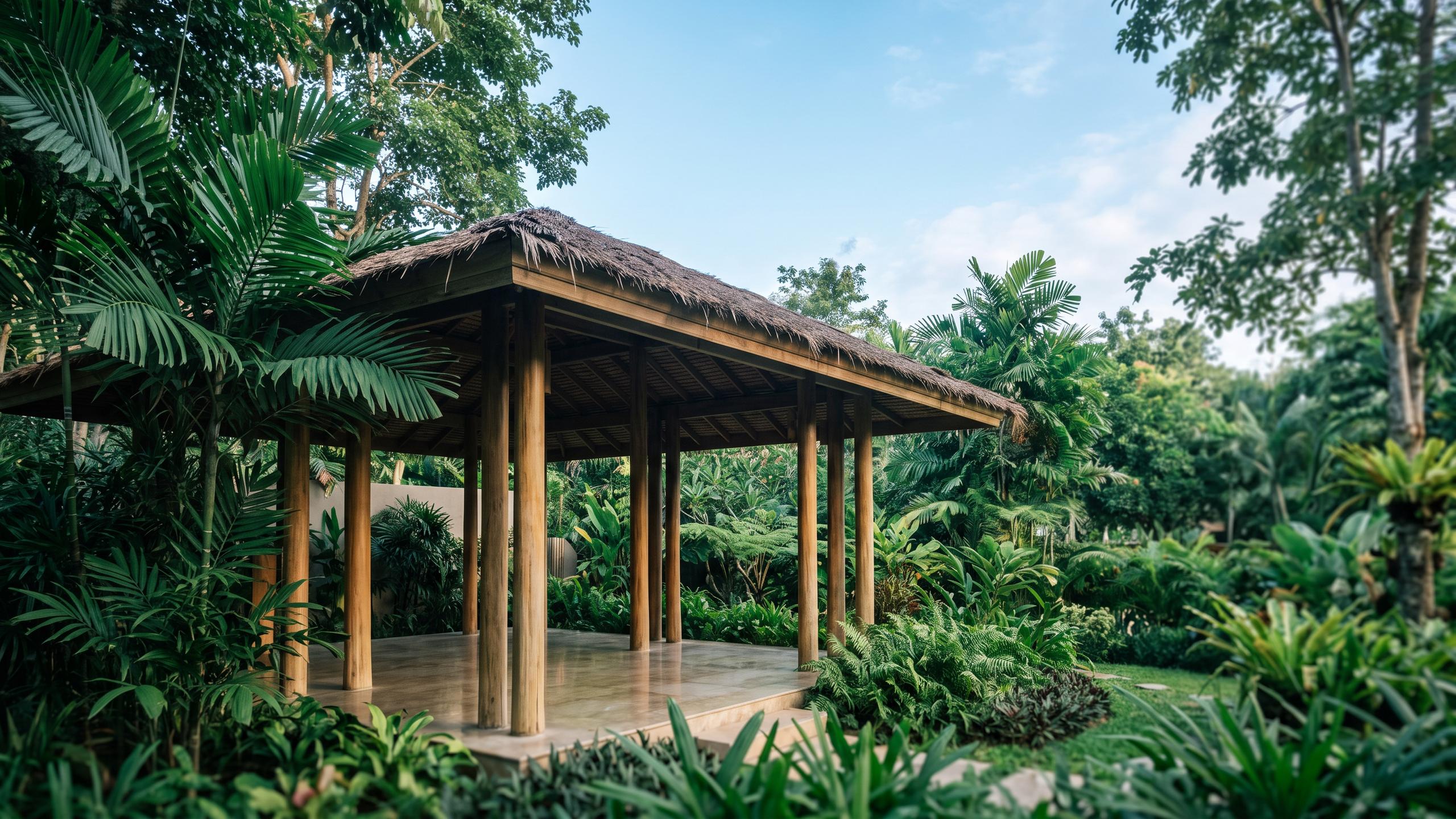
Kamalaya Wellness Sanctuary is celebrating its 21st anniversary on November 11, 2026, marking over two decades of providing holistic healing experiences. Since its opening in 2005, the sanctuary has garnered
more than 100 international accolades, solidifying its reputation as a leading global wellness destination. Recent honors in 2026 include being named number one in the World’s 50 Best Wellness Resorts by Health Travel Magazine and ranking third among Best Destination Spas by Condé Nast Traveller’s Readers’ Choice Awards. Kamalaya has also received recognition for its wellness cuisine, solo getaways, and commitment to responsible travel. The sanctuary integrates traditional Eastern healing philosophies with contemporary practices, offering personalized programs that address physical health alongside emotional and spiritual well-being, including detoxification, stress management, sleep enhancement, and cognitive well-being.
Why It's Important?
Kamalaya's sustained success and numerous accolades highlight the growing global demand for comprehensive wellness solutions that extend beyond physical health. This trend signifies a broader societal shift towards holistic well-being, where mental, emotional, and spiritual health are increasingly valued. For the U.S. wellness industry, Kamalaya's model demonstrates the potential for integrating diverse healing traditions and personalized approaches to attract a discerning clientele. The recognition of specialized programs like 'Sacred Renewal' indicates a market for deeply immersive and transformative experiences. This success could inspire U.S. wellness providers to expand their offerings, focusing on integrated care and unique, culturally rich wellness journeys, thereby influencing investment and development in the luxury wellness tourism sector.
What's Next?
The continued success of established wellness sanctuaries like Kamalaya suggests a sustained growth trajectory for the global wellness tourism market. Future developments may include further specialization in wellness programs, incorporating advanced diagnostics and personalized health assessments. There is likely to be an increased focus on emotional resilience, cognitive enhancement, and longevity programs, reflecting evolving consumer needs. U.S. wellness providers might look to emulate aspects of Kamalaya's integrated approach, potentially leading to more partnerships between traditional and modern health practitioners. The emphasis on responsible travel and sustainable practices will also likely become a more prominent feature in the wellness industry, influencing operational standards and consumer choices.
Beyond the Headlines
Kamalaya's enduring appeal points to a deeper human desire for self-discovery and meaningful transformation in an increasingly complex world. The integration of ancient wisdom with modern science reflects a growing recognition that well-being is multifaceted and requires a holistic approach. This trend challenges conventional healthcare models by emphasizing preventive care and lifestyle interventions. Ethically, it raises questions about accessibility to such high-end wellness experiences and the potential for a two-tiered system of health. Culturally, it signifies a blending of Eastern and Western philosophies, fostering a more globalized understanding of health and healing. The long-term impact could be a redefinition of what constitutes 'health' and a greater societal investment in practices that nurture mind, body, and spirit.