
What's Happening?
A recent study indicates that women and men may exhibit different muscle activation patterns when employing the 'pre-exhaustion' strength training technique, particularly concerning the chest and triceps
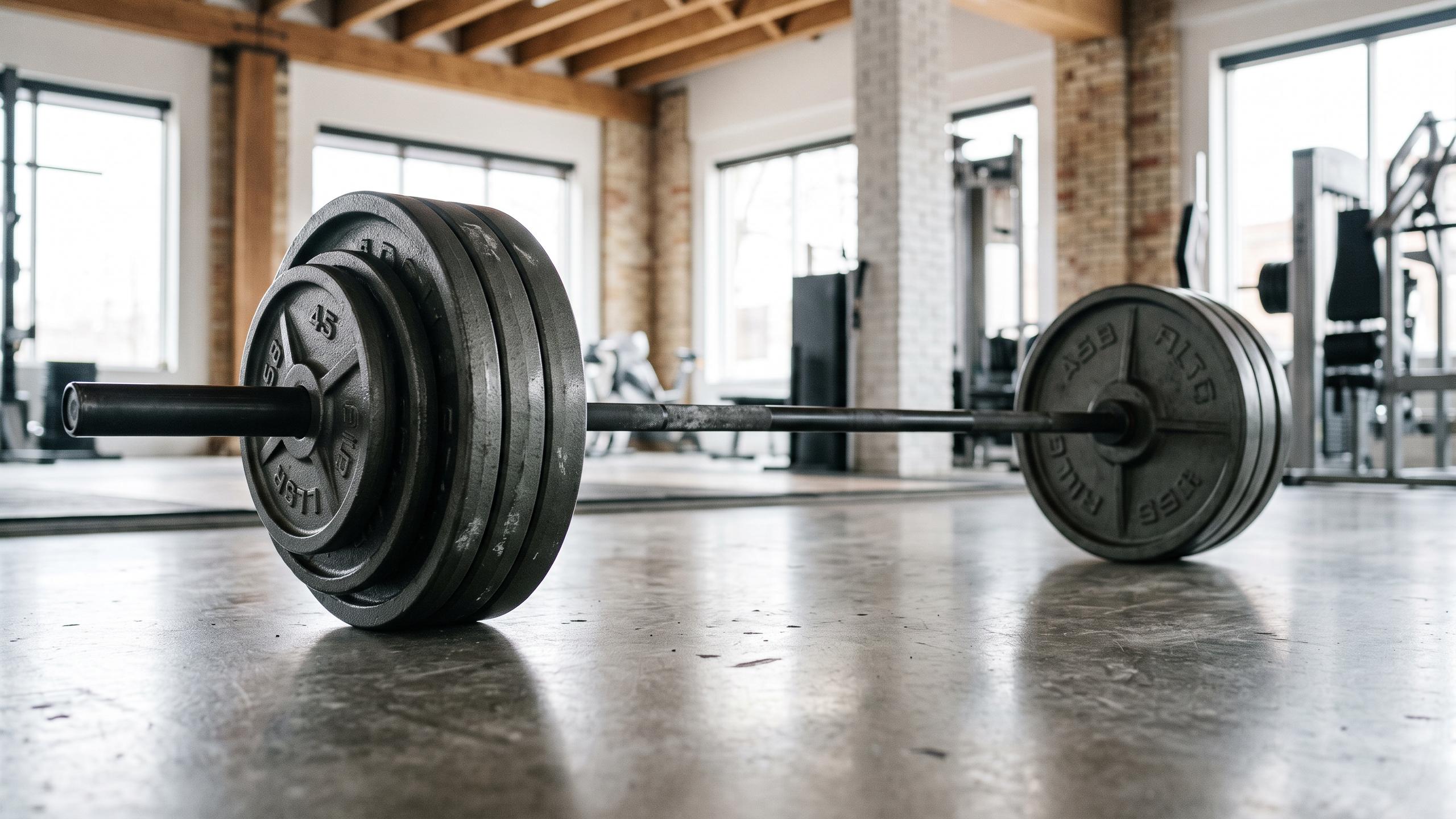
during bench presses. Pre-exhaustion involves fatiguing a specific muscle group with an isolation exercise before performing a compound movement that also engages that muscle. Researchers recruited 30 resistance-trained adults, evenly split between women and men, who had at least one year of lifting experience. Participants performed bench presses at a weight they could lift for 10 repetitions, both with and without prior triceps pre-exhaustion. While fatiguing the triceps increased chest muscle activity in both sexes, women showed an increase in triceps activity during the subsequent bench press, whereas men did not. Both groups experienced a similar reduction in performance, managing only about four bench press reps after pre-exhaustion compared to their usual ten.
Why It's Important?
This research highlights a potential physiological difference between sexes in how muscles respond to specific training methodologies, which could influence personalized exercise prescriptions. Understanding these distinctions is crucial for optimizing training programs, especially for individuals aiming to maximize muscle development or performance. The finding that women's triceps activity increased during the bench press after pre-exhaustion, while men's did not, suggests that women might rely more on their triceps to complete the lift when fatigued. This could have implications for how trainers design workouts to target specific muscle groups or address muscle imbalances. For the fitness industry, this study underscores the need for more sex-specific research to move beyond generalized training advice, potentially leading to more effective and safer exercise protocols for both women and men.
What's Next?
Further research is needed to fully understand the long-term implications of these sex-based differences in muscle response to pre-exhaustion. The current study measured muscle activity during a single session, not changes in muscle size over time. Future investigations should explore whether these acute differences translate into varying rates of muscle growth or strength gains between women and men when consistently using pre-exhaustion. Researchers also need to delve deeper into the physiological mechanisms behind these observed differences. For individuals, the study suggests that while pre-exhaustion can add variety to a routine, there's no current evidence it builds more muscle than traditional training. Those experimenting with the technique should adjust weights, be flexible with reps, and prioritize good form, especially when fatigued.
Beyond the Headlines
The study's findings contribute to a growing body of evidence challenging the 'one-size-fits-all' approach in exercise science. Recognizing and understanding sex-based physiological differences in training responses can lead to more nuanced and effective fitness strategies. This extends beyond just muscle activation to potentially include recovery protocols, nutritional needs, and injury prevention. Ethically, this research encourages a more inclusive and tailored approach to fitness, moving away from assumptions based solely on male physiology. Culturally, it could help deconstruct stereotypes about how men and women should train, promoting a more informed and individualized pursuit of health and fitness goals. The long-term shift could be towards highly personalized training programs that account for individual physiological variations, including sex, age, and training experience.