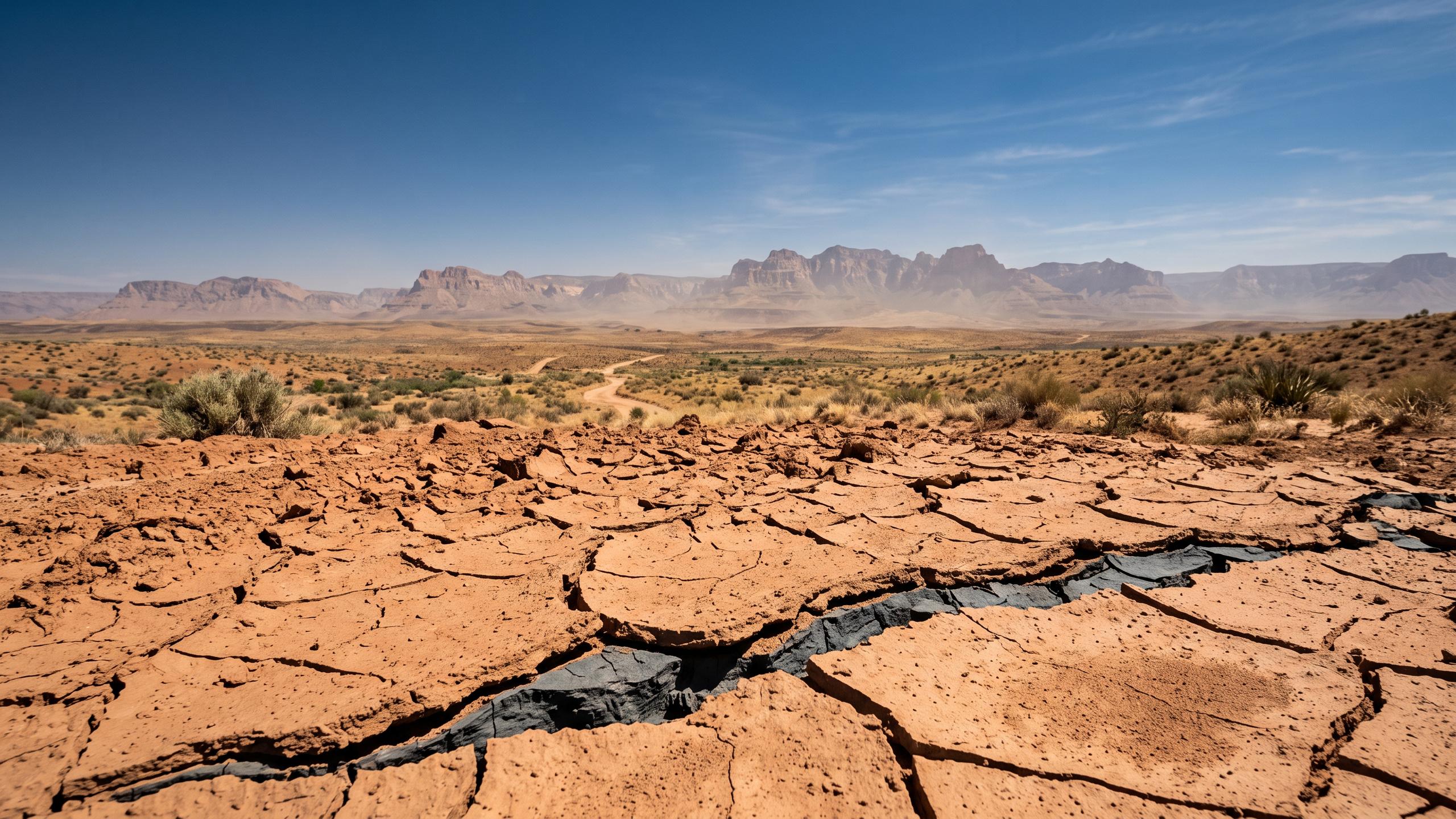




What's Happening?
New studies led by Eun Young Choi, a gerontologist at Arizona State University, indicate a direct association between extreme heat exposure and an increased risk of age-related cognitive decline, including
dementia. One nationwide survey of 28,000 individuals aged 50 and older, analyzing 20 years of data, found that experiencing outdoor temperatures exceeding 103 degrees Fahrenheit for more than seven days annually raised the risk of dementia by 23%. Even one to two such hot days increased the risk by 14%. Phoenix, Arizona, for instance, experienced 47 heat warning days this year. A second study by Choi's team revealed that long-term heat exposure elevated blood biomarker levels associated with Alzheimer's disease, specifically in women. Over a five-year period, women in hot summer environments developed more neuron-damaging tangles and amyloid-beta proteins in their brains, biochemical markers for Alzheimer's, a correlation not observed in men. This research is the first of its kind in the U.S., though international studies in Taiwan and China have shown similar links between heat-related illnesses and cognitive decline.
Why It's Important?
This research highlights a significant and growing public health concern in the U.S., particularly in regions like Arizona that experience prolonged periods of extreme heat. The findings suggest that the long-term consequences of chronic heat exposure extend beyond acute effects like heat stroke, potentially contributing to the rising burden of neurodegenerative diseases. With an estimated 5.7 million Americans currently living with dementia, costing the U.S. economy $818 billion in caregiving and lost productivity, understanding and mitigating this risk is crucial. The disproportionate impact on women, who were found to be more susceptible to heat's dangers and showed specific Alzheimer's biomarkers, points to a need for gender-specific public health interventions and awareness campaigns. As climate change leads to warmer temperatures and more frequent extreme heat events, the population at risk of heat-induced cognitive decline is projected to double by 2050, underscoring the urgency of addressing this issue.
What's Next?
The findings call for increased public health initiatives aimed at reducing exposure to extreme temperatures, especially for vulnerable populations. This includes expanding access to cooling centers, improving affordable housing with adequate cooling systems, and boosting financial assistance programs to help residents afford air conditioning. Researchers emphasize that while correlation does not equal causation, the evidence strongly suggests a need for preventative measures. Further research is needed to fully understand the physiological mechanisms linking heat and cognitive decline. Policymakers may need to consider extreme heat as a natural disaster on par with hurricanes and floods, warranting similar levels of preparedness and response. Addressing this challenge will involve a combination of strengthening social safety nets and implementing broader climate change mitigation strategies to curb greenhouse gas emissions, thereby reducing the frequency and intensity of extreme heat events.
Beyond the Headlines
The studies reveal a deeper, less obvious implication of climate change: its potential to accelerate age-related diseases and exacerbate existing health disparities. The observation that women are more vulnerable to heat's cognitive impacts, partly due to physiological differences like reduced sweating and hormonal changes post-menopause, adds a critical dimension to climate health equity. This suggests that climate adaptation strategies must be nuanced and consider demographic vulnerabilities. Furthermore, the research challenges the common perception that surviving a heatwave means one is 'safe,' highlighting the insidious, long-term damage that chronic heat exposure can inflict on the brain. The economic implications are also profound, as a rise in dementia cases could place an even greater strain on healthcare systems and caregiving resources, impacting the U.S. workforce and economy for decades to come. This underscores the need for a holistic approach to climate action that integrates public health, social welfare, and environmental policy.