



What's Happening?
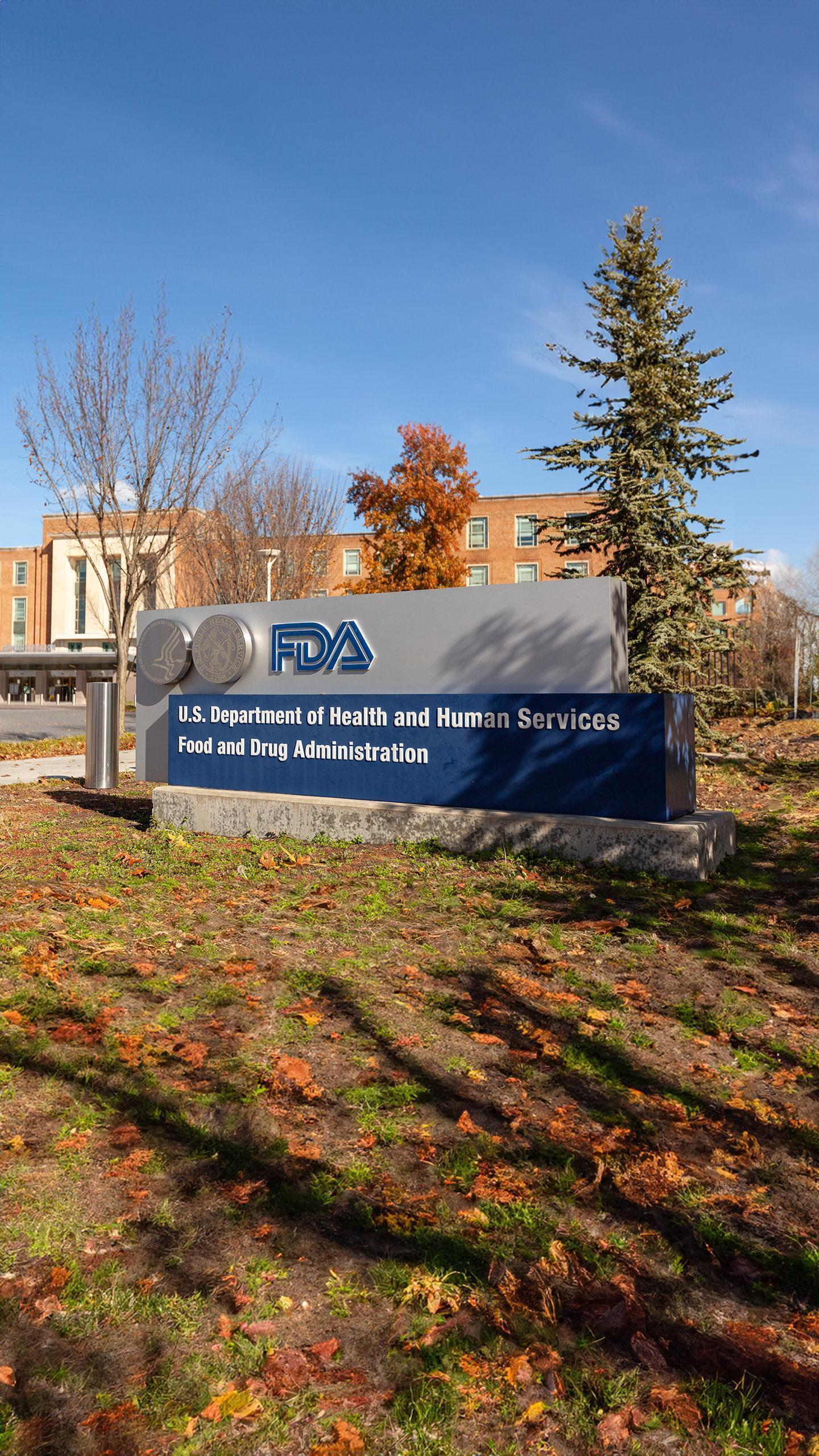
The U.S. Food and Drug Administration (FDA) has approved GAZYVA (obinutuzumab) as the first and only therapy for adult patients with primary membranous nephropathy (pMN) who are at risk of disease progression.
This approval marks a significant milestone for the rare kidney disease community, providing a targeted, disease-modifying treatment option. Primary membranous nephropathy is a rare, chronic autoimmune condition that can lead to irreversible kidney damage, with up to 30% of untreated patients progressing to kidney failure within 10 years. GAZYVA works by targeting B cells, which are a critical underlying driver of the disease. The approval is based on data from the Phase III MAJESTY study, which showed that 36.1% of adults achieved complete remission of proteinuria at two years with GAZYVA, compared to 5.7% with tacrolimus.
Why It's Important?
This FDA approval is critically important for patients suffering from primary membranous nephropathy, a condition with high unmet medical needs. Proteinuria, a key indicator of kidney damage, can now be addressed more effectively, offering a vital goal for maintaining kidney function and preventing serious complications. The availability of GAZYVA provides a new therapeutic avenue that could significantly improve the quality of life for these patients, who often experience fatigue, edema, and substantial physical and emotional challenges. This approval also highlights the ongoing advancements in treating rare kidney diseases, adding to the 13 FDA-approved treatment options for various protein-spilling kidney conditions, thereby impacting healthcare providers, patients, and the pharmaceutical industry.
What's Next?
With GAZYVA now approved, healthcare providers will have a new, targeted treatment option for adult patients with primary membranous nephropathy at risk of disease progression. This will likely lead to changes in treatment protocols and improved patient outcomes. The success of GAZYVA may also encourage further research and development into targeted therapies for other rare autoimmune conditions. The rare kidney disease community will continue to monitor the real-world effectiveness and accessibility of this new treatment, advocating for its integration into standard care. This approval could also stimulate further investment in the development of therapies for rare diseases, potentially leading to more breakthroughs in the future.
Beyond the Headlines
The approval of GAZYVA underscores a broader trend in pharmaceutical development towards highly targeted therapies that address the specific biological mechanisms of diseases. This precision medicine approach is particularly impactful for rare diseases, where conventional treatments may be limited or ineffective. The success of GAZYVA, a B-cell targeting therapy, could pave the way for similar approaches in other autoimmune conditions, potentially transforming treatment paradigms. Furthermore, the economic burden of rare diseases on patients, families, and healthcare systems is substantial, and effective treatments like GAZYVA can alleviate some of this burden by preventing disease progression and reducing the need for more intensive interventions like dialysis or kidney transplantation. This represents a significant step forward in addressing complex medical challenges.