



What's Happening?
Physiotherapy is highlighted as a crucial intervention for managing spinal stenosis, a condition characterized by the narrowing of spaces within the spine that can pressure the spinal cord and nerves.
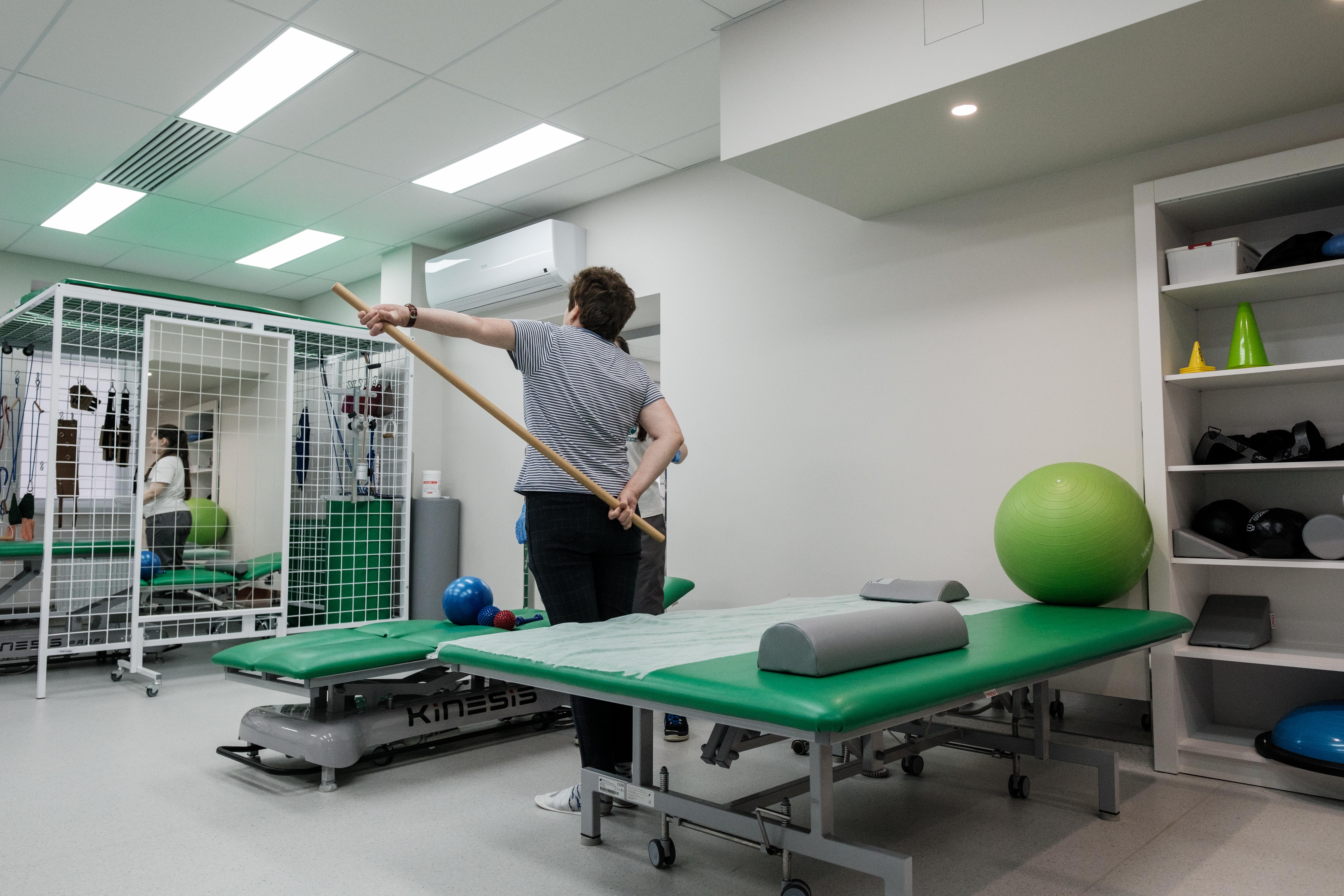
This narrowing often leads to difficulties in everyday movements such as walking, bending, or standing for extended periods. Symptoms can include pain in the lower back or neck, numbness or tingling in limbs, muscle weakness, and pain that may improve when bending forward or sitting. Physiotherapy treatment plans focus on enhancing strength, flexibility, and posture to alleviate strain on the spine. Key approaches involve targeted exercises to strengthen supporting muscles, stretching programs to maintain flexibility in the back, hips, and legs, and posture correction to reduce pressure on the spinal canal. Manual therapy techniques are also employed to improve joint mobility and ease stiffness, alongside activity modification to support safer movement patterns.
Why It's Important?
The importance of physiotherapy for spinal stenosis lies in its ability to significantly improve the quality of life for affected individuals. By addressing the core issues of reduced mobility and increased stiffness, physiotherapy helps patients regain functional independence. The condition, often age-related, can severely limit daily activities, making even simple tasks challenging. Effective physiotherapy can increase mobility and flexibility, reduce stiffness, improve walking tolerance, and strengthen supporting muscles. These benefits are critical for managing symptoms and preventing further progression of the condition, thereby reducing reliance on more invasive treatments. For the healthcare system, proactive physiotherapy can lead to fewer hospitalizations and a decreased need for pain management interventions, contributing to more sustainable patient care.
What's Next?
Individuals experiencing persistent symptoms such as ongoing back or neck discomfort, difficulty standing or walking, numbness or tingling in limbs, or reduced range of motion are advised to seek early assessment from a physiotherapy clinic. During an initial appointment, a physiotherapist will review symptoms, assess movement, strength, and posture, and develop a structured care plan. Ongoing care typically includes guided exercises, movement training, and progress tracking to support gradual improvement. To prevent symptom progression, patients are encouraged to adopt daily habits such as staying active with low-impact exercises, maintaining healthy posture, avoiding prolonged sitting or standing, using proper lifting techniques, and keeping core muscles engaged. These practices aim to reduce strain on the spine and support long-term mobility, helping individuals return to their usual activities.
Beyond the Headlines
The emphasis on physiotherapy for spinal stenosis underscores a broader shift in healthcare towards non-pharmacological and non-surgical interventions for chronic conditions. This approach highlights the body's capacity for self-healing and adaptation through targeted physical interventions. Beyond immediate symptom relief, physiotherapy fosters patient empowerment by providing tools and knowledge for self-management and long-term spinal health. This can lead to a reduction in the societal burden of chronic pain, which often involves significant healthcare costs and decreased productivity. The focus on preventative measures and lifestyle adjustments also promotes a more holistic view of health, encouraging individuals to take an active role in their well-being rather than solely relying on medical interventions after a condition has advanced.