




What's Happening?
Compression garments are essential tools in cancer rehabilitation, specifically designed to manage lymphedema, a condition characterized by swelling due to fluid buildup. These garments, which include
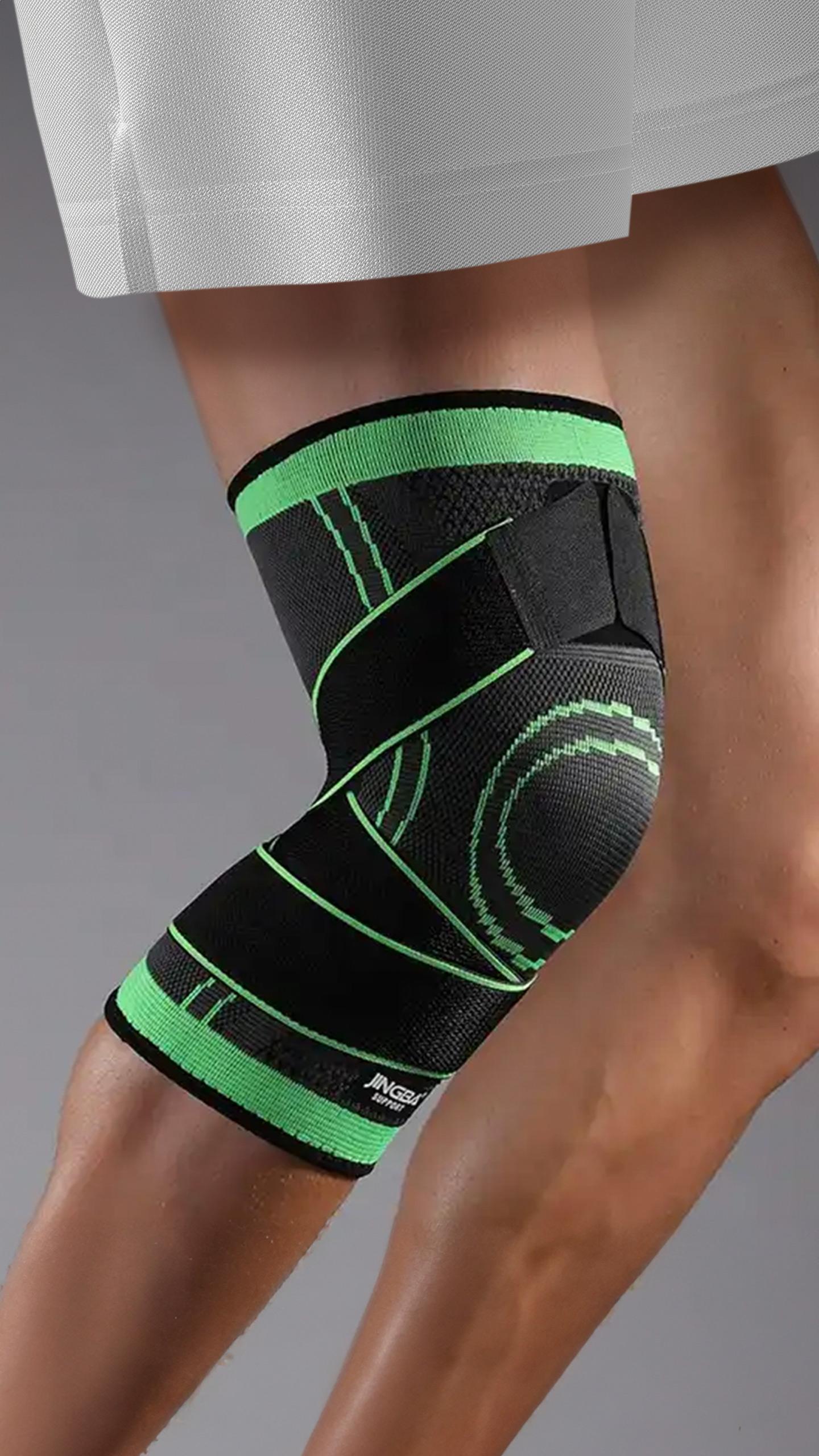
elastic sleeves, gauntlets, stockings, or adjustable wraps, apply graded pressure to a limb, with the tightest pressure at the extremity (e.g., wrist or ankle) and gradually decreasing pressure towards the body. This gradient encourages fluid movement out of the affected limb and limits new swelling. They are not a cure but rather a management tool, working best in conjunction with skincare, exercise, and manual drainage. Lymphedema can occur after cancer treatments like surgery (especially lymph node removal) or radiation, which can damage the lymphatic system. The timing of swelling can vary, appearing weeks, months, or even years after treatment, often triggered by factors such as infection, injury, or significant weight gain. Proper fitting and regular review by a lymphedema-trained clinician are crucial to ensure effectiveness and patient comfort.
Why It's Important?
The effective management of lymphedema through compression garments is vital for cancer survivors, as it significantly impacts their quality of life and long-term health. Unmanaged lymphedema can lead to chronic pain, reduced mobility, skin changes, and increased risk of infections like cellulitis, which can further damage the lymphatic system. By controlling swelling, these garments help maintain limb function, reduce discomfort, and prevent the progression of the condition. This allows individuals to engage more effectively in physical activity, which is now recommended for lymphedema management, as muscle contractions against the garment act as a pump for lymphatic fluid. The ability to manage lymphedema effectively also reduces the burden on healthcare systems by preventing complications and improving patient self-management, thereby fostering greater independence and well-being among cancer survivors.
What's Next?
Ongoing research and clinical practice continue to refine the application and design of compression garments for lymphedema. Patients are advised to maintain regular follow-up appointments with their lymphedema teams to ensure their garments are still appropriately fitted and to address any changes in their condition. Garments typically need replacement every 3 to 6 months due to elastic fatigue, or sooner if there are significant changes in limb size or shape. Future developments may include more advanced materials that offer improved comfort and durability, as well as personalized fitting technologies. Education for both patients and healthcare providers remains a priority to ensure early detection, appropriate intervention, and consistent adherence to lymphedema management protocols, including the correct use of compression therapy.
Beyond the Headlines
Beyond their immediate physical benefits, compression garments play a significant psychological role in the lives of cancer survivors. Living with lymphedema can be emotionally challenging, impacting body image and self-esteem. The consistent use of these garments, while sometimes perceived as a constant reminder of their cancer journey, also provides a sense of control over their condition. The discipline required for daily wear, skincare, and exercise fosters a proactive approach to health management. However, the practicalities of wearing these garments, especially in social or professional settings, can present challenges. Addressing these deeper implications requires a holistic approach to care that includes psychological support and resources to help individuals integrate compression therapy seamlessly into their daily lives, promoting not just physical recovery but also emotional resilience.