


What's Happening?
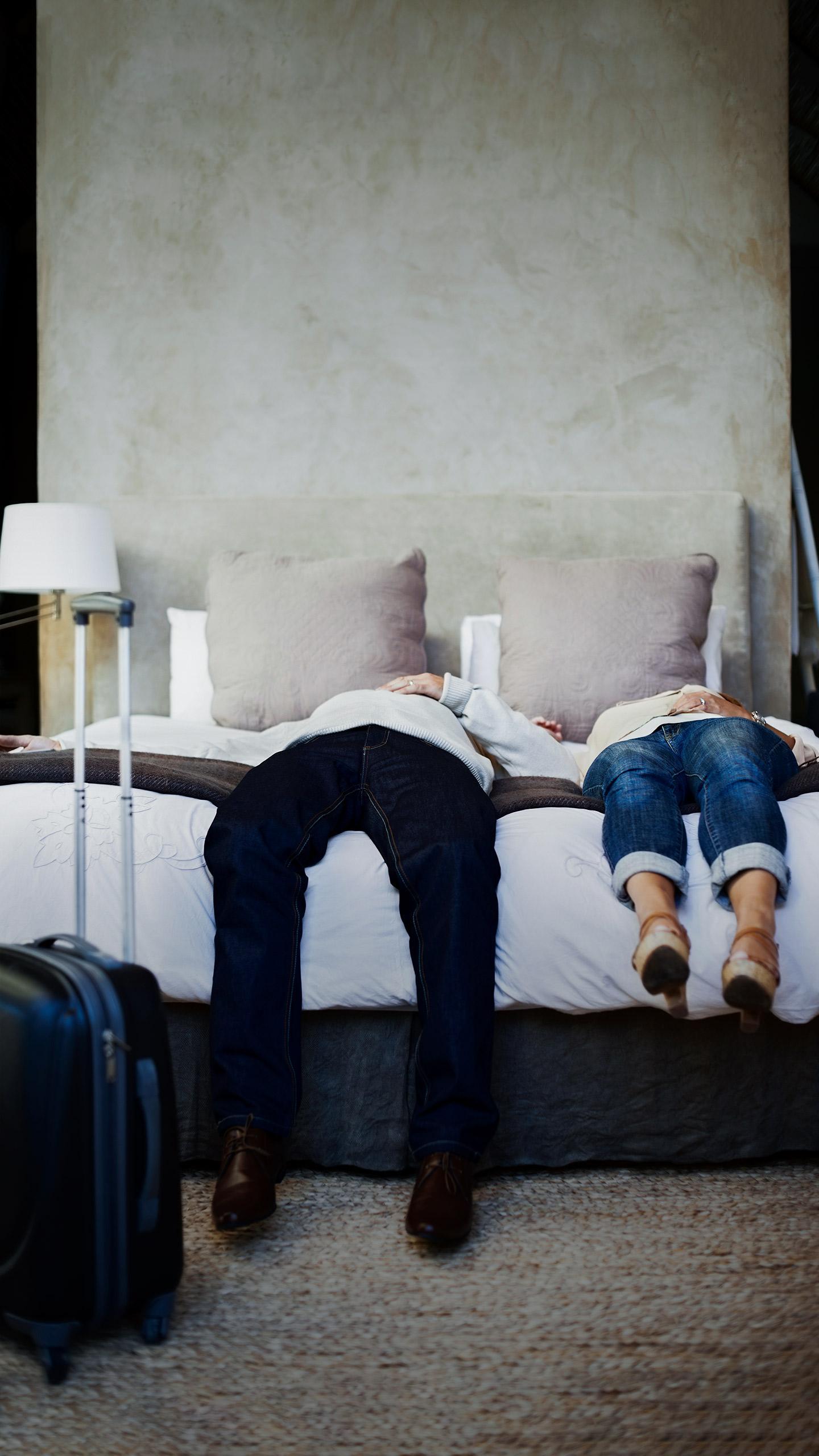
A recent survey commissioned by the American Academy of Sleep Medicine (AASM) indicates that a significant portion of U.S. adults experience worse sleep quality while traveling. Approximately one in four
adults reported sleeping slightly or significantly worse during business travel (23%) and leisure travel (25%). Conversely, about one-third (34%) of adults reported sleeping better during leisure travel, while only 20% said the same for business travel. Dr. Nitun Verma, an AASM spokesperson, noted that unfamiliar sleeping environments, busy schedules, increased stress, and changes in light exposure contribute to these difficulties. Traveling across multiple time zones further complicates sleep due to jet lag, which disrupts the body's internal clock. The survey also highlighted gender differences, with men being twice as likely as women to report better sleep during business travel (28% vs. 13%) and more likely during leisure travel (41% vs. 26%).
Why It's Important?
The findings underscore a widespread issue affecting the well-being and productivity of American travelers. Poor sleep can lead to daytime sleepiness, difficulty concentrating, low energy, reduced patience, and impaired cognitive function, impacting both personal enjoyment during leisure trips and professional performance during business travel. For businesses, this could translate to decreased efficiency and increased health-related issues among employees who travel frequently. The AASM's recommendations, such as maintaining consistent sleep schedules, optimizing sleeping environments, getting natural light exposure, planning for jet lag, and being mindful of caffeine and alcohol intake, offer practical strategies for individuals to mitigate these negative effects. Addressing sleep quality while traveling is crucial for overall public health and economic productivity, as travel is an integral part of both personal and professional life in the U.S.
What's Next?
The AASM continues to advocate for better sleep health and provides resources through sleepeducation.org, including information on accredited sleep centers. Travelers are encouraged to adopt the recommended tips to improve their sleep quality while away from home. This includes proactive measures like gradually adjusting sleep schedules before cross-time zone travel and creating a conducive sleep environment in hotels. The survey results may prompt hotels and travel industries to consider implementing more sleep-friendly amenities and practices to cater to the needs of travelers. Further research could explore the long-term health impacts of chronic poor sleep during travel and the effectiveness of various interventions.
Beyond the Headlines
The survey highlights a broader societal challenge regarding sleep prioritization, even during periods intended for rest or productivity. The disparity in sleep quality between men and women during travel warrants further investigation into potential physiological, behavioral, or societal factors. The emphasis on consistent sleep schedules and environmental control points to the fundamental importance of routine and comfort for human sleep, regardless of location. This issue extends beyond individual discomfort, potentially influencing public safety (e.g., drowsy driving after travel) and the overall quality of life for a mobile population. The findings also subtly reinforce the idea that while technology and modern conveniences facilitate travel, they can also disrupt natural biological rhythms, necessitating conscious efforts to maintain healthy sleep habits.