


What's Happening?
A resident of Washington state has died from avian influenza after exposure to infected dairy cattle in Yakima County, marking the state's first bird flu fatality this year. The individual had underlying
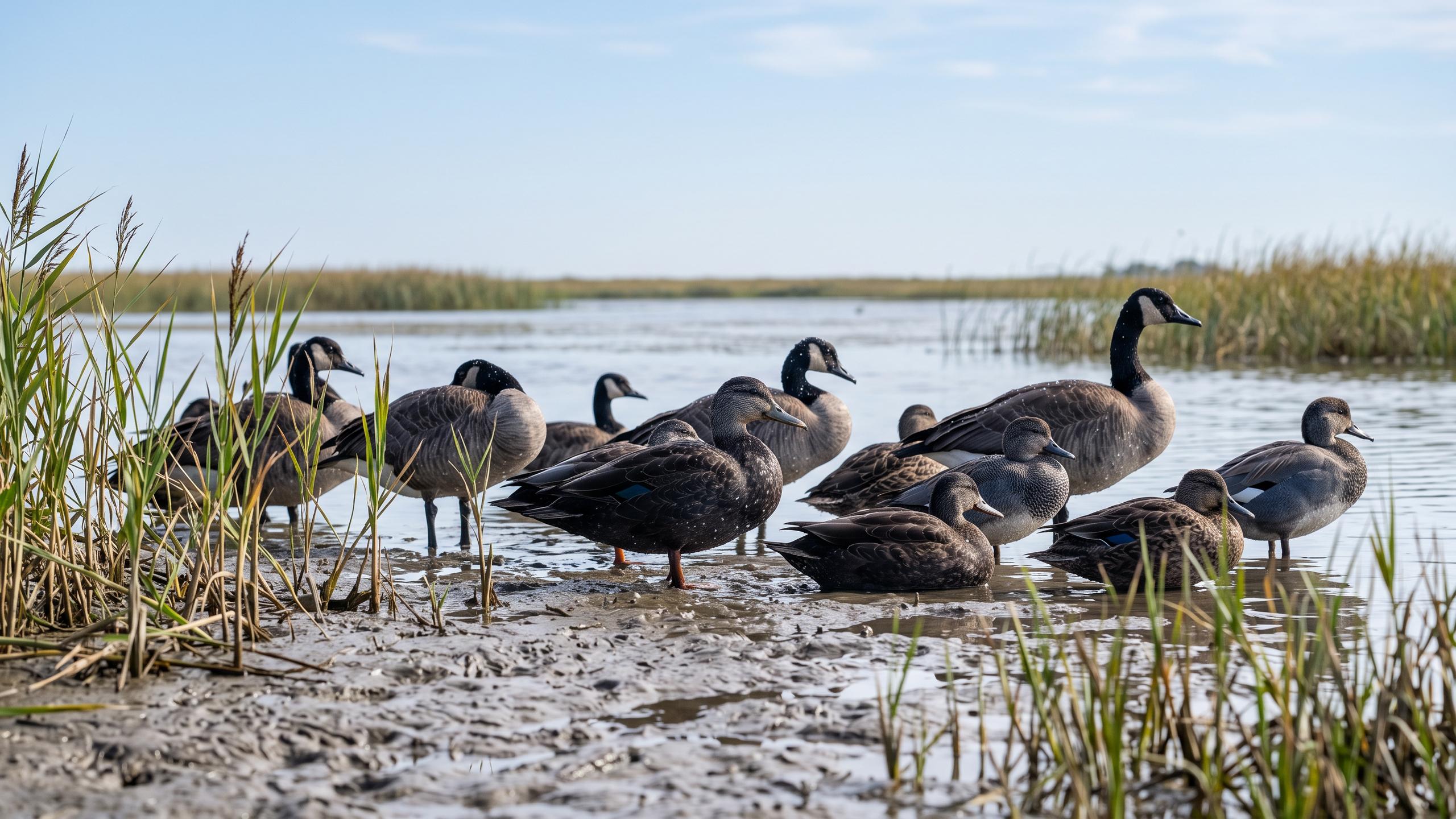
medical conditions. Health officials also confirmed that two other people contracted bird flu from a dairy farm in Yakima County this year, though neither required hospitalization. The Washington State Department of Health noted that this year is the first time avian influenza has spread through dairy herds. The infection pathway is believed to stem from wild bird migration, where infected wild birds or their contaminated surroundings can transmit the virus to cattle. In addition to dairy herds, bird flu cases have been confirmed at a commercial poultry facility in Pierce County and in small, backyard bird flocks across Kittitas County. Despite the spread among livestock and birds, the Centers for Disease Control and Prevention (CDC) reports that human-to-human transmission is extremely rare and has never been documented in the United States, indicating a low health risk for the general public.
Why It's Important?
This first human fatality from bird flu in Washington state highlights the ongoing public health and agricultural challenges posed by avian influenza outbreaks. While the CDC maintains that the risk to the general public is low and human-to-human transmission is rare, the death underscores the potential severity of the virus, particularly for individuals with underlying health conditions. The spread of avian influenza to dairy herds for the first time this year also signifies an evolving threat to the U.S. agricultural sector, potentially impacting dairy production and the broader livestock industry. The United Farm Workers union has raised concerns about a potential undercount of infections among agricultural laborers, citing fears of employer retaliation and immigration enforcement. This suggests that the true scope of human exposure and infection in farm settings might be greater than officially reported, posing a risk to farmworker communities and potentially hindering effective disease monitoring and control efforts. The economic implications for affected farms, including culling of infected animals and implementation of biosecurity measures, could be substantial.
What's Next?
Health officials will likely continue to monitor the spread of avian influenza in both human and animal populations, particularly within agricultural settings. The Washington State Department of Health has already published quarantine zones and requested flock owners to complete an online survey, indicating ongoing surveillance and control efforts. There may be increased scrutiny and calls for enhanced protective measures and training for farmworkers, especially given the concerns raised by the United Farm Workers union regarding underreporting and lack of comprehensive training. Further investigations into the transmission pathways between wild birds, dairy cattle, and humans will be crucial to developing more effective prevention strategies. The agricultural sector may face continued challenges in implementing biosecurity protocols and managing potential outbreaks in dairy and poultry farms. Public health agencies will need to maintain clear communication with the public regarding the risks and necessary precautions, while also addressing the concerns of vulnerable populations like farmworkers.
Beyond the Headlines
The bird flu fatality in Washington state brings to light deeper societal issues, particularly concerning the health and safety of agricultural workers. The United Farm Workers' assertion of a potential undercount due to fear of immigration enforcement and employer retaliation points to systemic vulnerabilities within the agricultural labor force. This situation highlights the ethical imperative to ensure safe working conditions and access to healthcare for all workers, regardless of their immigration status, to effectively manage public health crises. The incident also underscores the complex interplay between wildlife, livestock, and human health, emphasizing the need for a 'One Health' approach that integrates human, animal, and environmental health considerations. The economic pressures on farmers to maintain production, coupled with the costs of implementing stringent biosecurity measures, could lead to difficult decisions and potential impacts on food supply chains. This event serves as a stark reminder of the ongoing threat of zoonotic diseases and the critical importance of robust public health infrastructure, transparent reporting, and equitable access to protective resources for all members of society.