




A Sacred Summit Unveiled
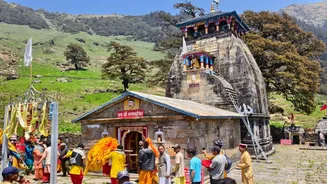
Nestled at an astounding altitude of 3,895 meters, the Yulla Kanda temple in Kinnaur, Himachal Pradesh, has officially reopened its doors to pilgrims.
This sacred site, dedicated to Lord Krishna, is renowned as the world's highest temple of its kind. Its location is further enhanced by the breathtaking glacial Yulla Kanda Lake, which graces the landscape. The arduous journey to reach this spiritual haven is typically inaccessible during the harsh winter months due to heavy snowfall, but with the melting snows, the route is now clear for devotees and trekkers. Local authorities have, however, adjusted the upper base camp accommodations, relocating them approximately two kilometers away from the temple itself to ensure safety and manage the influx of visitors.
Yulla Kanda's Mystical Allure
Yulla Kanda is far more than just a temple; it's a high-altitude sanctuary embraced by towering, snow-capped peaks and verdant alpine meadows. The serene Yulla Kanda Lake adds to its pristine beauty. Local lore deeply connects this sacred place to the epic Mahabharata, suggesting it was a significant site during the Pandavas' exile. This rich historical and spiritual tapestry makes Yulla Kanda a sought-after destination for both religious pilgrims and adventure enthusiasts during the warmer summer periods. Interestingly, the sanctity of Yulla Kanda extends beyond Hinduism; Buddhist lamas also frequent the site to conduct special religious ceremonies, underscoring its universal spiritual appeal.
Echoes of the Mahabharata
Ancient legends whisper that Yulla Kanda holds a profound connection to the Pandava brothers from the Mahabharata. It is believed that during their extensive 14-year period of exile, the Pandavas journeyed through the remote and challenging terrains of the Kinnaur region. According to these tales, they found refuge and established a sacred lake at Yulla Kanda. Further deepening its spiritual significance, it is said that they also erected a shrine here, dedicating it to Lord Krishna, their divine charioteer and guide. This narrative imbues the site with a sense of historical depth and spiritual resonance, drawing those who wish to connect with the ancient epic.
The Floating Cap Ritual
A unique and deeply symbolic ritual awaits visitors at the Yulla Kanda temple, involving traditional Kinnauri caps. Devotees participating in this custom take their caps, intricately crafted from wool, and place them upside down on the surface of the sacred lake. The belief is that if the cap gracefully floats across the lake without succumbing to the water, it is a divine omen signifying the fulfillment of the individual's earnest wishes. Conversely, if the cap absorbs water and begins to sink, it is interpreted as a premonition of forthcoming trials or challenges. This ritual adds a layer of personal interaction and introspection to the pilgrimage experience.