

Sack Selection Insights
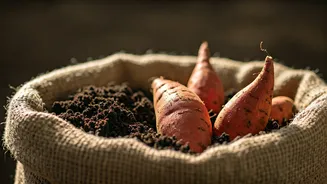
Embarking on the journey of growing sweet potatoes in burlap sacks begins with choosing the right container. For optimal root development and moisture
retention, aim for sacks with a capacity of at least 50 liters. Larger sacks offer more space for roots to expand and can hold onto water more effectively, which is beneficial for the plants. However, it's crucial to balance capacity with manageability; the sack should be easy to move and handle throughout the growing season. The material itself, burlap, is advantageous as it allows for good air circulation around the soil, preventing issues like root rot and promoting a healthier growing environment. Consider the weight of the filled sack to ensure you can reposition it if necessary to capture maximum sunlight or protect it from adverse weather.
Soil Mix Mastery
The foundation of successful sweet potato cultivation in burlap sacks lies in a well-crafted soil mixture. This blend must facilitate excellent drainage while simultaneously retaining enough moisture to sustain the plants. A recommended combination involves a base of quality potting soil, enriched with generous amounts of compost for vital nutrients and organic matter, and a portion of sand to ensure free drainage. Incorporating organic fertilizers further boosts soil fertility, providing the essential elements sweet potatoes need to thrive and produce well-formed tubers. It's imperative to monitor the soil's moisture levels consistently; aim for a damp but not waterlogged state. This delicate balance is key to preventing root diseases and encouraging robust growth. Overly saturated soil can suffocate the roots, hindering nutrient uptake and potentially leading to decay.
Planting Slips Effectively
Once your burlap sack is prepared with the ideal soil mixture, the next step is introducing the sweet potato slips. These are young plants that will grow into your harvest. Gently insert the slips into the soil, ensuring they are planted to a depth of at least six inches. This depth encourages extensive root formation, which is critical for tuber development. Proper spacing within the sack is also vital; avoid overcrowding the slips, as this can lead to competition for resources like light, water, and nutrients, ultimately stunting growth. After planting, water the soil thoroughly to help it settle around the slips, establishing good contact and providing initial hydration to kickstart their growth.
Nurturing Growth Conditions
Maintaining the right environment is crucial for your sweet potatoes to flourish. Consistent watering is key, but avoid the temptation to overwater, as excessive moisture can promote fungal diseases and rot. Water deeply when the top inch of soil feels dry. These plants are sun-lovers, so position your burlap sacks in a location that receives at least six hours of direct sunlight daily. This exposure is essential for photosynthesis, the process by which plants create energy. Temperature also plays a significant role; sweet potatoes thrive in warmth, with an ideal range typically between 18 and 29 degrees Celsius. Monitor the ambient temperature and protect your plants from extreme fluctuations to ensure vigorous development and a healthy crop.
Harvesting Your Bounty
Knowing when and how to harvest your sweet potatoes from burlap sacks can significantly impact your yield. A good indicator of maturity is when the foliage on your plants begins to turn yellow. This signals that the tubers have reached a substantial size. To harvest, carefully use a sharp tool to cut open the burlap sack. Take your time and be gentle to avoid damaging the developing sweet potatoes. Once the sack is open, delicately extract the roots from the soil. The goal is to pull them out with minimal breakage. This careful approach ensures that you maximize your harvest and that the tubers remain intact, ready for storage or immediate consumption. Proper handling during harvest is key to preventing post-harvest losses.