








Weaving Wonders of Kasargod
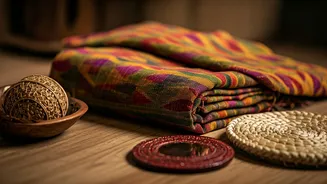
The northern district of Kasargod in Kerala is a hub for a distinct handloom weaving tradition, primarily celebrated for its exquisite cotton sarees. These
garments are characterized by their soft texture and a predominant palette of cream or off-white, accentuated by vibrantly coloured borders. The weaving style emphasizes understated, elegant designs, making these sarees both comfortable for everyday wear and sophisticated enough for special occasions. Artisans in areas like Nileshwaram and Kasargod Town meticulously create these fabrics, continuing a legacy of textile artistry that resonates with simplicity and grace. This craft not only provides beautiful attire but also sustains local communities through its enduring appeal and commitment to quality.
The Mystique of Nettur Petti
The Nettur petti, a traditional Kerala jewellery box, is a testament to the region's intricate woodwork and metal craftsmanship. Recognized by its distinctive pyramid-shaped lid and ornate brass embellishments, this box is typically fashioned from wood and adorned with metal sheets and elaborate locks. Historically, these boxes served as repositories for precious ornaments and valuables, reflecting the wealth and status of their owners. Craftsmanship is concentrated in villages like Nettur and the broader Kozhikode region, where artisans meticulously carve and assemble these decorative yet functional pieces. The Nettur petti embodies a blend of artistry and utility, showcasing a design that is both culturally significant and aesthetically captivating, making it a prized collectible.
Aranmula's Mirrored Brilliance
Hailing from the village of Aranmula, the Aranmula Kannadi, or Aranmula mirror, is a unique marvel of metallurgy, diverging from conventional glass mirrors. These handcrafted mirrors are created using a proprietary alloy, meticulously polished to achieve a remarkably clear reflection. Their value extends beyond their reflective quality; they hold deep traditional and cultural significance in Kerala. The process of their creation is a closely guarded secret, passed down through generations of artisans in Aranmula village. The Parthasarathy Temple area is particularly associated with this craft. These mirrors are not merely functional objects but are considered auspicious and are often used in religious ceremonies and as decorative pieces, symbolizing purity and clarity.
The Art of Screw Pine Weaving
Screw pine weaving is a venerable and enduring craft form deeply rooted in Kerala's artisanal landscape. The process involves harvesting the leaves of the screw pine plant, which are then carefully dried and transformed into a versatile weaving material. This technique results in a range of durable and breathable products, including mats, straw hats, household linens, and practical carry bags. The natural properties of the screw pine leaves lend themselves to items that are both sturdy and aesthetically pleasing, ideal for daily use. Key centres for this craft include Thazhava in Kollam, Kottapuram in Thrissur, and various villages in Kottayam, highlighting its widespread practice and importance to local economies.
Banana Fibre Creations
The abundance of banana plantations in Kerala provides a unique raw material for a distinct craft: banana fibre handicrafts. Artisans process the trunks of banana plants to extract fine, natural fibres. These fibres are then skillfully woven into a variety of products, including elegant table mats, stylish bags, and decorative wall hangings. The resulting items are notable for their lightweight nature and eco-friendly characteristics, embodying a commitment to sustainable crafting practices. The Sargaalaya Kerala Arts & Crafts Village and specific clusters in Thiruvananthapuram and Kottayam are significant sites for this innovative use of natural resources, showcasing how agricultural by-products can be transformed into beautiful and functional art.
Lacquer Wire Work
Lacquer wire work is a captivating craft that artfully merges the tactile qualities of wood with the decorative sheen of metal. Artisans meticulously apply polished layers of lacquer to wooden bases, creating a smooth and vibrant surface. This is then intricately embellished with decorative metal detailing, often in the form of wirework, adding both texture and visual interest. The outcome is a collection of home décor items that exude a rustic charm enhanced by sophisticated finishing. This technique is practiced in areas like Ernakulam and Mattancherry, with significant displays found in institutions such as the Kerala Folklore Museum, showcasing the craft's ability to produce pieces that are both striking and enduringly beautiful.
Kathakali Mask Artistry
Inspired by the vibrant and dramatic narrative of Kerala's renowned classical dance-drama, Kathakali, mask painting is a fascinating art form. These expressive masks are meticulously crafted using paper and natural adhesives, forming the base for their creation. Artisans then paint them with bold colours and intricate details, capturing the essence of the characters depicted in Kathakali's mythological tales. The masks are designed to be highly emotive, with exaggerated features and striking palettes that reflect the personalities and roles of the performers. Key locations for this art include Vellinezhi in Palakkad and the Sargaalaya Kerala Arts & Crafts Village, where the tradition is kept alive through dedicated practitioners.