


The Taste of New Beginnings
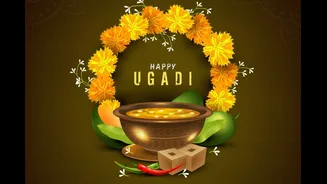
Ugadi, the Telugu and Kannada New Year, arrives on March 19th, 2026, marking a time of fresh starts across Andhra Pradesh, Telangana, and Karnataka. Homes
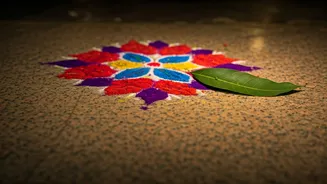
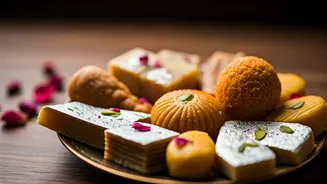
are adorned with auspicious mango leaves and vibrant rangoli, while the aroma of festive cooking fills the air. As families gather for Panchanga Shravanam, the traditional recitation of the almanac to predict the year ahead, the preparation of special sweets takes center stage. These confections are more than just treats; they are culinary expressions of life’s journey, embracing its myriad experiences. Crafted according to age-old traditions, these sweets are believed to bring prosperity and joy for the upcoming Parabhava Nama Samvatsara. The excitement builds as kitchens transform into hubs of culinary creativity, getting ready to produce these beloved delicacies that are central to the festival’s spirit, promising a delicious start to the year ahead and embodying the festival’s core values.
Ugadi Pachadi: A Symphony of Flavors
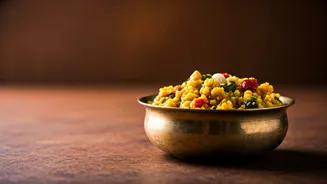
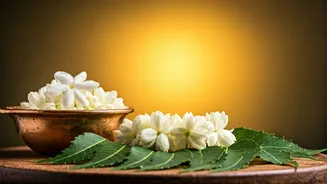
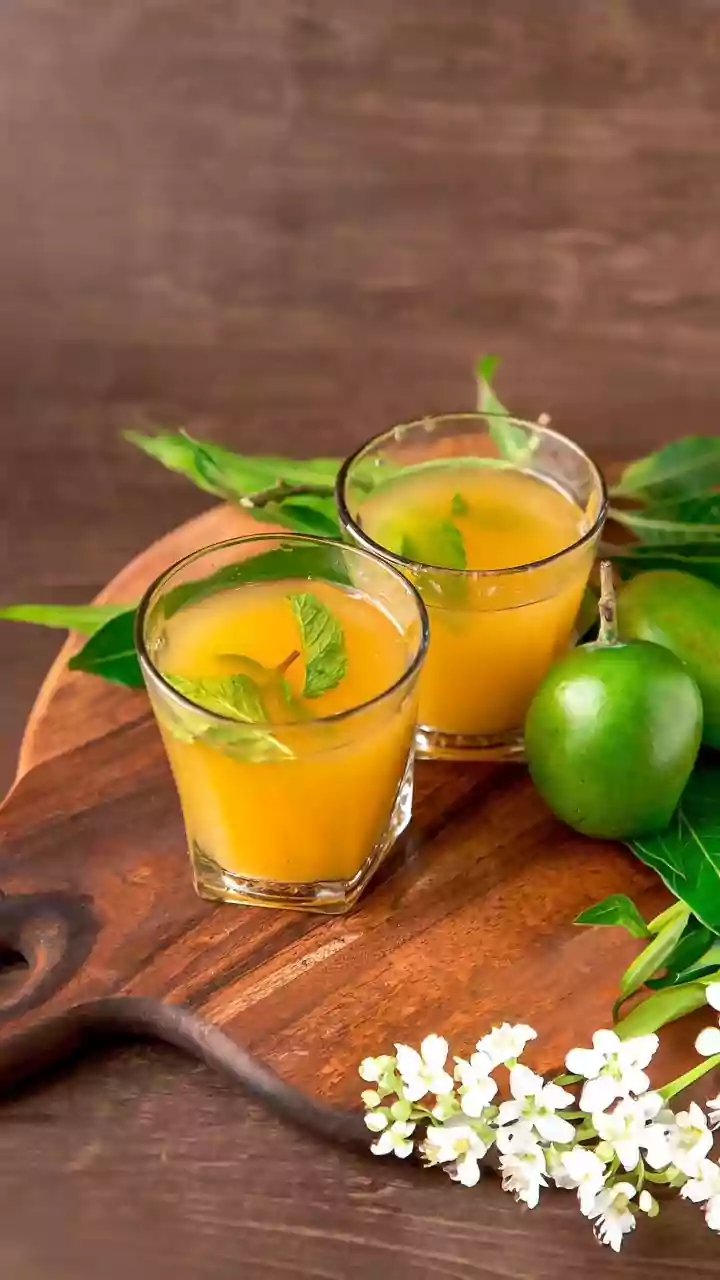
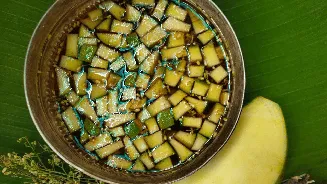
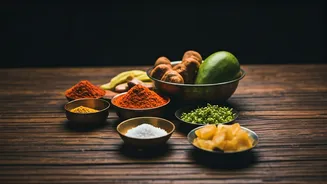
Ugadi Pachadi is the quintessential opener for any Ugadi feast, an artful blend of six distinct tastes: sweet, sour, salty, bitter, pungent, and astringent. This vibrant relish serves as a profound metaphor for the diverse experiences life offers, setting a philosophical tone for the year. Prepared fresh using ingredients like neem flowers and raw mango, it perfectly encapsulates the festival’s theme of embracing both the joys and challenges of the coming months. To create this unique dish, you’ll need tamarind pulp (2 tbsp), grated jaggery (¼ cup), finely chopped raw mango (2 tbsp), neem flowers (1 tsp), black pepper powder (¼ tsp), and salt to taste. The process involves soaking tamarind to extract its pulp, dissolving the jaggery in a small amount of water, and then combining these with the chopped mango, neem flowers, pepper, and salt. After a brief resting period of about 10 minutes, the Pachadi is ready to be served, inviting guests to partake in its complex yet harmonious flavors.
Obbattu (Holige): Golden Filled Pancakes
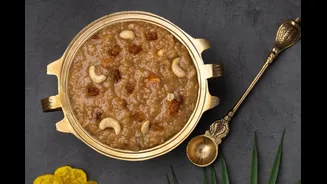
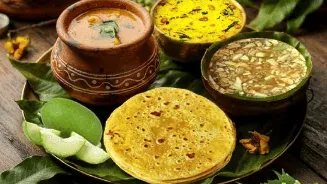
A cherished specialty from Karnataka, Obbattu, often referred to as Holige, is a celebratory delight consisting of soft, golden flatbreads generously filled with a rich mixture of cooked chana dal and jaggery. These sweet pockets are typically finished with a drizzle of ghee, offering a melt-in-your-mouth experience that speaks of festive indulgence. While its creation requires a degree of patience, the reward is immense: flaky layers encasing a sweet, aromatic filling infused with cardamom. The dough is prepared with 1 cup of maida, a pinch of turmeric, ¼ cup of oil, and a pinch of salt, requiring kneading into a soft consistency and then resting for at least two hours. For the luscious filling, 1 cup of cooked chana dal is mashed with 1 cup of jaggery and ½ cup of grated coconut, creating a thick ‘poornam’. This filling is then encased within small balls of dough, flattened thinly, and cooked on a tawa with ghee until beautifully golden on both sides, making it a truly opulent treat.
Mysore Pak: A Ghee-Laden Delight
Mysore Pak stands out as a beloved sweet that graces Ugadi tables with its distinctive porous texture, thoroughly infused with ghee. This rich confection is meticulously crafted from gram flour (besan), sugar, and a generous amount of ghee, resulting in a fudgy delight that crumbles exquisitely. Its luxurious texture and deep flavour evoke the royal culinary heritage of South India. The beauty of Mysore Pak lies in its apparent simplicity, yet achieving its signature consistency requires precision. The key ingredients include 1 cup of sieved besan, 1½ cups of sugar, 1½ cups of ghee, and ½ cup of water. The preparation involves boiling sugar and water until it reaches a one-string syrup consistency. Sieved besan is then gradually added to the syrup over low heat, with constant stirring. Hot ghee is poured in streams while continuously mixing until the mixture becomes frothy and starts to pull away from the sides of the pan. This luscious mixture is then transferred to a greased tray and cut into pieces while still warm, ensuring the characteristic melt-in-your-mouth quality.
Poornam Boorelu: Crispy Outer, Sweet Core
From the kitchens of Andhra Pradesh comes Poornam Boorelu, a delightful sweet that offers a satisfying textural contrast. Each bite reveals a crisp, golden exterior that gives way to a molten core of sweet chana dal and jaggery filling. The magic is amplified by the batter used: a fermented blend of rice and urad dal, which is expertly coated around the sweet filling before deep-frying. This popular naivedyam (offering) is a true festival favourite, tempting all with its crunchy exterior and the sweet surprise hidden within. To prepare the batter, 1 cup of rice and ½ cup of urad dal are soaked and then ground together to a dosa-like consistency, followed by fermentation. The poornam is made by cooking and mashing 1 cup of chana dal with 1 cup of jaggery and a touch of cardamom. Balls of this sweet filling are then dipped into the fermented batter and deep-fried until they achieve a beautiful golden hue, presenting a truly festive and delectable treat.