






Oleander: A Fragrant Hazard
Oleander (Nerium oleander) is an evergreen shrub celebrated for its abundant, fragrant flowers in shades of pink, red, and white, and its glossy, lance-shaped
leaves, making it a popular choice for balconies to add year-round colour. However, every part of this plant is laden with dangerous cardiac glycosides, most notably oleandrin. These compounds can profoundly disrupt the heart's rhythm. Ingesting even a single leaf can lead to severe symptoms such as nausea, vomiting, an irregular pulse, and, in critical cases, fatal arrhythmias, particularly in children and pets. Furthermore, inhaling the smoke from burning oleander branches can irritate the eyes and respiratory system. Extreme caution is advised when handling this plant, and it should be kept well out of reach of curious hands and paws.
Datura's Delirious Charm
Datura, also known as Dhatura, possesses an enchanting allure with its large, trumpet-shaped flowers, which can be white or purple, resembling exotic lanterns. These bloom amidst soft, fuzzy leaves, giving it a mystical appearance that's often found in gardens. The plant is rich in tropane alkaloids, potent compounds that can cause severe poisoning if any part is ingested. Consuming the seeds, leaves, or flowers can trigger a cascade of frightening symptoms, including delirium, vivid hallucinations, a parched mouth, a racing heartbeat, and potentially life-threatening respiratory failure. Astonishingly, the ingestion of just a few seeds can be enough to require hospitalization. The seemingly sweet facade of Datura hides a powerful anticholinergic poisoning that can persist for days, making it a plant best avoided entirely, especially indoors.
Dieffenbachia's Swelling Threat
Dieffenbachia, commonly called Dumb Cane, is a striking upright plant recognized for its bold leaves, often adorned with speckled patterns of green and white. It provides a dramatic, tropical aesthetic, flourishing even in dimly lit spaces. The danger of this plant lies within its sap, which contains insoluble calcium oxalate crystals. Should these crystals come into contact with skin or mucous membranes, or if the plant is chewed, they cause immediate and intense burning sensations in the mouth. This can lead to significant swelling of the tongue and throat, excessive drooling, vomiting, and difficulty speaking, which explains its ominous nickname. Contact with the eyes can result in temporary blindness. While it thrives in low-light conditions, it poses a significant risk to households with inquisitive toddlers or pets that tend to nibble on plants.
Caladium's Vivid Warning
Caladiums are renowned for their spectacular, heart-shaped leaves, which present a dazzling display of electrifying pinks, vibrant reds, and rich greens, often enhanced by delicate silvery veins. These plants create a fireworks-like visual impact and are ideal for adding bold accents to shaded indoor areas. However, the very oxalates that give them their striking appearance also pose a threat. If bitten or chewed, these oxalates provoke severe irritation in the mouth, leading to swelling, nausea, and breathing difficulties. The juicy stems can be particularly tempting to children. Although Caladiums are low-maintenance and thrive in humid environments, their vivid beauty necessitates careful placement away from children's play areas to prevent accidental ingestion and the resulting oral distress.
Peace Lily's Silent Danger
The Peace Lily (Spathiphyllum) offers an elegant aesthetic with its distinctive white spathes, which gracefully arch over dark green leaves, resembling the form of calla lilies. Beyond its visual appeal, it's known for its air-purifying qualities and adds a touch of poise to spaces like bathrooms. However, like Dieffenbachia and Caladium, it contains insoluble calcium oxalates. Chewing on its leaves or stems triggers immediate oral pain, excessive salivation, and swelling of the lips. Repeated exposure can exacerbate throat inflammation. Pet owners should be particularly cautious, as cats are susceptible to kidney issues from ingesting Peace Lilies. Despite its charming presence and air-cleaning reputation, safer alternatives for improving indoor air quality exist if household safety is a concern.
Lantana: Berries of Concern
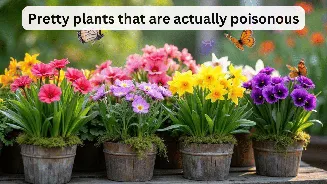
Lantana is a vibrant flowering bush, often grown in pots, that provides continuous blooms. Its flower clusters are a spectacle of changing colours, transitioning from orange to pink to red, and they attract a host of butterflies. While its continuous blooming and colourful display are attractive, the plant's unripe berries and leaves contain triterpenoids, which are toxic compounds. Ingesting these parts can lead to symptoms such as vomiting, lethargy, a weakened pulse, and, in more severe cases, liver failure. The green, unripe berries pose the greatest risk, especially to pets. Lantana thrives in sunny conditions and is visually appealing, but its tempting berries necessitate close supervision to prevent accidental consumption and the associated health risks.