






Sundarbans: Vast & Elusive
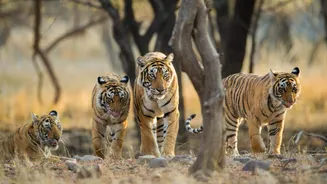
While the Sundarbans National Park is globally renowned for its unique mangrove ecosystem and as the home of the majestic Royal Bengal Tiger, many visitors
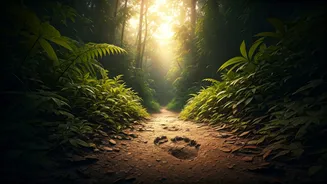
find wildlife spotting an arduous task. The sheer immensity of the park coupled with its dense foliage means that animals are scattered across a broad area, making chance encounters infrequent. Even during the optimal visiting period from November to February, when the climate is more pleasant, guaranteed sightings remain elusive. The challenging terrain and the distributed nature of the fauna can lead to a less thrilling experience for those anticipating frequent animal encounters.
Bandipur: Dense Forest Challenges
Bandipur National Park is frequently promoted as a premier location for observing wildlife, especially its elephants and tigers. However, the dense forest cover often presents a significant obstacle to clear visibility, making it challenging to spot animals. While the summer months are suggested for better viewing as animals tend to gather near water sources, the success of these sightings is still largely a matter of chance. The thick vegetation can obscure views, and the elusive nature of the animals means that a visit might not yield the consistent sightings that visitors often expect.
Periyar: Crowds Diminish Calm
Periyar Wildlife Sanctuary, celebrated for its scenic lake and plentiful elephant sightings, often suffers from overwhelming tourist numbers. This high volume of visitors can disrupt the tranquil atmosphere, leading to noise and activity that may disturb the animals' natural behavior. The resulting commotion can ironically decrease the likelihood of observing wildlife in its undisturbed state. For a more serene experience and a better chance of encountering animals, visiting during less popular, off-peak seasons is highly recommended.
Kaziranga: Elephant Encounters Limited
Kaziranga National Park is a must-visit for its iconic one-horned rhinoceroses, but many also flock there with hopes of close elephant encounters. Although the park boasts a healthy elephant population, their tendency to migrate across the park's extensive grounds means sightings are not always guaranteed. The winter season, from November to February, is considered the best time to visit as improved visibility due to sparser foliage enhances viewing opportunities. However, even during this period, the chance of seeing elephants can be unpredictable.
Jim Corbett: Monsoon Closures
Jim Corbett National Park is renowned for its rich biodiversity, including tigers and leopards, drawing many nature enthusiasts. A significant drawback, however, is its annual closure for safaris during the monsoon season, typically from June to September. This period is marked by the risk of floods and landslides, rendering the park inaccessible. Such extended closures considerably restrict visitor access and can disrupt travel plans, making it difficult for tourists to incorporate this popular destination into their itineraries during certain times of the year.