







New Hope for Diabetics
A groundbreaking study has unveiled a potential dual benefit for individuals managing diabetes and obesity: GLP-1 receptor agonist medications, such as those
containing semaglutide and liraglutide, appear to offer a significant reduction in the risk of developing certain mental health conditions. Traditionally recognized for their efficacy in blood sugar control and weight management, these drugs are now showing promise in mitigating the burden of depression, anxiety, and even suicidal ideation among high-risk diabetic patients. The research indicates that those prescribed these medications experienced fewer psychiatric hospitalizations, less time taken off work due to mental illness, and a lower incidence of death by suicide. This is particularly significant given that people with diabetes are known to face a substantially higher risk of depression and anxiety compared to the general population, underscoring the potential of these therapies to address a critical unmet need in patient care.
Semaglutide's Strong Impact
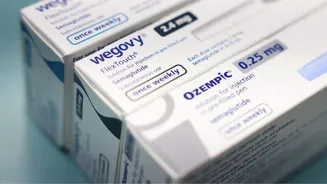
The comprehensive analysis, drawing from Swedish national registers between 2009 and 2022 and encompassing over 95,000 participants diagnosed with depression or anxiety, highlighted semaglutide – the active ingredient in Ozempic – as a standout performer. This particular GLP-1 drug was associated with a remarkable 42 percent reduction in the risk of mental health deterioration. More specifically, it correlated with a 44 percent lower risk of depression worsening, a 38 percent decrease in anxiety worsening, and a substantial 47 percent reduction in the risk of substance use disorder worsening. In contrast, liraglutide, another GLP-1 medication available under different brand names for diabetes and weight management, demonstrated an 18 percent lower risk of worsening mental health, a beneficial but less pronounced effect. It's worth noting that other GLP-1 drugs like exenatide and dulaglutide did not exhibit these same positive mental health associations in the study.
Battling Addiction and Cravings
Beyond their impact on mood disorders, GLP-1 medications are also being investigated for their potential in combating addiction and substance use disorders. Emerging research suggests that these drugs may not only help prevent but also treat conditions related to substance abuse. Anecdotal reports and observational studies indicate that individuals taking these medications have experienced a diminished interest in substances like alcohol and nicotine, extending beyond just reduced food cravings. Previous findings have pointed to a lower risk of alcohol and cannabis use disorders, as well as reduced instances of opioid overdose and alcohol-related hospitalizations. Specifically, a study published in The BMJ indicated a 14 percent lower overall risk of developing any substance use disorder among GLP-1 drug users. Delving deeper, the risk of alcohol use disorder decreased by 18 percent, cannabis use disorder by 14 percent, cocaine and nicotine use disorders by 20 percent, and opioid use disorder by an impressive 25 percent.