





Understanding Ashtanga Ayurveda
Ashtanga Ayurveda, rooted in ancient Indian traditions, represents a complete medical system. It encompasses eight key branches, each devoted to a specific
aspect of health and wellness. This holistic approach views the body, mind, and spirit as interconnected entities. The initial branches focus on the diagnosis and treatment of diseases, while the later ones promote longevity and overall well-being. Recognizing the balance within the body is fundamental to Ayurveda. It also involves the incorporation of herbal remedies, dietary adjustments, and lifestyle modifications. Through the use of this comprehensive system, individuals can achieve harmony and maintain vitality, as the branches of Ashtanga Ayurveda offer a profound pathway to health and longevity.
The Four Key Branches
The concluding branches of Ashtanga Ayurveda provide a deeper understanding of holistic health. The first of these is Rasayana Tantra, which revolves around rejuvenation therapies. Rasayana focuses on slowing down the aging process and boosting vitality through the use of herbs, diet, and lifestyle practices. Next is Vajikarana Tantra, which concentrates on reproductive health and fertility. This branch provides guidance for optimizing sexual health, promoting healthy progeny, and overall sexual wellness. Then there is Graha Chikitsa, which specializes in managing psychological and emotional well-being. It seeks to balance the mind and emotions and address spiritual aspects. Finally, Agada Tantra (Toxicology) centers on managing and neutralizing the effects of poisons and toxic substances. This branch, in the modern context, deals with environmental toxins and chemical exposure, offering detoxifying therapies.
Rasayana: Rejuvenation Explained
Rasayana Tantra stands as a cornerstone in Ashtanga Ayurveda, focusing on rejuvenation to enhance both longevity and vitality. The core concept behind Rasayana is to replenish the body's tissues and promote overall health. This approach includes the use of herbal formulations, dietary adjustments, and lifestyle practices tailored to individual needs. Specific herbs like Ashwagandha and Amalaki are used because of their rejuvenating properties. Dietary changes that are implemented involve consuming fresh, wholesome foods that are easy to digest and rich in nutrients. Furthermore, Rasayana encourages a balanced lifestyle, including regular exercise, sufficient sleep, and stress-reduction techniques. Rasayana is a holistic approach, it promotes both physical and mental well-being, helping individuals to age gracefully and maintain a high quality of life.
Vajikarana: Reproductive Health
Vajikarana Tantra, another critical branch, deals with reproductive health and fertility. This branch offers insights into optimizing sexual health, enhancing reproductive capabilities, and supporting the creation of healthy offspring. Vajikarana encompasses a range of practices, including herbal treatments, dietary recommendations, and specific lifestyle modifications. Dietary advice encourages consuming foods that are known to improve reproductive health. Herbal formulations like Shilajit and Safed Musli are often incorporated to enhance vitality and promote reproductive function. Lifestyle adjustments involve managing stress, maintaining a healthy weight, and practicing regular exercise. Vajikarana aims to harmonize the reproductive system. This branch provides a pathway to overall well-being and a fulfilling life through balanced sexual health and fertility.
Graha Chikitsa: Emotional Wellbeing
Graha Chikitsa addresses the complexities of mental and emotional health within Ashtanga Ayurveda. It is an exploration of the psychological and emotional elements. This branch provides methods to balance the mind and emotions, addressing spiritual aspects. Graha Chikitsa recognizes the influence of mental and emotional imbalances on overall health. This branch provides herbal remedies, meditation practices, and lifestyle modifications tailored to individuals. Ayurvedic herbs such as Brahmi and Jatamansi are often used to calm the mind and reduce stress. Furthermore, Graha Chikitsa integrates practices like yoga, meditation, and mindfulness to help individuals manage their emotional states. By integrating body, mind, and spirit, Graha Chikitsa contributes to comprehensive well-being and a greater understanding of the self.
Agada Tantra: Detoxification Insights
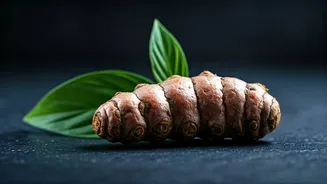
Agada Tantra (Toxicology), the final branch, focuses on managing the effects of poisons and toxins. It includes a modern perspective on environmental toxins. Agada Tantra provides strategies to identify and neutralize the effects of poisons, promoting detoxification and health restoration. This involves the use of herbal antidotes, dietary adjustments, and specific detoxification practices. Ayurvedic herbs, such as neem and turmeric, possess detoxifying properties and are used to eliminate harmful substances from the body. Dietary recommendations emphasize consuming foods that support liver function and promote detoxification. Practices such as Panchakarma, a traditional Ayurvedic cleansing process, are often used to eliminate toxins from the body. Through understanding and applying the principles of Agada Tantra, individuals can protect themselves from environmental harm and support their overall health.