





Seed Selection Essentials
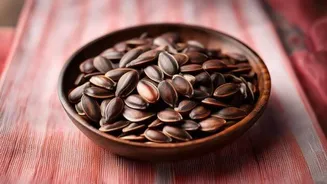
Embarking on your tulsi microgreen journey begins with choosing superior seeds. Opt for certified organic tulsi seeds from trusted suppliers to guarantee
they are cultivated without harmful pesticides or artificial treatments. This commitment to organic sourcing not only nurtures healthier plants from the outset but also significantly enhances the final taste and boosts the overall nutritional profile of your harvest. Always inspect the seed packaging for clearly stated germination rates and an expiry date; these indicators are crucial for ensuring the viability and potency of your seeds, setting the stage for a thriving crop and a truly rewarding growing experience.
Nurturing Growing Medium
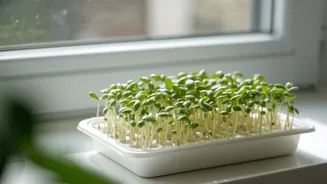
The foundation for flourishing tulsi microgreens rests upon a meticulously prepared growing medium. A balanced blend of high-quality potting soil, nutrient-rich compost, or absorbent coconut coir provides the ideal environment. This combination ensures that your seedlings receive essential nourishment while also benefiting from excellent drainage, preventing root rot. Populate shallow planting trays with approximately one inch of this prepared mixture, smoothing it into an even surface before scattering your seeds. A gentle, initial misting of the soil is recommended to establish consistent moisture, ensuring the soil is damp but never saturated, creating optimal conditions for germination.
Precise Seed Sowing
Achieving a successful harvest hinges on the precision of your seed sowing technique. Distribute the tulsi seeds uniformly across the prepared soil surface, making certain there's adequate spacing between them. Overcrowding can hinder growth and lead to weaker plants. After spreading, gently press the seeds into the soil using your fingertips or a flat tool. It's important not to bury them completely, as tulsi seeds require light exposure to initiate the germination process. Once sown, a light misting of water over the seedbed will help settle them and provide the necessary initial hydration for sprouting.
Optimal Growth Conditions
Tulsi microgreens flourish best when provided with a carefully managed environment. They require ample indirect sunlight; if your home lacks sufficient natural light, consider using dedicated grow lights to supplement. Maintaining a consistent level of moisture is paramount. Regular misting throughout the day is recommended, but it's equally crucial to manage water levels to prevent waterlogging. Ensure your trays have adequate drainage to allow excess water to escape after each watering, fostering a healthy root system and preventing fungal issues that can compromise your crop.
Timing Your Harvest
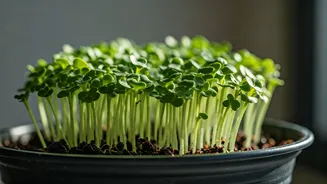
The moment of harvest is critical for maximizing the flavour and nutritional potency of your tulsi microgreens. Patience is key; wait until the sprouts have reached a height of approximately two inches and have developed their first set of true leaves. These indicators signal that the microgreens are at their peak. Employ sharp, clean scissors or shears to cut the greens precisely at the soil level. This careful harvesting method ensures you obtain the freshest possible sprouts, ready to add a burst of aromatic flavour and healthful benefits to your culinary creations.