






The 2026 Date
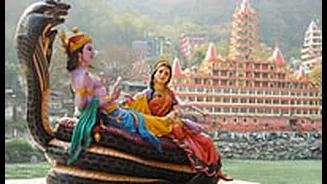
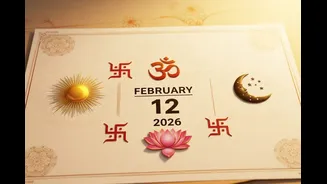
In the year 2026, the auspicious occasion of Vijaya Ekadashi is set to be observed on Friday, February 13th. This important fast, dedicated to Lord Vishnu,
aligns with the Krishna Paksha of the Phalguna month. Panchang calculations indicate that the Ekadashi Tithi commences at 12:22 PM on February 12th and concludes at 2:25 PM on February 13th. Given that the Ekadashi Tithi will be present at sunrise on February 13th, devotees are advised to undertake their fast on this Friday. Hindu timekeeping traditions determine the day based on sunrise, a practice that influences the adherence to tithis for fasting, sometimes leading to discrepancies with the standard Gregorian calendar's midnight-to-midnight day structure.
Breaking the Fast
The crucial ritual of 'Parana,' which signifies the breaking of the Ekadashi fast, is scheduled for the following day, Saturday, February 14th, during the Dwadashi tithi. The most propitious window for performing Parana is between 7:00 AM and 9:14 AM. The Dwadashi tithi extends further, lasting until 4:01 PM on the same day. Ancient scriptures strongly recommend against breaking the fast during 'Hari Vasara,' the initial segment of the Dwadashi tithi, emphasizing early morning hours as the ideal time. Should circumstances prevent breaking the fast within this preferred morning slot, it can be done later, but it is imperative not to delay beyond the conclusion of the Dwadashi tithi.
Observing the Vrat
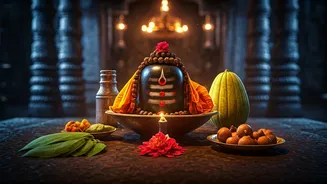
The observance of Vijaya Ekadashi entails a disciplined yet spiritually fulfilling routine designed to foster devotion and inner peace. The day begins with an early morning ritualistic bath, followed by a solemn vow to undertake the fast with sincerity. Devotees then proceed to worship Lord Vishnu, offering sacred items such as flowers, incense, and tulsi leaves, while lighting lamps. Many find solace and spiritual connection by reciting the Vishnu Sahasranama, listening to the sacred Ekadashi vrat katha, or chanting Vishnu mantras throughout the day. During the fast, consumption of grains, pulses, rice, and lentils is strictly avoided. While those observing an absolute fast may abstain from food entirely, subsisting only on water, others opt for a diet comprising fruits and milk. The day is ideally dedicated to prayer, silent contemplation, acts of charity, and deep spiritual reflection, fostering a sense of self-control and connection with the divine.
The Power of Victory
The profound significance of Vijaya Ekadashi is deeply embedded in ancient Hindu texts, notably through the narrative of Vakdalbhya Muni and Lord Rama. It is widely believed that observing this Ekadashi before his epic journey to Lanka was instrumental in Lord Rama's ultimate victory over the formidable demon king Ravana. Symbolically, Vijaya Ekadashi represents the triumph over personal challenges, including fear, self-doubt, and inner weaknesses. Many individuals facing prolonged adversities, complex legal battles, career uncertainties, or emotional turmoil observe this fast, not as a magical solution, but as a means to cultivate resilience, mental clarity, and inner fortitude. While householders typically observe the fast on the primary Ekadashi day, certain traditions may guide ascetics or those seeking spiritual liberation to observe an alternate Ekadashi. Ultimately, Vijaya Ekadashi is less about rigid adherence to external rituals and more about cultivating conscious discipline, promoting mental equilibrium, self-restraint, and unwavering faith in one's journey of gradual progress and spiritual growth.