




Fat Content Breakdown
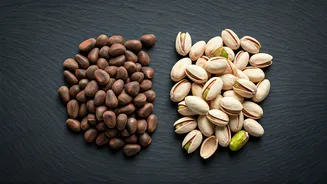
When scrutinizing the fat content, pine nuts emerge as the richer source, with approximately 68% of their weight attributed to fats. These are predominantly
heart-healthy monounsaturated fats. Pistachios, on the other hand, contain about 45% fat, also largely beneficial but in a lesser quantity. Both varieties contribute essential omega-3 and omega-6 fatty acids to your diet, though pine nuts offer a more substantial amount of these crucial fats. Understanding this distinction can guide your choices, especially if you're monitoring your fat intake while seeking its beneficial forms.
Protein Powerhouse Comparison
For those prioritizing protein in their diet, pistachios are the clear winner. They boast around 21% protein by weight, significantly higher than pine nuts, which contain approximately 14% protein. This makes pistachios an excellent plant-based option for boosting your protein consumption. The elevated protein levels in pistachios are particularly beneficial for muscle repair and growth, supporting your body's recovery and development, especially after physical activity. If increasing protein intake is a goal, pistachios offer a more concentrated source.
Vitamin Richness Revealed
Both pine nuts and pistachios contribute distinct vitamin profiles that support overall well-being. Pine nuts are notably rich in vitamin K, vital for proper blood clotting, and vitamin B1 (thiamine), essential for efficient energy metabolism. Pistachios, conversely, are a good source of vitamin B6, which plays a critical role in maintaining brain health and bolstering immune system function. Incorporating either of these nuts into a balanced diet ensures you receive a spectrum of vitamins that contribute to various bodily processes and general health.
Mineral Content Differences
The mineral composition of pine nuts and pistachios offers unique advantages. Both nuts are commendable sources of essential minerals like magnesium, phosphorus, zinc, and iron. However, pistachios hold a slight advantage in potassium content, a mineral crucial for regulating fluid balance and ensuring optimal muscle function. Conversely, pine nuts provide a greater quantity of copper, which is indispensable for the production of red blood cells. These differing mineral profiles mean each nut contributes uniquely to your daily intake, supporting diverse physiological functions.