






The Silent Strain
In our fast-paced lives, convenient foods like chips, pizzas, and sugary drinks have become commonplace. While they offer quick satisfaction, these items
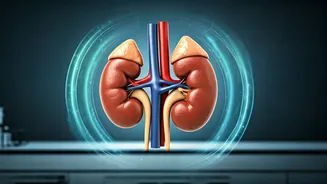
are often laden with excessive salt, sugar, and artificial additives, posing a significant threat to our kidneys. These vital organs are responsible for filtering waste, managing fluid balance, and regulating blood pressure. When constantly bombarded with unhealthy substances, their efficiency diminishes, leading to a higher risk of chronic kidney disease and other serious health issues. It's crucial to understand that neglecting kidney health can have far-reaching consequences, impacting overall well-being. Making informed dietary choices is paramount in preventing long-term damage and ensuring these essential organs function optimally, supporting everything from bone health to red blood cell production.
Salt's Kidney Toll
Excessive salt consumption is a primary adversary to kidney health. High sodium intake directly contributes to elevated blood pressure, which in turn damages the delicate network of blood vessels within the kidneys. This pressure forces the kidneys to work harder to maintain fluid balance by retaining more water, thereby increasing their workload. Over prolonged periods, this continuous strain can significantly impair kidney function, paving the way for chronic kidney disease. Beware of hidden sodium in everyday items such as packaged snacks, instant noodles, pickles, and even meals prepared at restaurants, which often contain far more salt than is advisable for optimal kidney care.
Sugar's Glomerular Assault
Consuming too much sugar triggers significant spikes in blood glucose levels. Persistent hyperglycemia (high blood sugar) inflicts damage upon the glomeruli, the tiny filtering units within the kidneys, hindering their ability to effectively remove waste products from the blood. Diabetes, a condition frequently exacerbated by excessive sugar intake, stands as a leading global cause of kidney failure. It's important to be aware that even foods marketed as 'low-fat' or 'healthy' can contain hidden sugars, which stealthily undermine kidney health over time.
Processed Foods' Double Threat
Packaged and processed foods present a dual threat to kidney well-being due to their high content of both sodium and sugar. Furthermore, they often contain artificial preservatives and additives that place additional strain on the kidneys. A particular concern is the presence of phosphorus additives, which compromised kidneys struggle to eliminate efficiently. Elevated phosphorus levels can lead to bone weakness, cardiac issues, and accelerate the ageing process of the kidneys. Common culprits include frozen dinners, processed meats, pre-made sauces, and baked goods from commercial bakeries.
Inflammation and Oxidative Stress
A diet predominantly consisting of junk and ultra-processed foods can foster a state of chronic inflammation and oxidative stress throughout the body. This inflammatory response can directly damage kidney tissues, hastening the onset and progression of kidney disease. Over time, this pervasive inflammation can negatively impact overall metabolic health, causing the kidneys to age prematurely and function less effectively than they naturally should.
Kidney Warning Signs
It is essential not to disregard potential indicators of kidney distress. Vigilance for symptoms such as swelling in the extremities (feet, ankles) or face, persistent fatigue and weakness, foamy urine, unexpected changes in urination patterns, and a noticeable increase in blood pressure are crucial. Promptly seeking medical attention upon noticing any of these signs is vital, as ignoring them can lead to a more rapid decline in kidney function and irreversible damage.
Protecting Your Kidneys
Safeguarding your kidneys involves several proactive lifestyle adjustments. Consciously reduce your salt intake by limiting processed snacks and restaurant meals. Opt for water, coconut water, or lemon water over sugary beverages. Diligently read nutrition labels to monitor sodium and sugar content in your food. Prioritize whole grains, fresh fruits, and home-cooked meals. Regular monitoring of blood pressure and blood sugar levels is also important. Always consult your doctor before taking any medications and avoid self-medication. Staying well-hydrated, aiming for approximately 2 litres of water daily as advised by your physician, coupled with regular exercise and maintaining a healthy weight, are foundational. Finally, regular health check-ups are imperative, especially for individuals with pre-existing conditions like hypertension or diabetes.