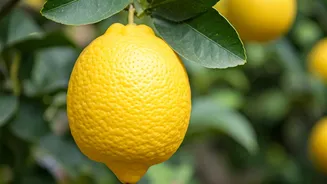

Choosing Your Lemon
The journey begins with selecting the right lemon tree. Consider the type of lemon you want to grow. Some popular choices include Eureka, Lisbon, and Meyer
lemons, each with slightly different characteristics in terms of fruit size, taste, and cold hardiness. Eureka and Lisbon are classic varieties known for their tartness and are well-suited for warmer climates, while Meyer lemons are sweeter and more cold-tolerant, making them a good option for cooler regions or growing in pots. Ensure the tree you select is disease-free and has a healthy root system. Buying a young tree, ideally a sapling, is often easier to manage than starting from a seed, as saplings are typically already grafted and ready to bear fruit in a few years.
Planting Location Matters
Selecting the right location is crucial for your lemon tree's health. Lemon trees require at least 6-8 hours of direct sunlight daily to thrive. Choose a spot in your garden that receives ample sunlight, ideally facing south or west. Ensure the chosen location provides protection from strong winds, as they can damage the tree and inhibit fruit production. The soil should be well-draining; lemon trees don't like to sit in waterlogged soil. If your soil is heavy clay, consider amending it with organic matter like compost or well-rotted manure to improve drainage. Alternatively, you can plant your lemon tree in a raised bed or a large container with adequate drainage holes.
Soil Preparation Is Key
Preparing the soil properly is fundamental to the success of your lemon tree. Before planting, test your soil's pH; lemon trees prefer a slightly acidic to neutral pH (around 6.0 to 7.0). Amend the soil as needed to achieve this range. Dig a hole twice as wide and as deep as the root ball of your lemon tree. Mix the removed soil with compost or well-rotted manure to enrich it with nutrients and improve drainage. Gently remove the tree from its container, loosen any circling roots, and place the tree in the prepared hole, ensuring the top of the root ball is level with the surrounding soil. Backfill the hole with the amended soil, gently tamping it down to remove air pockets. Water the tree thoroughly after planting to help settle the soil and encourage root growth.
Watering and Fertilizing
Consistent watering and regular fertilization are vital for the growth and fruit production of your lemon tree. Water your lemon tree deeply but infrequently, allowing the soil to dry slightly between waterings. Overwatering can lead to root rot, so be careful not to keep the soil constantly saturated. During the growing season (spring and summer), fertilize your lemon tree every 4-6 weeks with a balanced citrus fertilizer. Follow the instructions on the fertilizer package for the correct dosage. In the fall and winter, reduce the frequency of fertilization. Look for signs of nutrient deficiencies, such as yellowing leaves, and adjust your fertilizing schedule accordingly.
Pruning and Maintenance
Pruning is essential for maintaining the shape, health, and fruit production of your lemon tree. Prune your lemon tree annually, typically in late winter or early spring, before new growth begins. Remove any dead, damaged, or crossing branches. Thin out the tree's canopy to improve air circulation and sunlight penetration, which helps to prevent diseases and encourages fruit development. You can also prune to shape the tree, controlling its size and form. Regularly inspect your tree for pests and diseases. Common pests include aphids, scale, and spider mites. Treat infestations promptly with insecticidal soap or horticultural oil. Preventative measures such as good air circulation and proper watering can also minimize the risk of pests and diseases.
Harvesting Your Lemons
Harvesting lemons at the right time is crucial for enjoying their flavor. Lemons typically take several months to ripen, depending on the variety and climate. Watch for the fruit to develop a rich, yellow color, which is a sign that it's ready for harvest. Gently twist the lemons from the branches, using pruning shears if necessary. Avoid pulling the lemons, as this can damage the tree. Harvest lemons regularly as they ripen, which encourages the tree to produce more fruit. The timing of your harvest can also be adjusted, as lemons can be left on the tree for an extended period, allowing you to harvest them as needed, although the fruit will eventually start to lose some of its quality.