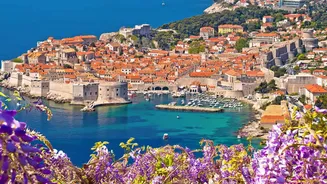








Dubrovnik's Packed Walls
While Dubrovnik's ancient walled city offers a breathtaking glimpse into history, its immense popularity, especially during peak tourist seasons, can diminish
the visitor experience. The sheer volume of people navigating the narrow streets and iconic ramparts makes leisurely exploration and capturing unobstructed photos a significant challenge. Furthermore, the cost of dining and purchasing souvenirs within the Old Town often feels disproportionately high, leading to a sense of dissatisfaction for many who sought a more relaxed and budget-friendly engagement with this historic gem. Exploring the city's charm can become an exercise in patience rather than pure enjoyment due to the constant throngs of visitors vying for space and attention.
Plitvice's Pricey Pools
Plitvice Lakes National Park is undeniably a marvel of cascading waterfalls and serene turquoise lakes, but its allure comes with a substantial price tag. The entrance fee, approximately $40 per person, can be a considerable expense for many travelers. Moreover, the park's beauty is often shared with very large crowds, particularly in the summer months, making it difficult to fully appreciate the natural splendor without constant interruptions from other visitors. For those seeking similar natural wonders without the financial strain or overwhelming crowds, Croatia offers numerous other national parks that provide equally stunning scenery and a more peaceful encounter with nature.
Hvar's Fleeting Fun
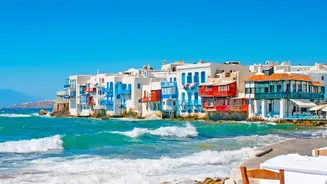
Hvar island has cultivated a prominent image as a glamorous destination, celebrated for its energetic nightlife and sophisticated bars. While this vibrant scene appeals to a specific demographic, others might find its reputation exaggerated or the expenses involved prohibitive. Beyond the evening revelry, the range of daytime activities available on Hvar can feel somewhat limited when contrasted with other Croatian islands that boast a broader spectrum of experiences, offering more than just a focus on the party circuit. Travelers looking for a more diverse island exploration might find alternative destinations more fulfilling.
Split's Palace Paradox
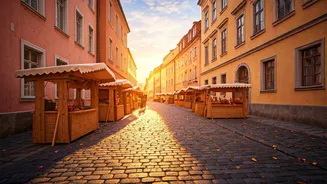
Diocletian's Palace in Split, recognized as a UNESCO World Heritage site, frequently leaves visitors underwhelmed compared to their expectations. Rather than feeling like a pristine archaeological testament to Roman history, it functions more as a vibrant, bustling marketplace where shops and cafes occupy much of the ancient structure. Finding tranquil spots for contemplation amidst the constant stream of tourists is a rare luxury. Individuals with a deep interest in Roman antiquity might discover better-preserved and more accessible historical sites elsewhere in Europe that offer a more profound and less commercialized engagement with the past.
Rovinj's Rip-off Restaurants
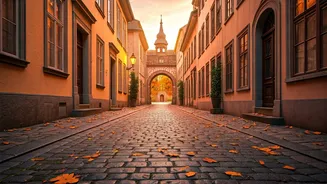
Rovinj captivates with its charming, narrow streets and vibrantly colored buildings, presenting a postcard-perfect Croatian town. However, a common point of contention among visitors is the noticeably inflated pricing of dining establishments located within the old town. Restaurants often charge premium rates for even simple dishes, largely leveraging their prime, picturesque setting. While the town's aesthetic appeal is undeniable, those in pursuit of a more genuine cultural and culinary experience might be better served by exploring neighboring towns that offer comparable visual charm without the steep, tourist-centric price tags.