






Nature's Colorful Legacy
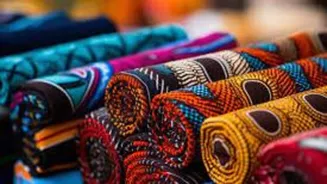
African textiles are celebrated globally for their dazzling colors and complex designs, with a significant portion of this artistry stemming from age-old
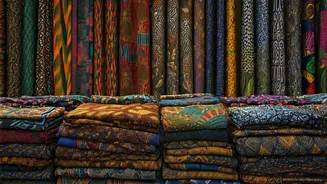
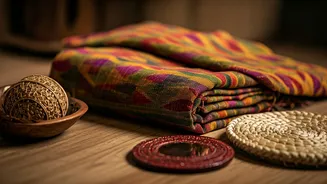
natural dyeing techniques. These eco-friendly processes are not merely a method of coloring fabric; they are a profound expression of cultural identity and a testament to sustainable living. By utilizing materials sourced directly from the local environment, artisans craft textiles that showcase the immense creativity and diversity inherent in African cultures. This connection to nature not only minimizes environmental impact but also plays a crucial role in safeguarding the artistic heritage that has been passed down through countless generations, making each piece a story woven in color.
The Magic of Indigo
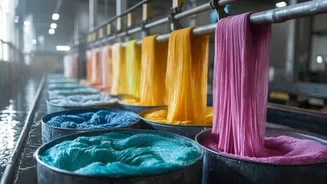
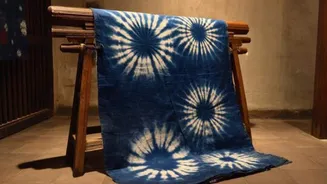
Among the most revered natural dyeing methods in Africa is the use of indigo, a process that transforms simple cotton into fabrics of deep, mesmerizing blue. Artisans meticulously prepare a dye bath by fermenting indigo leaves, a practice that has been perfected over centuries. Achieving the characteristic rich blue requires repeated immersion of the fabric, allowing the color to build depth and intensity with each dip. This patient layering is fundamental to the indigo dyeing process. Furthermore, indigo is often combined with ingenious resist techniques, such as tying or stitching the fabric before dyeing, to create intricate patterns and designs that are both striking and symbolic, demonstrating a sophisticated understanding of color and form.
Beyond Indigo: Floral and Root Dyes
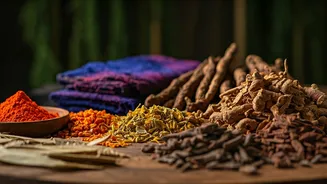
While indigo holds a special place, the spectrum of natural dyes in Africa extends far beyond blue. A vibrant palette is achieved using various plants, with hibiscus flowers offering stunning shades ranging from delicate pinks to deep reds, and the common spice turmeric yielding a brilliant, cheerful yellow. To ensure these natural pigments adhere beautifully and permanently to the fabric, they are often combined with mordants, substances like alum or lime which act as fixatives. The thoughtful selection and application of these plant-derived dyes underscore a deep-seated commitment to sustainable practices among African artisans, showcasing their ability to harness the natural world for artistic expression without causing harm.
Ancient Bark Cloth
An ancient and distinctive textile tradition found across various African regions, particularly in Uganda and Rwanda, is the creation of bark cloth. This unique fabric originates from the inner bark of specific trees, such as the fig or mulberry. The process begins with carefully stripping this inner layer, which is then submerged in water until it achieves a pliable softness. Following this preparation, the softened bark is expertly flattened and spread into thin sheets, forming a textile material that is remarkably versatile. These bark cloth sheets serve as a canvas for natural pigments, allowing for the creation of uniquely textured and dyed fabrics. Beyond its artistic value, bark cloth production contributes positively to tree conservation efforts by utilizing the bark without destroying the trees.
Workshops Cultivating Skills
The continuation and vibrant life of these traditional dyeing techniques are significantly bolstered by community workshops. These educational hubs are essential for passing down invaluable knowledge to younger generations, ensuring that ancestral methods are not lost to time. Participants in these workshops gain hands-on experience in the entire dyeing process, from identifying and ethically sourcing local plant materials to expertly preparing the natural dyes and applying them to fabric using time-honored techniques that have been refined over generations. These workshops foster a sense of cultural continuity, promote intergenerational dialogue, and simultaneously contribute to the economic vitality of local communities by supporting the production and sale of unique, handmade textiles.