


Choose Your Basil
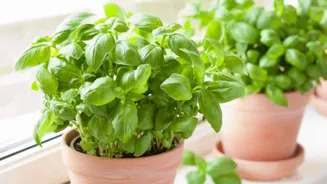
Embarking on your basil-growing journey begins with selecting the ideal variety to suit your taste and needs. Sweet basil, a culinary staple, offers a classic,
familiar flavor perfect for everyday use. For those seeking an adventurous twist, Thai basil introduces an exotic, anise-like aroma and taste that can elevate Asian-inspired dishes. Genovese basil stands out with its substantial leaves and robust fragrance, making it a favorite for pestos and sauces. When making your choice, consider not only your personal preference for flavor but also the local climate, as each type has distinct growing requirements and a unique profile that can significantly enhance your cooking repertoire and dining experiences.
Pot Prep Essentials
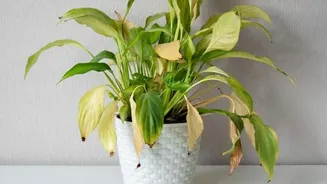
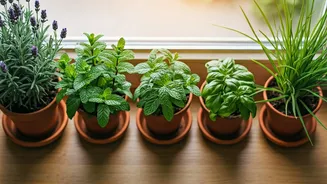
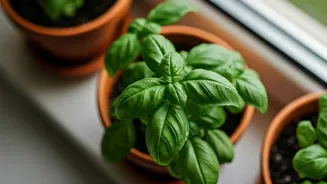
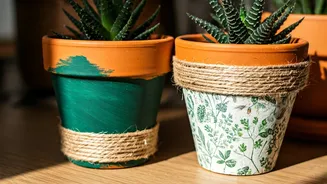
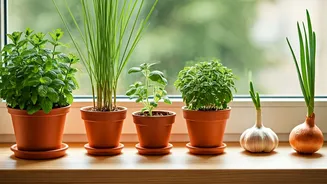
Ensuring your kitchen pots are perfectly prepared is a fundamental step towards a thriving basil plant. The key is to select small containers that are equipped with adequate drainage holes. This feature is critical for preventing the accumulation of excess water, which can lead to root rot and jeopardize your plant's health. To create an optimal growing medium, fill these pots with a well-draining potting soil. Enhancing this soil with perlite or sand will further improve aeration, allowing the roots to breathe and grow vigorously. Before introducing your seeds or cuttings, lightly moisten the soil to establish a favorable environment for initial root development and overall plant vitality.
Sowing Seeds or Cuttings
The timing and method of planting are crucial for successful basil propagation, with spring emerging as the most opportune season. During spring, the weather is typically warm, and daylight hours are longer, providing ideal conditions for growth. For those planting seeds, a depth of approximately one-fourth inch into moist soil is recommended. It's vital to maintain a warm environment to encourage germination. If you opt for cuttings, the initial step involves placing them in a glass of water until a healthy root system develops. Once roots are visible, they can be carefully transferred into prepared soil for continued growth.
Nurturing Your Plants
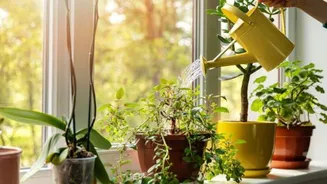
To cultivate robust and healthy basil plants, providing the right environmental conditions is paramount. Basil thrives in ample sunlight, requiring at least six hours of direct light daily. Maintain a consistent temperature range between 70 and 85 degrees Fahrenheit for optimal growth. Regular watering is essential, but exercise caution to avoid overwatering; allow the top inch of soil to dry out between watering sessions. To further support vigorous growth and abundant leaf production, administer a balanced liquid fertilizer every four weeks. Consistent attention to these factors will yield a bountiful harvest of fragrant basil.