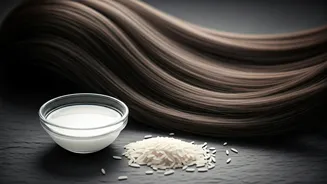







What is Rice Water?
Rice water is essentially the starchy liquid left behind after rice is soaked or boiled. For centuries, particularly in East Asian cultures like those
of the Yao women in China, it's been revered for its hair-enhancing properties. This nutrient-rich water is packed with beneficial compounds such as Vitamin B, Vitamin E, magnesium, fiber, zinc, inositol, and manganese, all of which are believed to contribute significantly to hair and skin health. Its historical use by communities known for exceptionally long and healthy hair underscores its long-standing reputation as a natural beauty elixir, now re-emerging in global wellness trends.
Crafting Your Own
Creating rice water at home is a straightforward process with three effective methods to choose from. The simplest is the Soaking Method: rinse half a cup of uncooked rice, add it to two to three cups of water, let it sit for about 30 minutes, and then strain the water into a clean container. For a potentially more potent version, try Fermented Rice Water. Prepare it using the soaking method, then leave it at room temperature for 24 to 48 hours until it develops a slightly sour odor. Store this in the refrigerator for up to a week, remembering to dilute it significantly before use due to its concentrated nature. The Boiling Method involves cooking rice with extra water and then straining the starchy water once the rice is partially cooked, allowing it to cool before application.
Hair Growth: Myth vs. Reality
While anecdotal evidence and historical accounts, like those of the Guinness World Record-holding "World's Longest Haired Village" in Huangluo, China, suggest a link between rice water and hair growth, scientific backing for its ability to regrow hair is notably absent. Studies, such as one appearing in PubMed/MEDLINE focusing on Asian women, have indicated that rice water can contribute to increased hair length and aid in maintaining hair color. Participants in these studies often used fermented rice water mixed with herbs. The key beneficial components, like inositol, are thought to repair existing damage and prevent breakage, while amino acids can smooth the hair cuticle for enhanced shine. Fermented rice water also possesses mild anti-inflammatory and antioxidant properties beneficial for the scalp, potentially improving hair texture and reducing frizz over time. However, these benefits primarily relate to hair health and repair, not the stimulation of new hair growth.
Potential Hair Concerns
Despite its purported benefits, it's crucial to be aware that improper or excessive use of rice water can lead to adverse effects on hair. Some dermatologists and articles suggest that the high starch content found in rice water can, in fact, damage hair, potentially making it more brittle or causing frizz, especially if applied too frequently or in concentrated forms. Concerns have been raised that rice water might reduce the natural friction of hair strands, which could impact their integrity. Therefore, while rice water offers advantages for hair repair and conditioning, moderation and mindful application are key to avoiding these potential negative outcomes and ensuring your hair remains healthy.
Versatile Hair & Skin Uses
Rice water can be incorporated into your beauty regimen in several effective ways. For a post-shampoo treatment, use diluted rice water as a final hair rinse, leaving it on for 10 to 15 minutes before rinsing it out. It can also serve as an excellent scalp treatment; spray it onto your scalp and gently massage to boost circulation. For a natural conditioning boost, mix rice water with ingredients like aloe vera or a few drops of essential oils. Its smoothing properties make it a useful detangler, helping to ease knots. Beyond hair, rice water is also beneficial for skincare, acting as a soothing and brightening toner due to its gentle properties.