




Northern Costa Rica's Green Path
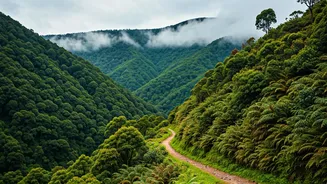
Northern Costa Rica, particularly around Rincon de la Vieja and Tenorio Volcano National Parks, stands as a beacon of eco-tourism. Here, visitors can immerse
themselves in authentic experiences, such as community-led safaris that directly support local livelihoods. Accommodations like Origins Lodge exemplify the region's commitment by utilizing hydroelectric power and cultivating organic produce, showcasing a harmonious blend of nature and sustainable living. The nation's impressive reliance on renewable energy, powering 99% of its needs, underscores its dedication to environmental responsibility, with an ambitious goal to achieve net-zero emissions by 2050. This proactive approach ensures that tourism contributes positively to the preservation of its stunning natural landscapes and vibrant culture, making it a truly conscientious travel choice.
The Azores' Sustainable Islands
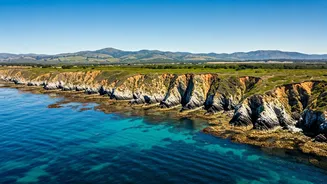
The Azores, a picturesque Portuguese archipelago, has earned international acclaim from the Global Sustainable Tourism Council for its holistic dedication to conservation. This remote island chain is actively working towards carbon neutrality by 2030, with a significant portion of its electricity (40%) already sourced from renewable energy. Many lodging options proudly hold eco-certifications, including Lava Homes, which embraces zero-waste principles. To safeguard its natural beauty and unique island culture from the pressures of over-tourism, the regional government has thoughtfully implemented studies to define and manage the 'carrying capacity' of its popular areas, ensuring a more balanced and respectful visitor experience that cherishes the environment.
Rwanda's Healing Tourism
Rwanda has masterfully transformed its tourism sector into a powerful engine for both national healing and economic advancement. The iconic gorilla trekking expeditions within Volcanoes National Park play a pivotal role, with a substantial 10% of permit fees being channeled directly into community development projects and vital conservation efforts. To protect its precious primate populations from undue stress, the Rwanda Development Board meticulously caps daily gorilla permits at 96. Furthermore, eco-conscious lodges such as Bisate and Singita Kwitonda are exemplary models of sustainable construction, utilizing local volcanic rock and solar power, while prioritizing local employment. This integrated approach ensures that tourism benefits the wildlife, the environment, and the people of Rwanda.
Norway's Fjord Protection
Norway is setting a global precedent for sustainable travel by implementing a ban on fossil fuel-powered cruise ships in its UNESCO-listed fjords, commencing in 2026. The nation is already a leader in maritime sustainability, with companies like Hurtigruten and Havila deploying hybrid vessels. The breathtaking Lofoten Islands are taking further steps to preserve their unique character and local heritage by introducing eco-taxes and regulating short-term rental accommodations. The capital city, Oslo, has ambitious plans to become the world's first emission-free capital by 2030, presenting an appealing vision for responsible travelers seeking to minimize their environmental footprint while exploring stunning natural and urban landscapes.
Eastern Greenland's Low Impact
Eastern Greenland represents one of the Arctic's most undeveloped tourism frontiers, emphasizing intimate, locally-driven experiences that tread lightly on the environment. Organizations like Visit Greenland are at the forefront, developing and promoting guidelines for low-impact travel, thoughtfully weaving climate education into travel itineraries. This ethos fosters a travel experience centered on respectful observation and learning, rather than mere consumption, deeply underscoring the critical importance of embracing responsible practices. By prioritizing authenticity and minimal environmental disturbance, Eastern Greenland offers a profound connection to nature and culture for those seeking a truly conscientious adventure.