



Soil Testing Primacy
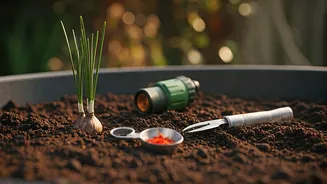
Before planting those valuable saffron corms, understanding your soil's composition is paramount. A soil testing kit acts as your soil's diagnostic tool,
revealing its pH level and essential nutrient content. Saffron thrives in slightly alkaline conditions, ideally with a pH ranging from 6.0 to 8.0. By accurately assessing your soil, you gain the ability to make precise amendments, adding or removing specific elements to create the perfect environment. This proactive step prevents common issues stemming from inappropriate soil chemistry, paving the way for robust plant development and ultimately, a more generous saffron yield. It’s the foundational step that ensures your efforts yield the best possible results, setting your saffron garden up for success right from the start.
Efficient Irrigation Solutions
Water management is a critical factor for saffron success, and a drip irrigation system emerges as a vital piece of equipment. Saffron corms are susceptible to root rot if their soil becomes waterlogged, necessitating well-drained conditions. A drip system allows for precise water delivery directly to the root zone, thereby minimizing water wastage and preventing the oversaturation of the soil. This method is particularly advantageous in arid regions or for gardeners prioritizing water conservation. It ensures that each plant receives adequate hydration without compromising the delicate balance required for healthy growth, contributing significantly to the survival and productivity of your saffron crop throughout its lifecycle.
Mulching for Protection
To create a stable and supportive environment for your saffron plants, the strategic use of mulching materials is indispensable. Substances like straw or dried leaves serve multiple crucial functions. Firstly, they assist in retaining soil moisture, reducing the frequency with which you need to water, while simultaneously moderating soil temperature. This consistent environment is crucial for the corms to develop optimally. Secondly, mulch acts as a natural barrier, effectively suppressing weeds that would otherwise compete with your saffron for precious nutrients and water. By keeping weeds at bay and maintaining ideal soil conditions, mulching significantly contributes to the plant's vigor and the overall health of your saffron patch.
Precision Harvesting Tools
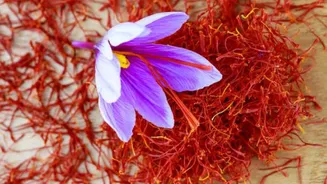
The actual harvesting of saffron, the world's most prized spice, demands meticulous care and the right implements. Fine-tipped scissors or tweezers are essential for delicately plucking the crimson stigmas from the saffron crocus flowers. This precision ensures that you harvest only the valuable stigmas, avoiding damage to the delicate floral structures and any potential contamination. Gathering the stigmas at their peak, when the flowers are fully open but before they begin to wilt, is key to obtaining threads of the highest quality. These specialized tools enable an efficient and precise collection process, maximizing the yield of premium saffron threads from each bloom.
Even Nutrient Distribution
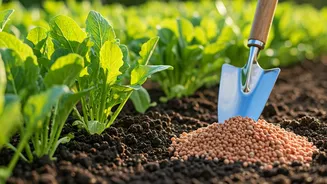
To ensure your saffron plants receive a balanced diet, a fertilizer spreader is a valuable addition to your gardening arsenal. This tool guarantees that nutrients are distributed uniformly across your saffron beds. Inconsistent application of fertilizers can lead to nutrient imbalances within the soil, which can negatively impact plant growth and development over time. By utilizing a spreader, you maintain uniform fertility levels throughout each growing cycle, which is critical for consistent plant health and for optimizing the potential yield of saffron threads from your harvest. This equipment ensures that every plant benefits equally, leading to more predictable and bountiful results.