

Dosa: A Classic
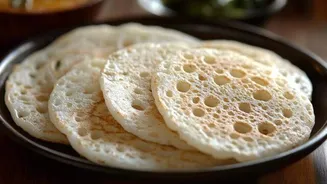
The dosa, a beloved South Indian staple, provides a versatile canvas for culinary creativity. Traditionally made with fermented rice and lentil batter,
the dosa's inherent qualities of a slightly tangy flavor profile and crispy texture allows it to readily adopt a multitude of flavors. The humble dosa offers a foundation upon which a wide array of ingredients can be layered. Its light yet filling nature makes it an ideal option for breakfast, offering both sustenance and satisfaction. Variations on the classic dosa abound, with wheat dosa emerging as a popular and health-conscious alternative. This version retains the core appeal of the original while providing an extra nutritional punch, thanks to the use of wheat flour.
Paneer Stuffed Delight
One of the most appealing ways to enjoy a wheat dosa involves stuffing it with paneer, a fresh Indian cheese. This combination brings together the wholesome goodness of wheat with the creamy, rich textures of paneer. Creating this dish starts with making the wheat dosa batter, which forms the base of the experience. The paneer is generally crumbled and often mixed with spices such as turmeric, coriander, and garam masala, which contributes to its wonderful aroma. The paneer mixture is then placed on the dosa while it cooks. The dosa is folded and cooked until it is gently golden and crisp. The result is a savory, protein-rich breakfast, perfect for any time of the day. This simple yet satisfying recipe is adaptable, allowing for customization depending on personal preference. Additional vegetables can also be added to enhance the flavor.
Vegetable Stuffed Feast
For a nutrient-packed and colorful experience, a vegetable-stuffed wheat dosa is an excellent choice. This version incorporates a variety of chopped vegetables, such as carrots, onions, capsicum, and peas, into the filling. The vegetables are generally lightly sauteed with spices to extract their inherent sweetness and release their individual flavors. The process is similar to that of the paneer-stuffed dosa: the wheat dosa is prepared, the vegetable filling is spread onto it, and then it is folded and cooked until golden brown. This variation offers a plethora of textures and tastes. By selecting a range of vegetables, you can create a breakfast that is not only delicious but also brimming with vitamins, minerals, and dietary fiber, supporting overall health. The vegetable stuffing can be customized based on season and individual likes, offering endless possibilities.
Classic with Chutney
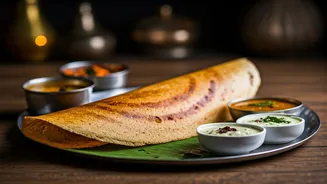
Simplicity at its best is presented through the classic wheat dosa, which is served alongside chutney. This version highlights the core characteristics of the wheat dosa itself. The focus is on the perfectly prepared dosa, that is, one with the right balance of crispiness and a soft interior. The chutney serves as the ideal counterpoint, and often it is made with ingredients like coconut, tomatoes, or mint. This combination is a staple in South Indian cuisine for a good reason. It is the simplicity of this version that gives it such broad appeal. The dosa itself is a light and wholesome base, while the chutney gives it a burst of freshness and flavor. The contrasting textures of the crisp dosa and the smooth, flavorful chutney combine to create an enjoyable and satisfying meal. The beauty of this recipe lies in its simplicity and the ability to customize the chutney's flavor profile to fit your preferences.
Spicy Wheat Dosa
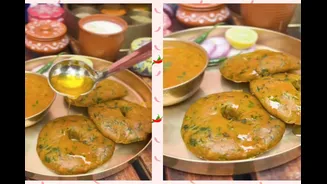
For those who enjoy a bit of heat, the spicy wheat dosa is a great choice. This variation packs a flavorful punch, adding a generous helping of spice to the experience. The spices used may include green chilies, red chili powder, or other spicy elements, carefully incorporated into the dosa batter or as a part of the stuffing. This spice level is balanced by the natural flavors of the wheat and the crispy texture of the dosa. This allows the heat to be enjoyable without being overwhelming. To complement the spice, spicy wheat dosa is frequently paired with sambar, a lentil-based vegetable stew that is a South Indian culinary hallmark. The sambar offers a slightly sour, tangy flavor and a soothing warmth that softens the spicy edge. This combination is a classic for a reason, creating a balanced and tasty breakfast. The heat can be adjusted to suit personal preference.
Sweet Jaggery Treat
To satisfy a sweet tooth, the sweet wheat dosa, which is infused with jaggery, is an excellent option. Jaggery is an unrefined sugar commonly used in Indian cuisine for its unique flavor and health benefits. The jaggery is often mixed into the dosa batter or used as a filling, creating a delicately sweet flavor throughout the dosa. The natural sweetness of the jaggery complements the subtle taste of the wheat. This variation provides a delightful treat that can serve as a fulfilling breakfast or a sweet dessert. It's a wonderful way to enjoy something satisfying without having to compromise on wholesome ingredients. This recipe is particularly appealing as a healthier alternative to other sweet breakfast options. The gentle, caramel-like notes of the jaggery combine well with a slight savory flavor profile, making it a delicious and fulfilling choice.