





Brighten Savings
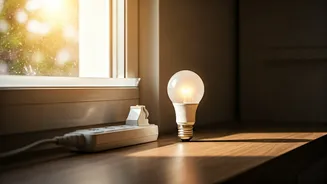
Transform your home's lighting to slash electricity usage. A key strategy involves switching to LED bulbs, which are remarkably efficient, consuming up
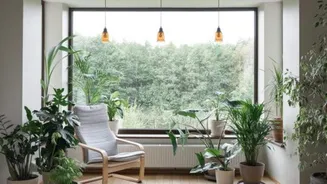
to 75% less power than old-fashioned incandescent options and boasting a far superior lifespan. Beyond bulb choice, embrace the power of natural light by opening curtains and blinds during the day to minimize the need for artificial illumination. Furthermore, consider installing dimmer switches. These allow you to precisely control the light intensity in any room, adapting to your specific needs and preventing energy wastage when full brightness isn't required. This multi-pronged approach to lighting significantly contributes to a lower energy footprint and cleaner electricity bills.
Seal the Drafts
Prevent unwelcome air infiltration by diligently sealing your windows and doors. Gaps and leaks around these entry points allow heated air to escape during colder months and cooled air to dissipate in warmer seasons. This forces your heating and cooling systems to operate more intensely, consuming more energy. Employ simple materials like weatherstripping or caulk to effectively seal these openings. Additionally, door sweeps can be installed at the bottom of doors to block drafts. Implementing these straightforward fixes dramatically enhances your home's insulation, ensuring a more consistently comfortable indoor environment throughout the year with reduced strain on your climate control systems.
Smart Power Use
Combat the silent drain of 'phantom load' or 'vampire power' from your electronics. Many devices continue to consume electricity even when they are turned off or in standby mode. Smart power strips offer an ingenious solution by automatically cutting off power supply to devices that are either inactive or not in use. This automated feature can reduce unnecessary energy consumption by as much as 20%. By integrating smart power strips into your home, you can achieve substantial savings on your electricity bill without needing to alter your daily habits or unplugging appliances manually.
Thermostat Tactics
Gain significant savings on your heating and cooling expenses by making minor adjustments to your thermostat settings. Even a slight alteration of one or two degrees can yield substantial reductions. During the winter, try setting your thermostat a degree or two lower than your usual setting. Conversely, in the summer, increase the temperature by a similar margin. For even greater efficiency, explore the benefits of programmable thermostats. These intelligent devices can automatically adjust the temperature based on your daily schedule, ensuring your home remains comfortable when you're present while minimizing energy use when you're away or sleeping.
Water Heater Wisdom
Optimize your water heating system for enhanced energy efficiency. Water heaters are typically set to a default temperature of 60 degrees Celsius (140 degrees Fahrenheit), which often exceeds the requirements for most domestic tasks. Reducing this temperature to approximately 50 degrees Celsius (120 degrees Fahrenheit) can lead to annual savings of up to 10% on your water heating costs. This adjustment will not compromise your comfort during activities such as showering or washing dishes, providing a practical way to conserve energy without sacrificing convenience.