






Ancient Chola Roots
The genesis of Puthandu, widely recognized as the Tamil New Year, is deeply intertwined with the historical expanse of the Chola dynasty. This powerful
empire, which flourished across Tamil Nadu and other southern Indian territories between the 9th and 13th centuries, is credited with the establishment of the Tamil calendar. It was during this era that the very first day of the month of Chithirai was formally designated as the commencement of the new year. This significant calendrical innovation laid the groundwork for the annual observance that continues to be a cornerstone of Tamil cultural identity. In 2026, this auspicious day aligns with April 14th according to the widely adopted Gregorian calendar, serving as a bridge between ancient traditions and contemporary life.
Celestial Date Determination
The precise timing of Puthandu's celebration is a matter governed by astronomical observation, specifically the Sun's celestial journey. The festival marks the transition known as Mesha Sankranthi, signifying the Sun's auspicious entry into Mesha Rashi, or the zodiac constellation of Aries. This solar event dictates the date of the Tamil New Year. The tradition stipulates that if Mesha Sankranthi occurs after sunrise but before sunset on a particular day, the New Year festivities commence on that very day. However, if this celestial ingress happens after the sun has set, the celebrations are then postponed to the following day, ensuring that the New Year officially begins only after the solar transition is complete. This precise method highlights the ancient connection between Tamil culture and astronomical cycles.
Symbolism of Renewal
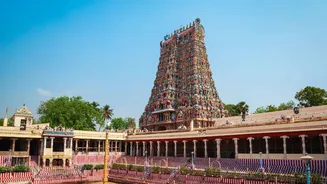
Puthandu holds substantial cultural and spiritual weight, heralding the commencement of Chithirai, the inaugural month within the Tamil solar calendar. This day is observed with considerable enthusiasm, especially in Tamil Nadu and Sri Lanka, where it is a public holiday. More than just a date on the calendar, Puthandu symbolizes the cyclical nature of life, representing a fresh start imbued with potential for growth, increased prosperity, and enduring hope. It is considered an extremely auspicious occasion, encouraging individuals and families to dedicate time to loved ones, reflect on past experiences, and set positive intentions or resolutions for the year that lies ahead. Many also choose this propitious day to embark on new ventures, believing it will pave the way for success and good fortune.
Festive Culinary Delights
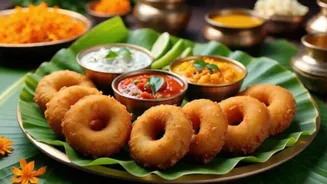
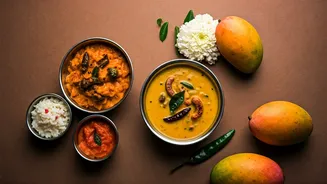
The celebration of Puthandu is incomplete without a lavish spread of traditional delicacies, reflecting the bounty and flavors of the season. Families meticulously prepare a variety of cherished dishes, including savory vadai, aromatic sambhar, fluffy rice, sweet payasam, crispy appalam, flavorful vegetable curries, tangy fresh mango pickle, creamy curd, and the unique mango pachadi, a sweet and sour relish. Another highlight is pongal, a dish often prepared in both sweet and savory versions. These culinary creations are not merely food but integral components of the festive ritual, shared with joy and abundance. The preparation and consumption of these dishes underscore the communal spirit and the emphasis on nourishment and celebration during this significant occasion.
Auspicious First Sight
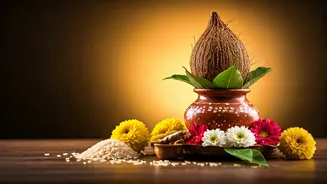
A cherished and significant custom associated with Puthandu is 'Kanni,' which translates to the 'first sight' of the New Year. The belief is that the initial vision upon waking on Puthandu morning profoundly influences the tone and fortune of the entire year. To invite good luck and prosperity, Tamilians rise early and partake in a ritual bath. Following this, they intentionally gaze upon a collection of auspicious items. These typically include symbolic objects like gold and silver, an assortment of fresh fruits and vibrant flowers, or their own reflection in a clean mirror. This practice is a mindful way to set a positive intention and spiritually prepare for the year ahead, ensuring that the first moments are filled with symbols of wealth, beauty, and self-reflection.
Home Decorations and Attire
The preparations for Puthandu extend to beautifying the living spaces and adorning oneself in traditional splendor. Homes are thoroughly cleaned and then meticulously decorated with intricate 'kolam' designs. These are beautiful, ephemeral artworks created on the floor using finely ground rice flour, often enhanced with vibrant natural colors and adorned with fresh flowers. This artistic expression not only adds aesthetic beauty but is also considered an auspicious offering. Furthermore, families come together, dressed in their finest traditional attire, symbolizing respect for heritage and the festive spirit. This collective act of dressing up and beautifying the home creates an atmosphere of joy, unity, and shared cultural pride, preparing the environment for the day's blessings and festivities.