




Discovering Earth's Palette
For generations, African artists have utilized the very soil beneath their feet to craft breathtaking artworks. These natural earth pigments are fundamental
to many African artistic traditions, offering a unique spectrum of colors that echo the natural landscape and carry deep cultural weight. By employing these pigments, creators can produce pieces that are not only visually captivating but also intrinsically linked to Africa's diverse heritage. The practice of using earth pigments is a testament to the profound connection between art, nature, and cultural identity, allowing for the expression of stories and emotions through a palette born directly from the earth.
Finding Your Pigments
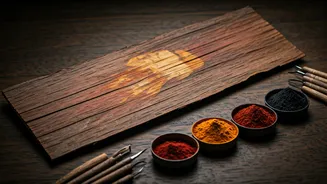
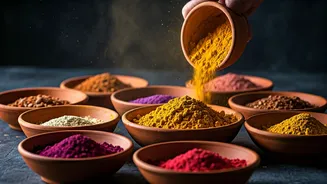
To begin your artistic journey with earth pigments, seek out regions renowned for their abundant soil deposits. Locations rich in red ochre or deposits of yellow clay are excellent starting points for sourcing these natural colors. It's crucial to ensure the soil you collect is free from impurities; a thorough washing process is recommended before you begin to use it. Collect modest quantities initially, allowing you to experiment with various shades and textures before committing to larger amounts. Alternatively, many local markets and artisan shops offer pre-processed versions of these pigments, often available at accessible price points and ready for immediate use.
Preparing for Creation
Transforming raw earth into usable art materials involves a meticulous preparation process. The key step is to grind the collected pigments into an exceptionally fine powder, typically achieved using a traditional mortar and pestle. Once powdered, the pigment can be combined with water or natural binders, such as gum arabic, to form a workable paste suitable for painting. Artists are encouraged to experiment with different proportions of pigment to binder to achieve their desired hues and painting consistency. Proper storage of these prepared mixtures in airtight containers is vital for preserving their freshness and usability over time.
Applying Ancient Colors
The application of earth pigments offers a range of techniques, from the delicate touch of fine brushes to broader, more expressive strokes. Traditional brushes, often crafted from animal hair or plant fibers, are ideal for this medium. For intricate details, the use of fine-tipped brushes is paramount, while larger areas can be effectively covered with broader brushes or even the artist's own fingers. Layering your applications is a powerful technique that allows for the development of depth and texture within your artwork, significantly enhancing its overall visual impact and richness.
Meaning in Color
To imbue your artwork with true depth and meaning, understanding the cultural significance behind each earth pigment is essential. Across various African communities, specific colors may carry profound symbolism, representing concepts like fertility, protection, or spiritual beliefs. Engaging in research to uncover these historical and cultural meanings can profoundly influence your artistic process, enabling you to weave narratives and traditions directly into your creations. This deeper connection transforms your art from a mere visual piece into a resonant expression of cultural heritage.