


Prepare Your Planters
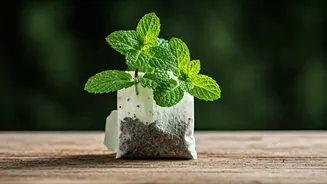
Embrace sustainability by repurposing used tea bags for a unique home gardening endeavor. The first crucial step involves selecting tea bags crafted from
biodegradable materials; these are essential for composting and eventual decomposition. After you've enjoyed your brew, thoroughly rinse each bag to eliminate any lingering tea leaves, as these remnants can sometimes interfere with optimal plant development or introduce unwanted flavors. It's vital to allow these rinsed bags to air dry completely before proceeding. This preparation ensures a clean and ready-to-use vessel for your mint seedlings or cuttings, laying the groundwork for successful growth while giving old materials a new purpose.
Soil and Planting
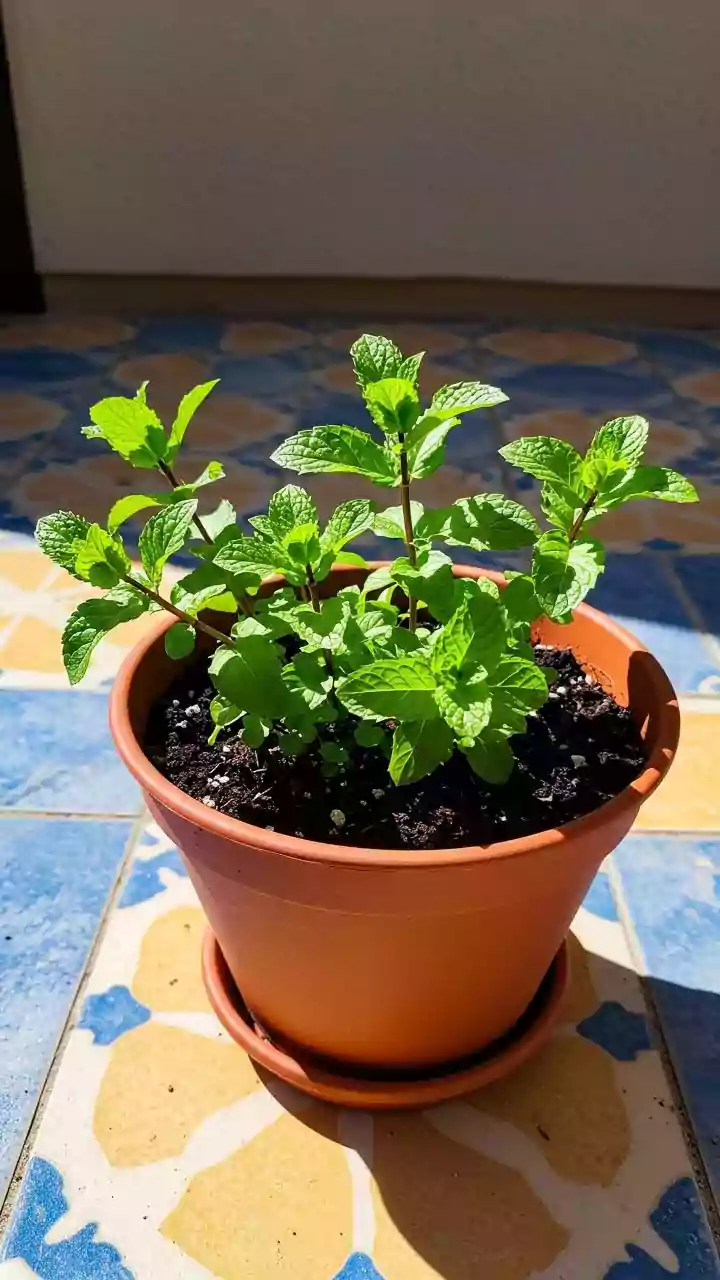
Once your biodegradable tea bags are prepped and dry, it's time to introduce them to their new role as mini-planters. Carefully fill each bag with a modest amount of potting soil, ensuring not to overstuff them, which would compromise their structural integrity and ability to retain moisture effectively. The ideal soil consistency is damp but not saturated; excessive wetness can foster mold and hinder root development. This carefully managed soil environment is perfectly suited for germinating mint seeds or nurturing cuttings. Whether you opt for seeds or cuttings, planting them involves a gentle approach. For seeds, a light scattering on the soil surface followed by a thin covering of more soil is sufficient. If using cuttings, ensure they possess healthy root systems before embedding them into the prepared soil within the tea bags. A light watering after this process helps to settle the soil and establish good contact with the seeds or cuttings.
Nurturing Your Mint
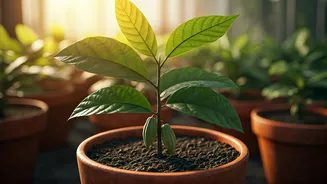
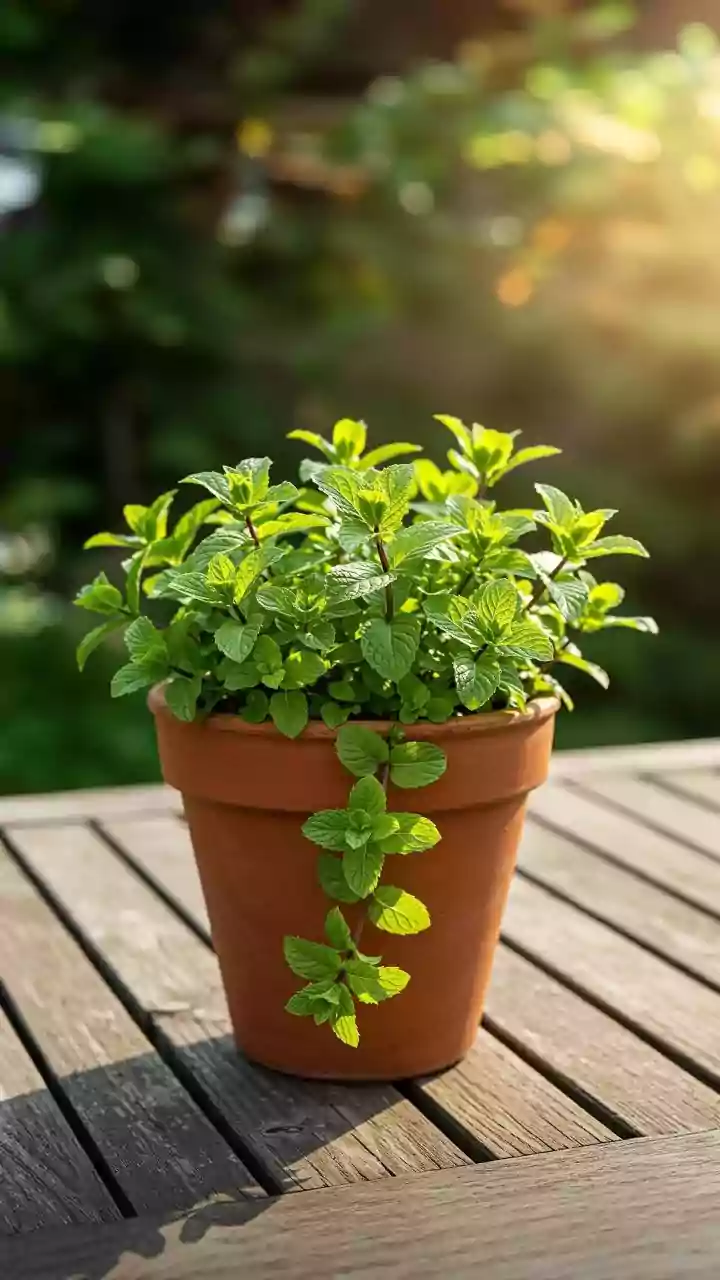
With your mint successfully planted in its tea bag nursery, the next stage focuses on providing the ideal conditions for growth. Position your repurposed planters in a location that receives ample sunlight but crucially, avoid direct, intense solar exposure. Harsh sunlight can rapidly dry out the soil and stress the young plants. Consistent moisture is key to thriving mint; aim to water regularly, ensuring the soil remains moist but never waterlogged. Overwatering is a common pitfall that can lead to root rot, a detrimental condition for mint, especially when it's grown in enclosed spaces like tea bags. By maintaining this delicate balance of light and hydration, you'll encourage robust growth and healthy foliage, all while practicing an eco-conscious gardening method.