



Holi's Exact Dates
Holi, a festival deeply rooted in Hindu tradition and celebrated as a victory of good over evil, follows the lunisolar Hindu calendar, leading to its date
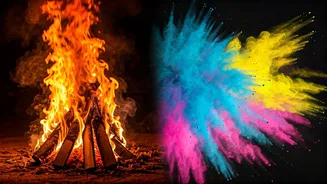
shifting annually. For 2026, Holika Dahan, the ceremonial bonfire, is scheduled for March 3rd. The following day, March 4th, will be celebrated as Holi, the vibrant festival of colours. This timing is determined by the Purnima Tithi, or the full moon, which begins on the evening of March 2nd and concludes on the afternoon of March 3rd, 2026.
Significance and Legends
The core of Holi's celebration lies in its profound symbolism of the triumph of righteousness over malevolence. Ancient folklore recounts the tale of Hiranyakashipu, a demon king, and his virtuous son Prahlad. Hiranyakashipu's sister, Holika, possessing a boon that made her immune to fire, attempted to immolate Prahlad by sitting with him in a pyre. However, divine intervention saw Holika consumed by the flames while Prahlad remained unharmed. This event is commemorated annually with Holika Dahan, where communities light bonfires, offer grains and coconuts, and chant prayers, reinforcing the eternal message of good prevailing over evil.
Joyous Celebrations
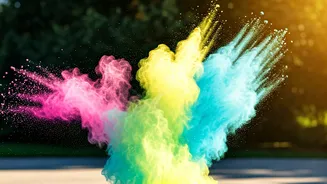
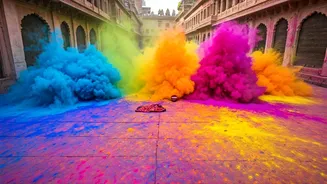
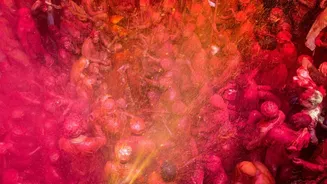
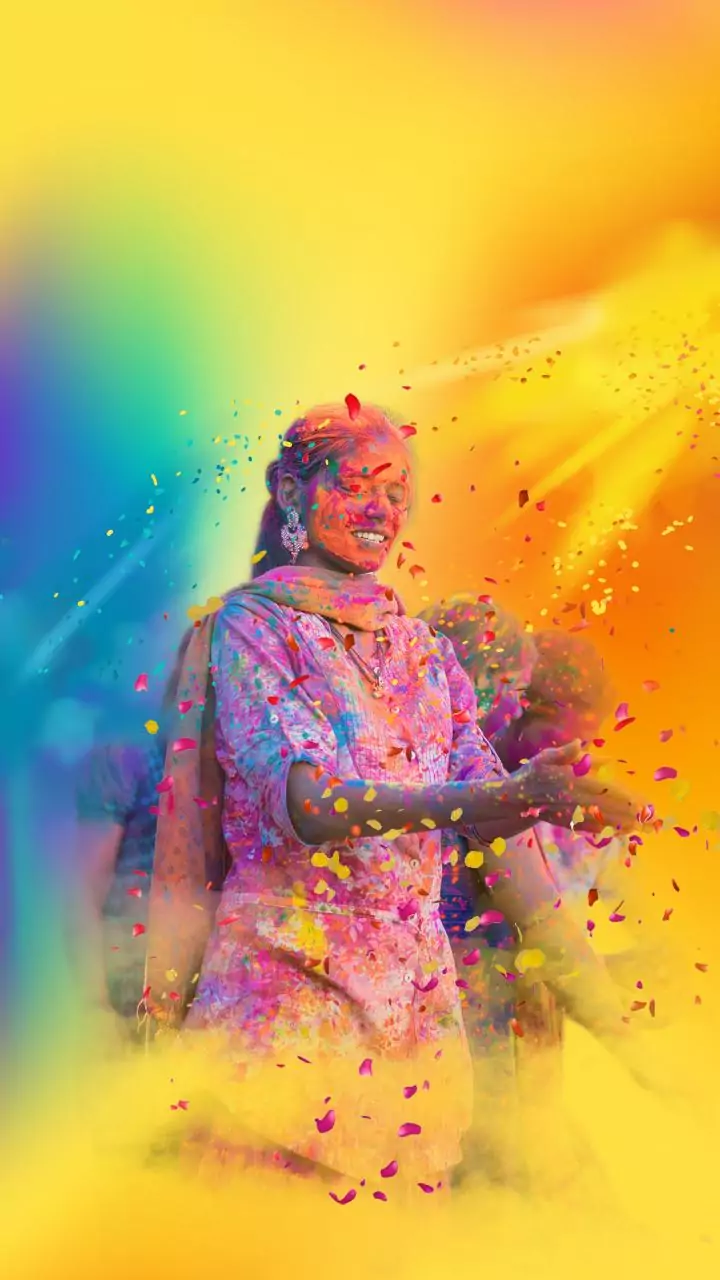
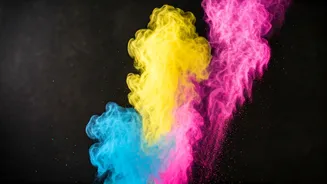
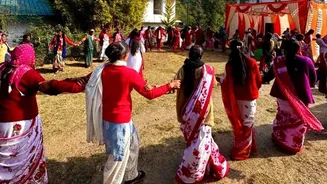
Holi transcends its ancient origins to become a modern festival of immense joy, unity, and revelry. Marked by the playful exchange of vibrant powdered colours (gulal) and water, often using pichkaris, the festival fosters a sense of camaraderie that bridges divides between friends, families, and even strangers. The air fills with music and laughter, and homes are abuzz with the preparation of traditional delicacies. Popular sweets like gujiya, malpua, and the refreshing drink thandai are integral to the festive spread, adding to the sensory delight of the occasion.
Regional Holi Variations
The spirit of Holi manifests in diverse and captivating ways across different regions of India. Barsane and Nandgaon are renowned for their Lathmar Holi, a unique tradition where women playfully wield lathis (sticks) to playfully ward off men, echoing tales of Lord Krishna. Vrindavan, deeply connected to Lord Krishna's life, celebrates Phoolon Wali Holi, where petals replace colours in a fragrant spectacle. In Punjab, the festival is observed as Hola Mohalla, a more martial yet colourful celebration featuring impressive displays of horsemanship and vibrant colour play by both men and women, showcasing the rich tapestry of India's cultural heritage.